
The Federal Government is targeting electricity access of more than 80% within five years and wants to close the gap between Nigeria’s installed and available generation capacity within three years, as it seeks to make unreliable power a less severe constraint on households and businesses.
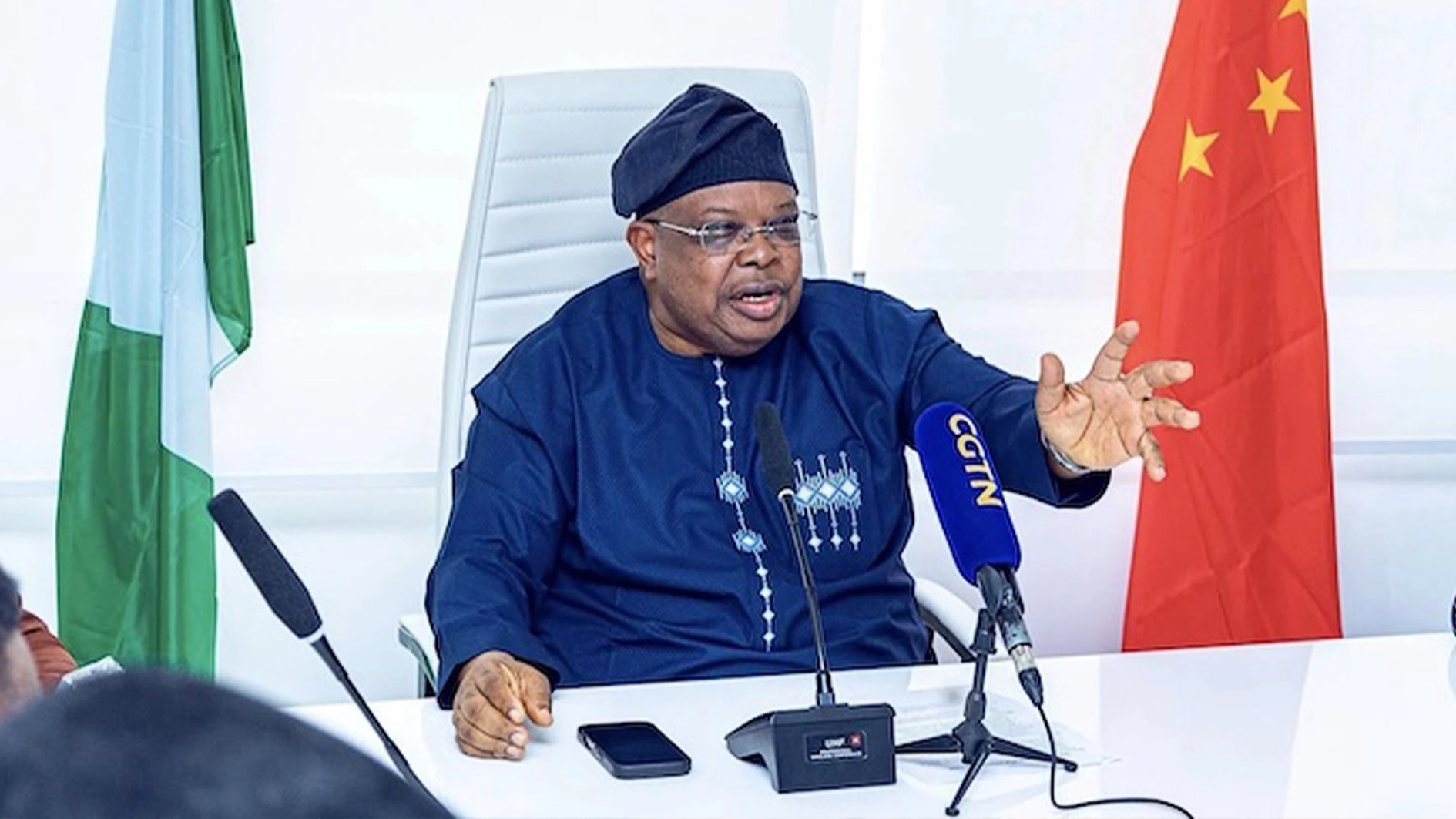
Minister of Power Joseph Tegbe outlined the targets at a recent Nigeria Economic Summit Group event in Lagos, linking electricity-sector reform directly to Nigeria’s industrial competitiveness and its ambition to build a $1 trillion economy.
The plan comes as Nigeria continues to operate far below the theoretical capacity of its grid. Data from the Nigerian Electricity Regulatory Commission (NERC) showed that the country had 13,625 megawatts (MW) of installed grid-connected generation capacity in 2024, but average available capacity was only about 4,854MW. That meant more than 60% of installed capacity was unavailable on average.
Tegbe said the government also intends to reduce Aggregate Technical, Commercial and Collection (ATC&C) losses, electricity lost through technical faults, theft, poor billing and weak revenue collection, to below 17% within three years.
The government plans to strengthen major transmission corridors, including Lagos, Enugu-Port Harcourt and Abuja-Kaduna-Kano, while improving the reliability of electricity delivered to economic centres.
The reforms also include a nationwide metering drive. The Presidential Metering Initiative is targeting more than seven million smart meters over three years, while the Power Force programme has begun training 5,000 Nigerians as meter installers. The government has said the initiative will eventually expand to additional trainees.
Nigeria’s electricity shortfall has forced manufacturers and other businesses to rely heavily on diesel, petrol generators and alternative power systems, increasing operating costs and weakening competitiveness.
The World Bank has previously estimated that unreliable electricity costs Nigeria about $25 billion annually, equivalent to roughly 5–7% of GDP.
NERC’s data also highlight the fragility of the grid. The national system recorded nine collapses in 2024, while average power-plant availability remained well below installed capacity. Ageing equipment, gas-supply constraints and liquidity problems have all contributed to weak generation performance.
The financial burden extends beyond the formal electricity market. Government officials have previously estimated that Nigerians spent about N16.5 trillion on self-generation in 2023, illustrating the enormous resources households and businesses divert to securing electricity outside the grid.
For manufacturers, the proposed reforms could determine whether Nigeria can compete more effectively in regional markets.
The Manufacturers Association of Nigeria has continued to identify inadequate electricity, high borrowing costs, foreign-exchange pressures and multiple taxes among the major challenges confronting producers. Its Q2 2026 confidence index showed that business sentiment improved, but manufacturers continued to face significant operating constraints.
Tegbe’s strategy therefore goes beyond adding megawatts. The government wants stronger transmission infrastructure, better metering, lower distribution losses and a more financially sustainable electricity market.
If delivered on schedule, the reforms could reduce businesses’ dependence on generators, improve industrial productivity and strengthen Nigeria’s ability to compete for investment and customers across the African Continental Free Trade Area.