
The Federal Government has suspended all reviews of broadcast licence fees indefinitely following concerns by industry operators over rising operational expenses and the growing cost of running radio and television stations.
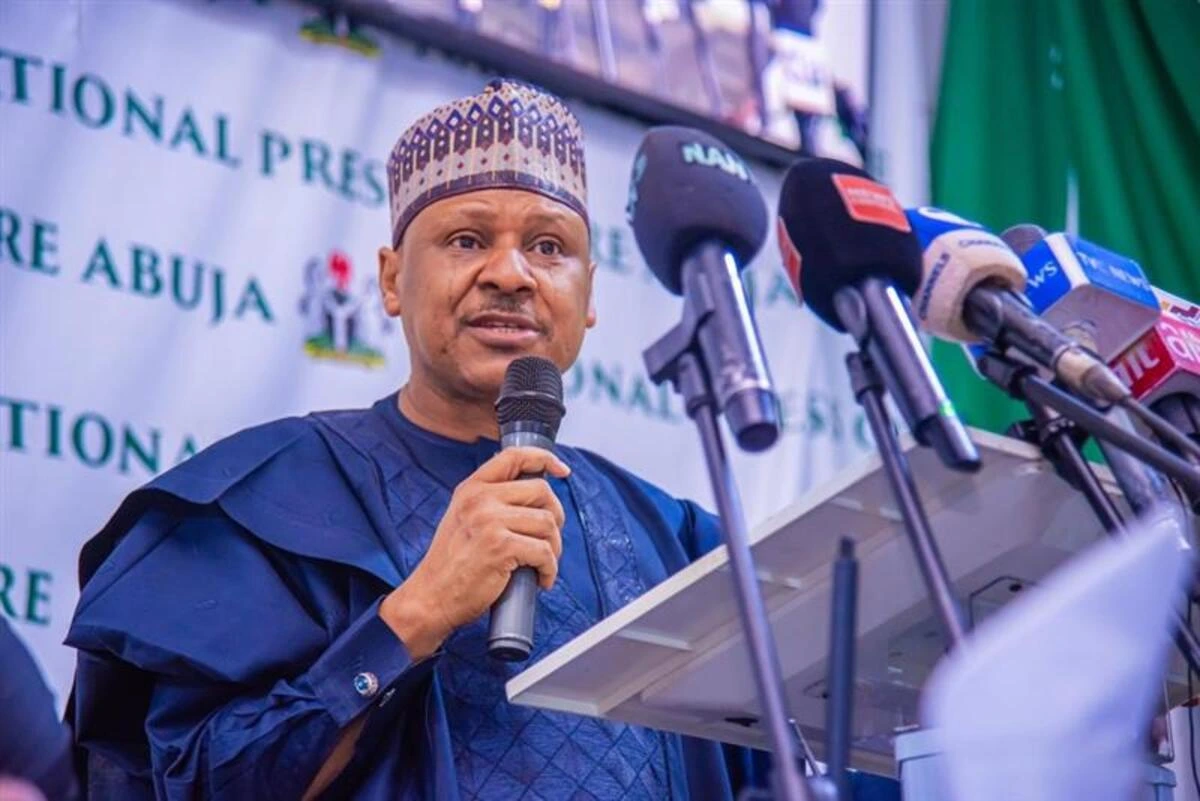
Mohammed Idris, minister of information and national orientation, announced the decision on Monday during a meeting with a delegation of the Broadcasting Organisations of Nigeria (BON), led by its chairman, Senior High Chief Tony Akiotu. The suspension is part of the government’s efforts to ease the financial pressure on broadcasting organisations and create a more favourable operating environment for the industry.
According to a statement issued by Rabiu Ibrahim, special assistant to the minister on media, the BON delegation had raised concerns about the “rising cost of operating broadcast stations.”
Responding to the concerns, Idris directed the National Broadcasting Commission (NBC) to suspend all planned reviews of licence charges until further notice.
“Any increase in licence fees is hereby put on hold. All reviews relating to licences are suspended until further notice. I am directing the NBC to ensure strict compliance while we review the situation,” he stated.
The minister also instructed the director general of the NBC to accelerate the review of the National Broadcasting Code to ensure that its provisions reflect changes in the industry and address emerging challenges affecting broadcasters. On the Digital Switch Over (DSO) programme, Idris promised to organise a meeting with relevant stakeholders to resolve outstanding issues surrounding its implementation.
He also addressed BON’s concerns about delayed payments for advertising services, disclosing that he had directed the Advertising Regulatory Council of Nigeria (ARCON) to enforce the 45 day payment period for advertising transactions. The policy is expected to improve cash flow for broadcasting organisations by ensuring that payments for advertising services are made within the stipulated period.
Idris further assured the delegation that the ministry would engage relevant stakeholders on challenges surrounding access to affordable financing and spectrum allocation. He emphasised the importance of broadcasting in promoting democracy, national unity and access to reliable information, urging operators to maintain professional and ethical standards, particularly as Nigeria approaches the 2027 general elections.
On its part, BON identified several issues affecting the sustainability of broadcast organisations, including licence charges, operational expenses, access to financing, spectrum allocation and the review of the National Broadcasting Code.
The chairman said the organisation preferred dialogue and consultation in resolving disagreements with the regulator.
“BON believes in dialogue, consultation and mediation to prevent a breakdown of industrial harmony in the broadcasting industry,” he added.
The latest intervention comes amid previous disputes between broadcasters and the NBC over licence payments. In 2022, the Federal High Court in Lagos stopped the commission and the administration of former President Muhammadu Buhari from revoking the licences of 53 broadcast stations over alleged outstanding payments.
The affected organisations reportedly owed more than N2.6 billion in licensing fees dating back to 2015. The case followed legal action by the Socio Economic Rights and Accountability Project (SERAP) and the Nigerian Guild of Editors (NGE), which challenged the threatened shutdowns.
The government’s latest decision is expected to provide temporary relief for broadcasters as discussions continue over the industry’s regulatory and financial challenges.