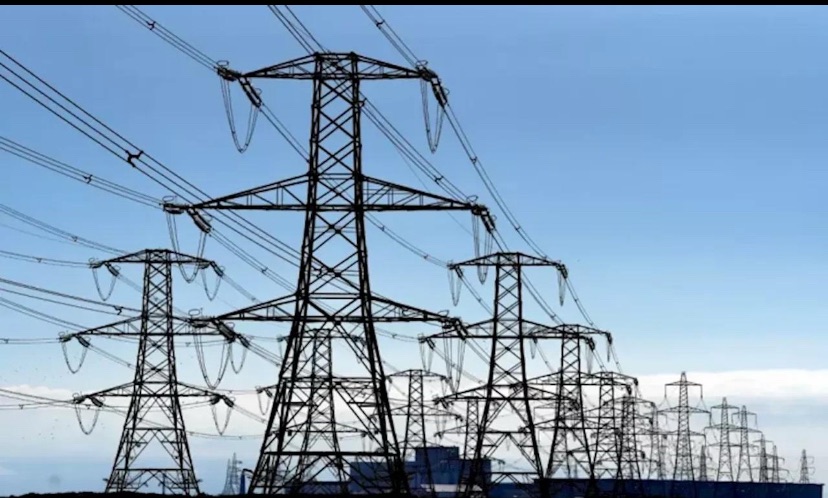

The Federal Government spent N358.32 billion on electricity subsidies during the first quarter of 2026 as it continued to keep electricity tariffs unchanged despite ongoing power shortages and operational challenges in Nigeria’s power sector.
This was disclosed by the Nigerian Electricity Regulatory Commission (NERC) in its First Quarter 2026 report. According to the commission, the subsidy became necessary because the government decided to maintain electricity tariffs at the rates introduced in July 2024 instead of allowing customers to pay cost-reflective tariffs.
The report showed that the government spent N126.48 billion on subsidies in January, N116.34 billion in February, and N115.50 billion in March, bringing the total amount for the three-month period to N358.32 billion. This means the government paid an average of more than N119 billion every month to support electricity costs.
Although the subsidy bill was lower than the N418.79 billion recorded in the last quarter of 2025, NERC explained that the reduction was not because electricity tariffs became cost-reflective. Instead, it resulted from lower electricity purchases by distribution companies (DisCos) during the quarter.
According to the commission, the subsidy dropped by 14.44 percent, representing a reduction of N60.46 billion compared to the previous quarter. However, the Federal Government still covered nearly 52 percent of the total electricity generation cost, leaving it responsible for more than half of the industry’s expenses.
NERC explained that electricity generated during the quarter was valued at N689.72 billion. However, because electricity tariffs remained frozen, the Nigerian Bulk Electricity Trading Plc (NBET) charged the electricity distribution companies only N331.40 billion. The remaining N358.32 billion was paid by the Federal Government as subsidy.
The commission noted that under the current arrangement, subsidies are applied before electricity bills are settled. Distribution companies only pay part of the cost, while the Federal Ministry of Finance covers the remaining balance directly to ensure electricity generation companies receive payment.
NERC also warned that the current subsidy system could become more expensive for the government in the future. It explained that the subsidy obligation remains unpredictable because it depends on the amount of electricity consumed and changes in power generation costs, especially if more electricity is produced from thermal power plants, which are generally more expensive to operate.
The report added that all supplementary electricity tariff orders issued during the first quarter of 2026 maintained the same customer tariffs introduced in July 2024, in line with the Federal Government’s subsidy policy.
Despite the huge amount spent on subsidies, electricity supply across the country declined during the period. Average available generation capacity fell by 17.45 percent, dropping from 5,400.38 megawatts (MW) in the final quarter of 2025 to 4,457.96MW in the first quarter of 2026.
Total electricity generated also decreased by 9.64 percent to 8,883.47 gigawatt-hours (GWh), while average hourly power generation declined by 7.64 percent.
The report further revealed that Nigeria’s national electricity grid experienced two major disturbancesduring the quarter, causing widespread blackouts across several parts of the country.
According to NERC, the first incident was a total grid collapse on January 23, 2026, while the second was a partial collapse on January 27, 2026. Investigations showed that the total collapse was caused by a busbar separation at the Sapele Transmission Station, while the partial collapse resulted from inadequate reactive power needed to maintain grid voltage stability.
The latest report highlights the difficult balance the government faces between protecting consumers from higher electricity costs and ensuring enough investment is available to improve power generation, transmission, and distribution across the country. Many industry stakeholders believe lasting improvements will require reforms that make the electricity market more financially sustainable while delivering more reliable power to Nigerians.