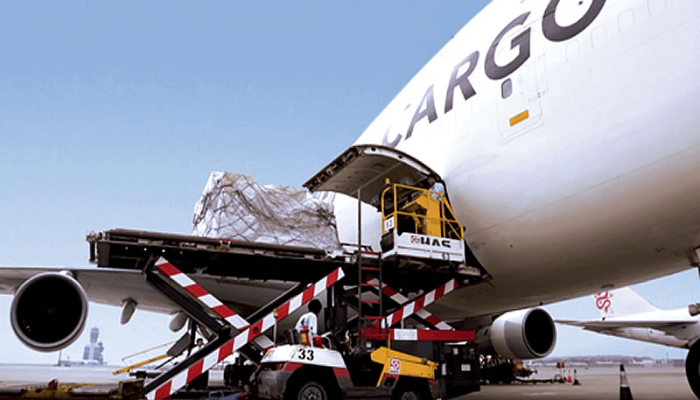

The Federal Airports Authority of Nigeria (FAAN) has announced that it will implement revised cargo tariffs at airports across the country beginning February 2, 2026, marking the end of nearly 20 years without an adjustment to these charges. The new pricing structure, which affects only cargo operations, was originally approved in 2025 but deferred as the authority worked to strengthen internal controls and stem persistent revenue leakages that had undermined its collections.
FAAN officials said raising tariffs before ironing out systemic weaknesses would have yielded little financial benefit because a significant portion of potential revenue was being lost to inefficiency. With reforms now in place, the authority believes it can capture more of the value owed to it under the revised structure.
Under the updated regime, several key cargo-related charges will rise substantially. Port charges will increase from ₦7 to ₦20 per kilogram, while air cargo handling fees will move from ₦5 to ₦15 per kilogram. Fees for transshipments, courier services, and perishable goods are also set to double rising from ₦20 to ₦40 per kilogram. The increases apply across import and export cargo, as well as transshipments and cargo vehicle surcharges. Passenger-related tariffs remain unchanged under the new schedule.
FAAN executives explained that the tariff review reflects how inflation and industry cost pressures have eroded the real value of its cargo fees since 2006. Over the same period, other actors in the logistics chain including customs authorities, ground handlers and agents have increased their charges multiple times, widening the gap between FAAN’s outdated fees and actual operational costs.
Before moving forward with the tariff hike, FAAN consulted with the International Air Transport Association (IATA) and various industry stakeholders, seeking broad input on the adjustment and its potential effects. Officials say these discussions helped shape the final structure, balancing revenue needs with industry dynamics.
The tariff adjustment follows a series of reforms by FAAN’s Cargo Development and Services Directorate aimed at improving revenue assurance rather than simply driving cargo volume growth. A notable change has been the return of FAAN operational staff and revenue desks to cargo warehouses, accompanied by stricter monitoring of unaccompanied luggage moves that have significantly reduced historical leakages.
These operational changes are already showing positive results. According to FAAN, revenue collections at cargo terminals operated by NAHCO and SAHCO in 2025 improved even though overall cargo throughput declined compared with the previous year. The authority said this demonstrates that tighter controls, not higher volumes, are driving better financial performance and validated the decision to delay tariff implementation until systems were solidified.
The new tariff structure is expected to bolster FAAN’s revenue base and support its mandate to maintain runways, aprons, terminals, security systems, lighting, access roads and other infrastructure essential to cargo operations. Nevertheless, some industry stakeholders have expressed concern that higher costs could translate into increased freight charges, potentially affecting trade competitiveness and logistics costs across the economy.