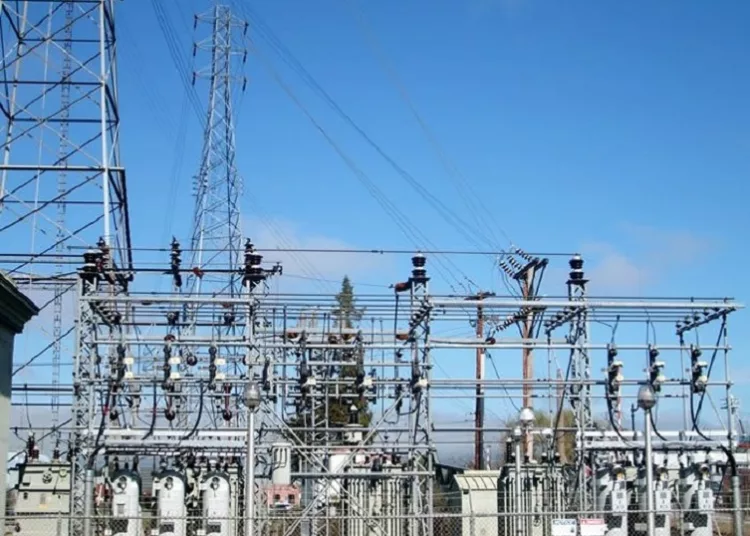

Electricity supply is gradually returning to parts of Lagos after a major disturbance to Nigeria’s national power grid plunged many areas into darkness on Monday. The disruption, caused by a system failure on the national electricity network, led to a sharp drop in power generation and left homes, businesses and public facilities without supply for several hours.
The Nigerian Independent System Operator (NISO), the body responsible for managing the national grid, confirmed that the system experienced a significant disturbance in the early afternoon, around 14:01 local time. At the time, generation on the grid, which had peaked at about 4,800 megawatts, collapsed to a fraction of normal levels, prompting widespread outages across the country.
Following the outage, grid operators began a cautious and phased restoration of power. Initial recovery efforts saw several major power stations bringing generation back online in measured steps to protect the fragile system. Azura contributed more than 400 megawatts, while Delta, Kainji, Okpai and Omotosho plants added varying amounts as engineers worked to stabilise supply.
Distribution companies in Lagos, including those serving residential and commercial areas, reported that electricity was returning gradually. The approach has prioritised a controlled ramp-up in generation to avoid further stress on the network, with authorities stressing that full restoration would take time and coordination across multiple stakeholders.
The grid collapse marks a setback for Nigeria’s power sector, which has been struggling with recurring disturbances and inadequate infrastructure. Frequent outages have been tied to issues such as gas supply constraints, ageing transmission lines and the vulnerability of key pipelines to vandalism. These challenges have made the grid more susceptible to system failures and have left it less resilient in the face of disruptions.
Officials have urged Nigerians to remain patient as restoration continues. They emphasised that the measured approach to bringing generation back up is necessary to ensure the stability of the entire network and to prevent a repeat of large-scale outages. Repair teams and system operators are said to be working around the clock to address technical faults and bring additional plants fully online.
The incident has renewed calls from experts and industry stakeholders for long-term investment in Nigeria’s electricity infrastructure. Many argue that the current reliance on a single national grid, which covers all 36 states, leaves the entire system vulnerable to collapse when a major failure occurs. Proposals include the development of regional and state grids, which could help insulate local systems from nationwide outages and improve overall reliability.
As power returns to many parts of Lagos, ordinary residents and businesses are hoping the restoration continues smoothly. The gradual re-energising of the grid brings relief to those affected, but the broader challenges facing Nigeria’s electricity sector remain a pressing concern for policymakers and consumers alike.