
The Universal Basic Education Commission (UBEC) has revealed that about 8.7 million learners across Nigeria have experienced better learning conditions and access to improved instructional materials as a result of ongoing reforms in the basic education sector.
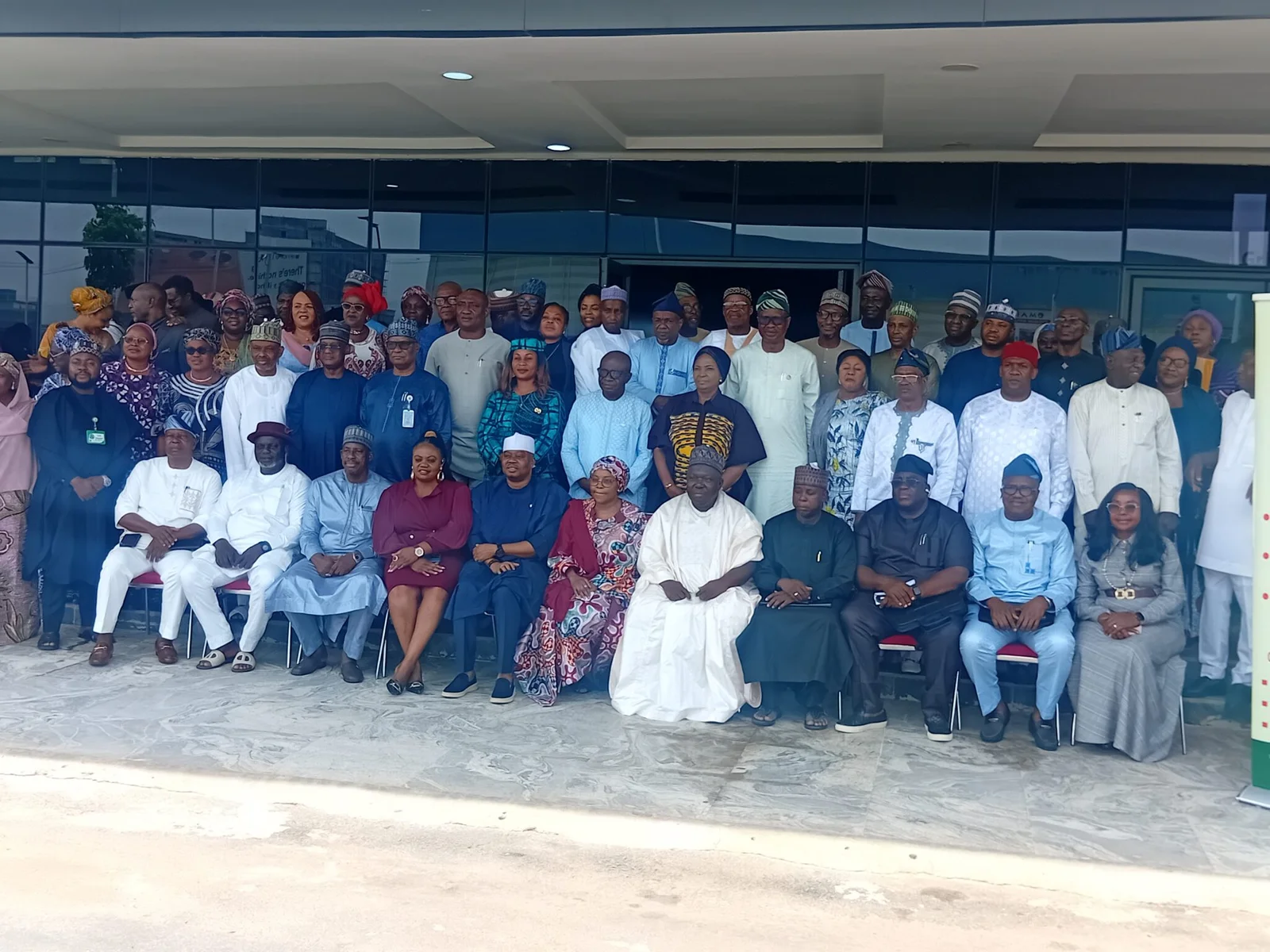
This update was shared by the Executive Secretary of UBEC, Dr Aisha Garba, during the opening of the 29th Quarterly Meeting between UBEC management and Executive Chairmen of State Universal Basic Education Boards (SUBEBs), held on Tuesday in Abuja. The meeting focused on the theme ”Accelerating Basic Education Performance Through Digitally Enabled Coordination”.
Garba explained that these achievements are part of a broader effort under the 2025 to 2031 Strategic Blueprint, which aims to strengthen education delivery across the country. According to her, the reforms are already producing visible results, not only for students but also for teachers.
She disclosed that over 244,000 teachers have received training in inclusive teaching methods and digital skills. This, she noted, is helping to improve classroom instruction and overall learning outcomes.
“Over the past year, we have entered a decisive phase in the evolution of the Universal Basic Education (UBE) programme.
“Throughout 2025, our focus shifted from diagnosing systemic challenges to implementing coordinated, large-scale reforms under the 2025-2031 Strategic Blueprint.
“This transition reflects our renewed role, not only as a funding institution but also as a systems enabler, driving alignment, strengthening delivery, and ensuring that impact is felt across all states.
“The results of this collective effort are already evident. Over 8.7 million learners have benefited from improved learning conditions and instructional materials, while more than 244,000 teachers have been equipped with skills in inclusive pedagogy and digital literacy.”
Garba also highlighted financial progress made by the commission. She said consistent, data driven advocacy efforts helped unlock more than N100 billion in previously unused matching grants. Currently, 30 states and the Federal Capital Territory are accessing these funds to support basic education.
She added that new Matching Grants Guidelines have been completed to improve transparency, efficiency and better use of education funds. In addition, procurement processes have improved significantly, with a 95 percent completion rate recorded for projects in 2024. This has ensured that educational interventions are delivered on time across the country.
Digital transformation remains a key focus of UBEC’s reform strategy. Garba explained that the Digitalisation of Public Schools Initiative, carried out in partnership with the Federal Ministry of Education, is helping to expand access to digital learning tools. The initiative also supports teachers by improving their digital skills and introducing more interactive teaching methods in classrooms.
She encouraged SUBEB chairmen to fully adopt digital systems in planning, monitoring and implementation. According to her, doing so will strengthen accountability and lead to better educational outcomes.
Also speaking at the meeting, the Chairman of Kwara SUBEB, Shehu Adaramaja, stressed the importance of using digital tools to improve coordination within the education sector. He noted that such tools are now essential for effective collaboration between the UBE programme and state education boards.
Adaramaja warned that poor communication and delays often weaken even well planned policies, adding that proper coordination is key to achieving educational goals.
In his remarks, UNICEF Education Manager, Jutaro Sakamoto, emphasised the need for continuous training and retraining of teachers to ensure high performance. He also reaffirmed UNICEF’s commitment to supporting Nigeria’s basic education sector.