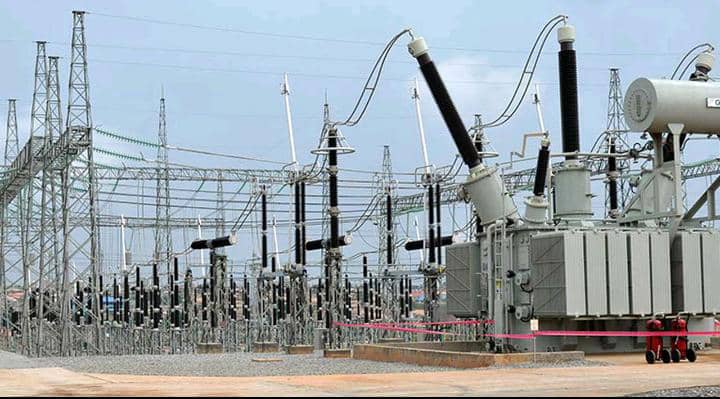

Nigeria’s electricity distribution companies (DisCos) are increasingly being seen as a major obstacle to the nation’s plans for new power-grid investments. According to reports, the heavy debt burden carried by these firms is cutting off critical funding, preventing any meaningful improvements in the electricity network.
Many of DisCos are technically insolvent, as acknowledged by the Nigerian Electricity Regulatory Commission (NERC). Their weak finances make it difficult to raise capital for expanding and upgrading infrastructure, limiting their ability to support grid-enhancing projects.
The amount owed by DisCos is staggering. Eleven of them are reportedly in the dock before Nigeria’s House of Representatives over a collective debt of ₦2.6 trillion to the federation account. Meanwhile, the Transmission Company of Nigeria (TCN) has declared that it is owed ₦457 billion by various power-sector operators, limiting its capacity to invest in critical transmission and wheeling infrastructure.
The ripple effects extend beyond distribution. The Niger Delta Power Holding Company (NDPHC), for instance, says that nearly ₦600 billion in debt is choking its operations, preventing the utilization of up to 2,000 MW of generation capacity. On top of that, the generation companies (GenCos) are themselves owed, with legacy debts estimated at ₦2.7 trillion, which is blamed for hampering efforts to hit ambitious output targets.
Even worse, electricity users owe DisCos over ₦385 billion in unpaid bills, according to NERC data. This payment shortfall undermines distribution firms’ working capital and weakens the entire value chain.
The federal government has attempted to help. It recently earmarked ₦15 billion to cover legacy debts from its own agencies to DisCos. But experts warn this is merely a drop in a deep financial crater. Without structural reforms including improved billing, stricter accountability, and better remittance discipline, the sector’s debt crisis could deepen, further blocking private and international investors from backing grid expansion.
The DisCos’ crippling debt is not just a power sector issue; it’s a drag on Nigeria’s broader economy. The inability to expand the grid limits industrial growth, forces businesses to rely on costly generators, and undermines investor confidence, ultimately depressing productivity and reducing foreign direct investment.