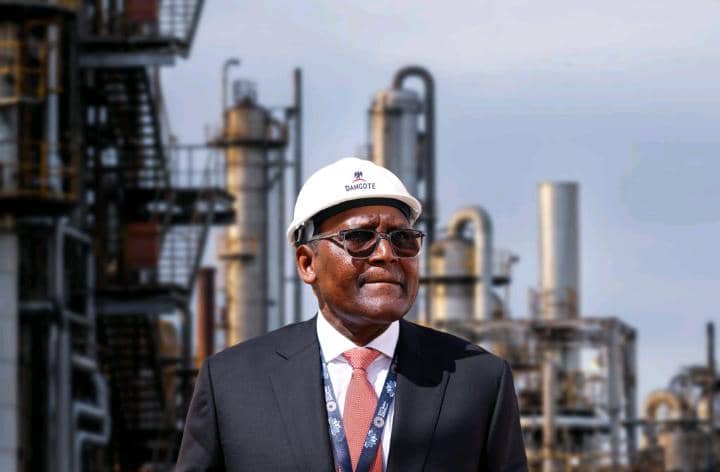

Nigeria’s Dangote Petroleum Refinery is poised for a bold expansion, raising its capacity from 650,000 to 1.4 million barrels per day. Once the upgrade is complete, it will surpass India’s Jamnagar complex to become the largest single-train refinery globally.
Aliko Dangote says the move is driven by surging regional demand for cleaner fuels, Nigeria’s evolving policy climate favoring local refining, and a vision of energy independence for Africa. “This expansion reflects our confidence in Nigeria’s future, our belief in Africa’s potential, and our commitment to building energy independence for our continent,” he remarked.
To finance the growth, Dangote plans to use existing cash flows, list part of the refinery on the Nigerian Exchange, and attract strategic investors. He expects the facility’s revenue to exceed USD 55 billion annually once it reaches full scale.
The expansion also includes ramping up petrochemical production: polypropylene output is set to increase from 900,000 to 2.4 million metric tonnes per year. Other enhancements include shifting to Euro VI fuel standards and boosting internal power generation capacity to reach operational self-sufficiency.
Dangote estimates the project will generate around 65,000 jobs during construction. Local content is central. Over 85 % of the workforce will be Nigerian, with skills development and technology transfer embedded in the plan.
Economically, the upgrade is more than a capacity boost. It is aimed at cutting Nigeria’s heavy reliance on importing refined products, preserving foreign exchange, and strengthening energy security. Dangote also sees this move aligning with the federal government’s industrialization goals and energy reform agenda.
“This expansion… is about confidence in people and leadership in our country. More than 85% of our workforce will be Nigerians, with continuous investment in skills development and technology transfer.”
By reducing Nigeria’s dependence on fuel imports, the expansion could save billions in foreign exchange, ease pressure on the naira, encourage domestic manufacturing and attract foreign capital. Listing the refinery locally also opens new investment opportunities, broadening equity participation in Nigeria’s energy future.