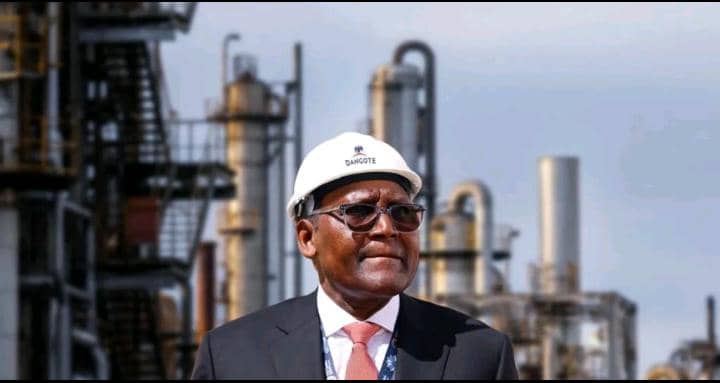

Dangote Group is launching an ambitious effort to reshape Nigeria’s sugar industry by pledging more than $700 million to expand its sugar operations. This investment targets land development, new machinery, strengthened infrastructure, training programs, and community engagement to build a fully integrated sugar supply chain. The goal: dramatically reduce, and potentially eliminate, Nigeria’s dependence on imported raw sugar.
At a recent Lagos International Trade Fair, Ravindra Singhvi, CEO of Dangote Sugar Refinery, explained that the expansion is part of the company’s backward-integration strategy. The refinery will roll out sugar in more accessible packaging sizes, including 100 g, 250 g, 500 g, and 1 kg, making it easier for ordinary households and small businesses to buy.
Fatima Aliko-Dangote, the group’s Executive Director for Commercial Operations, emphasized that the expansion isn’t just about sugar; it’s about strengthening Nigeria’s industrial base. By investing locally, the company plans to keep more of the value chain in Nigeria, generate jobs, and support smaller manufacturers.
Currently, Dangote Sugar Refinery is the country’s largest sugar producer, with a capacity of about 1.44 million metric tonnes. In its latest financial update, the company reported that in the first nine months of 2025, revenue climbed to ₦626.24 billion, up from ₦484.42 billion a year earlier while losses shrank sharply from ₦184.4 billion to just ₦10.59 billion.
Dangote’s expansion could significantly bolster Nigeria’s economy by saving foreign exchange previously spent on sugar imports. The backward-integration push may also create thousands of jobs, boost rural development, and support broader industrialization, aligning with national goals to grow manufacturing and reduce reliance on imported commodities.