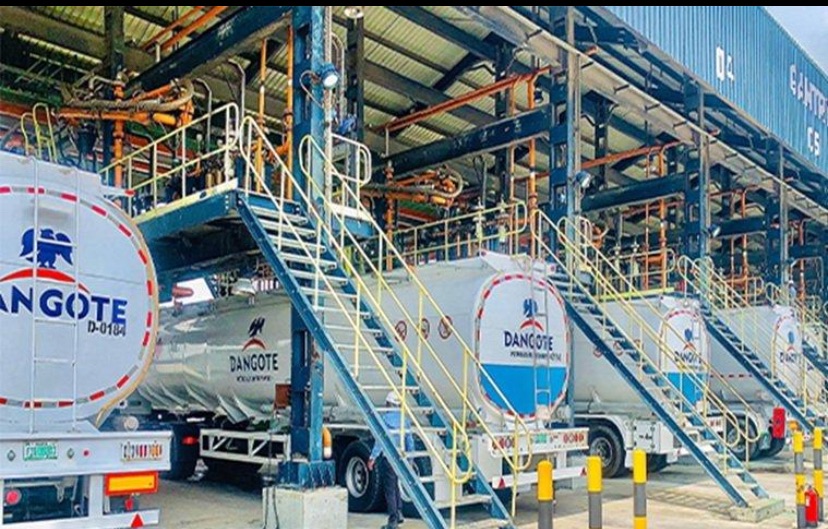

Nigeria’s fuel market is set for some relief after the Dangote Petroleum Refinery announced a fresh reduction in the prices of petrol and diesel following a sharp decline in global crude oil prices.
The refinery lowered its ex-depot price of Premium Motor Spirit (PMS), also known as petrol, from N1,215 to N1,165 per litre, reducing the cost by N50 per litre. Diesel also became cheaper, with its ex-depot price falling from N1,650 to N1,570 per litre, representing an N80 reduction.
The latest price adjustment comes after international crude oil prices dropped significantly. Brent crude, the global oil benchmark, fell below $80 per barrel after reaching nearly $100 per barrel just days earlier.
The decline in oil prices was driven by renewed optimism over diplomatic talks involving the United States and Iran. Reports suggest that both countries are making progress toward an agreement that could allow commercial ships to safely pass through the Strait of Hormuz, one of the world’s most important oil shipping routes.
Improved confidence in the region has eased fears of supply disruptions, leading to lower crude oil prices across the global market.
In a statement, Dangote Petroleum Refinery explained that the new pricing is part of its ongoing effort to make fuel more affordable for Nigerians while supporting businesses that depend on petroleum products.
The company said cheaper fuel would help reduce operating costs for transporters, manufacturers, and other businesses, while also making energy more accessible to consumers.
According to the refinery, the reduction reflects its commitment to supplying high-quality petroleum products at competitive prices while ensuring a stable fuel supply across the country.
Dangote also stated that it will continue to transfer the benefits of improved production efficiency to customers whenever market conditions make it possible.
As Africa’s largest refinery, the company noted that it remains focused on strengthening Nigeria’s energy security by reducing the country’s dependence on imported fuel and increasing local refining capacity.
Industry analysts believe the reduction could influence pump prices across filling stations. With the new ex-depot rate, petrol is expected to sell for between N1,200 and N1,250 per litre, although the final retail price will depend on transportation costs, location, and marketers’ pricing decisions.
Meanwhile, developments in the Middle East continue to attract global attention. Iranian officials confirmed that Iran and Oman have made progress in discussions over a proposed safe shipping route through the Strait of Hormuz.
According to Iranian Foreign Ministry spokesperson Esmaeil Baghaei, the negotiations have covered technical, legal, environmental, and security issues, with both countries reportedly reaching agreement on key geographical coordinates.
Officials added that a joint statement outlining the agreement is in its final drafting stage, provided no external obstacles delay the process.
For Nigeria, where fuel prices are closely linked to international crude oil movements, the recent fall in oil prices and Dangote Refinery’s quick response may provide some relief for businesses and households facing high transportation and energy costs. If global oil prices remain stable, industry observers expect further improvements in fuel pricing and market stability.