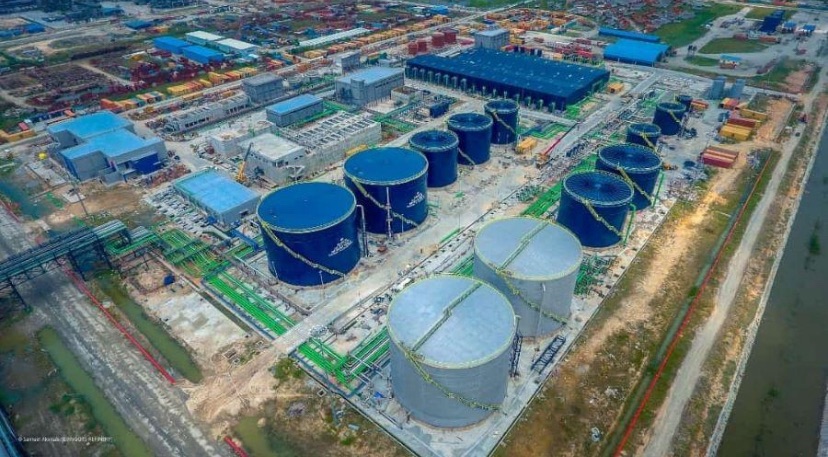

The Dangote Petroleum Refinery and Petrochemicals has raised concerns over the way crude oil is being supplied to domestic refineries, saying the involvement of third-party sellers is making Nigerian crude more expensive and less attractive to local refiners.
The refinery made the clarification following reports suggesting that it rejected about 15.5 million barrels of crude oil offered by domestic producers during the second quarter of 2026.
The company said the figures did not fully reflect the difficulties it faces in obtaining crude directly from Nigerian producers under the Domestic Crude Supply Obligation framework.
Group Vice President, Oil & Gas and Fertiliser at Dangote Industries Limited, Devakumar Edwin, said the refinery remained committed to buying Nigerian crude. However, he stressed that the crude must be available in sufficient quantities and at prices that make commercial sense.
According to Edwin, the refinery has experienced significant challenges securing crude directly from domestic producers since the implementation of the DCSO arrangement.
He explained that a sizeable portion of the crude allocated to the refinery has instead had to pass through International Oil Companies and other intermediaries.
The refinery said this arrangement creates additional expenses because intermediaries can add premiums and transaction costs to the price of crude.
As a result, Nigerian crude can become more expensive than competing supplies available on the international market.
Edwin said the issue was therefore not simply about how much crude was listed as being offered to the refinery. The more important question, he explained, was how much crude was actually available for purchase at a competitive price.
The refinery said it was prepared to buy Nigerian crude whenever sufficient volumes were available under commercially viable conditions.
For Dangote, securing affordable crude is important because the cost of crude directly affects the economics of refining. When the raw material becomes more expensive, the cost of producing petrol, diesel and other petroleum products can also increase.
Edwin warned that additional costs created by intermediaries could eventually affect consumers through higher prices for refined products.
The development comes against the backdrop of increased crude deliveries to Nigeria’s domestic refineries.
Fresh data from the Nigerian Upstream Petroleum Regulatory Commission showed that local refineries received about 53.7 million barrels of crude during the second quarter of 2026.
The increase indicates that domestic crude supply has improved, although the Dangote refinery maintains that the method and pricing of supply remain major concerns.
The refinery has previously raised allegations that some International Oil Companies and government agencies were making it difficult for the facility to obtain crude directly.
The latest statement, however, focuses on the commercial impact of the supply chain rather than simply the quantity of crude available.
The Dangote refinery argues that domestic refining can only remain competitive if crude is supplied efficiently and at market-related prices.
The issue is particularly important for Nigeria because the country has invested heavily in expanding domestic refining capacity in an effort to reduce dependence on imported petroleum products.
A steady and affordable supply of locally produced crude would allow refineries to operate more efficiently, potentially reduce import dependence and support the availability of petroleum products within the country.
The dispute also highlights the importance of making the Domestic Crude Supply Obligation system work effectively.
For Nigeria to benefit fully from its growing refining capacity, producers, regulators and refiners will need to resolve disagreements over crude availability, pricing and supply channels.
As domestic refining expands, the cost of crude will remain a critical factor in determining whether Nigerian refineries can produce petroleum products competitively and pass the benefits of local refining to consumers.