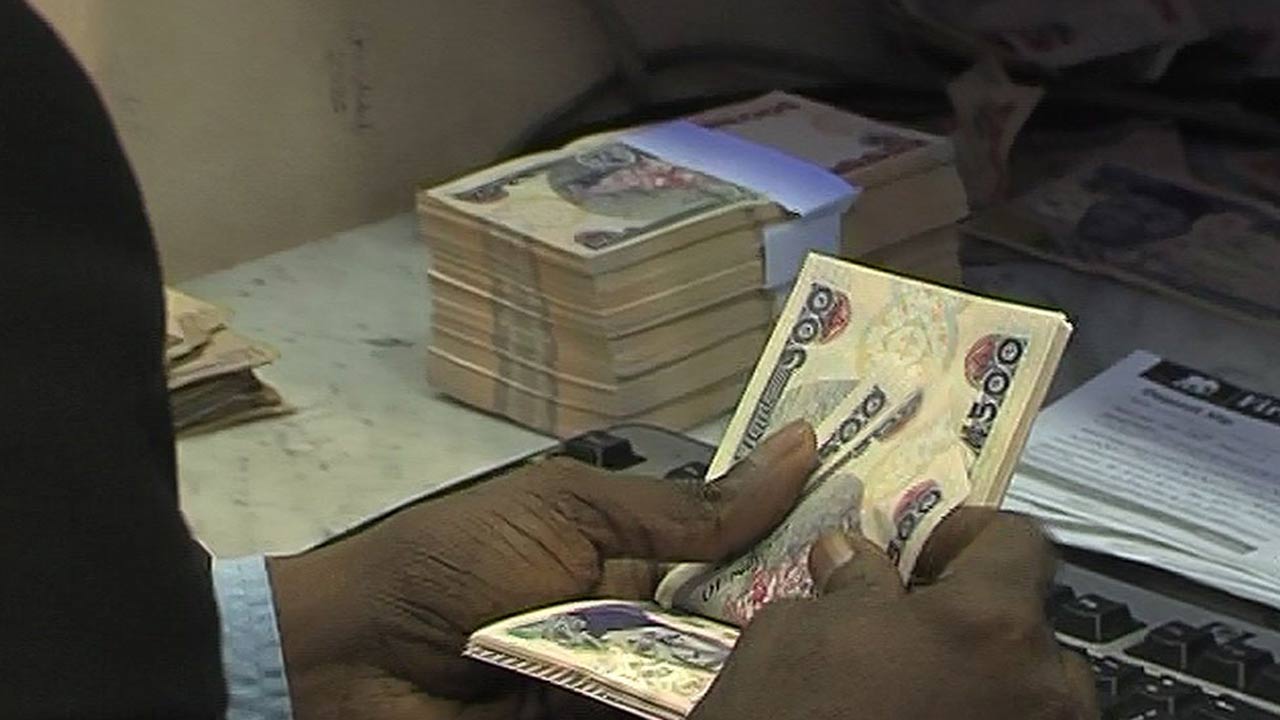

When retail investor Grace transferred ₦5,250 into a bank or approved investment platform to subscribe for Dangote Refinery shares, the money left her account immediately. But if she is not allotted all the shares she applied for, she may have to wait until the allotment process is completed before receiving any unused portion back.
That creates a question that has received little attention in the early coverage of Nigeria’s biggest public share offer, what happens to investors’ subscription money while they wait for allotment, and who earns any interest on the funds during that period?
The Dangote Petroleum Refinery and Petrochemicals FZE offer opened on Monday, September 14, 2026, and is scheduled to close on Tuesday, October 13, 2026. The company is offering 4.1 billion shares at ₦525 each, targeting ₦2.1525 trillion. The minimum subscription is 10 shares, or ₦5,250.
The scale of the early rush has made the question more significant. Reuters reported on Thursday, September 17, 2026, that several digital investment platforms experienced outages as investors rushed to subscribe. Bamboo said traffic on its platform increased tenfold within 30 minutes of the offer opening, while Cowrywise and InvestNaija also experienced difficulties. Reuters said neither Dangote nor the underwriters had released an official figure for total demand at the time of its report.
For investors, however, the money is not simply returned whenever an application is reduced. Moniepoint’s published FAQ for the offer states that a completed subscription cannot be manually cancelled before the offer process is completed. It says that where an investor is not fully allotted, unallotted funds will be refunded within five business days after the allotment outcome is finalised.
The same guidance separates refunds from the process of receiving the shares. It says successful investors’ shares will be credited to their Central Securities Clearing System (CSCS) accounts within 15 business days after the Securities and Exchange Commission clears the basis of allotment.
That distinction matters because the ₦5,250 paid by a small investor today is not necessarily money that will be immediately used to acquire shares. If an investor applies for 100 shares, for example, ₦52,500 is committed to the application. If the final allotment is lower, part of that money remains refundable after the allotment process.
The offer rules also allow Dangote Refinery to absorb up to 30% more shares than originally offered, subject to SEC approval, according to Moniepoint’s investor guidance. The Guardian reported on September 15, 2026, that the market rule permits an issuer to take up to 25% above the offer size, with additional absorption requiring SEC approval. The difference in the descriptions reinforces why the final prospectus and regulatory documents, rather than early media reports, should determine the treatment of excess demand.
What remains less clear from the public-facing investor guidance reviewed for this report is the treatment of interest or other earnings that may arise on subscription funds before allotment and refund.
The published guidance explains when unused money should be returned, but does not, in the material reviewed, state that investors will receive interest on those funds or identify any party as entitled to interest earned during the holding period.
That does not establish that receiving banks or other intermediaries are earning interest from the funds. It simply leaves an important question unanswered as millions of naira, potentially running into much larger sums as subscriptions accumulate, move through the offer infrastructure.
For investors like Grace, the practical issue is straightforward, money leaves their accounts when they subscribe, but the final amount actually used to buy shares is determined only after allotment.
As the ₦2.15 trillion Dangote IPO continues until October 13, 2026, the capital-market question is no longer only how much Nigerians are willing to put into the offer. It is also what happens to their money between payment, allotment and refund.