
Civil society organisations have praised the leadership of the Nigeria Customs Service following the agency’s reported achievement of more than ₦7tn in revenue generation, describing the milestone as evidence of stronger institutional reforms and improved operational efficiency.
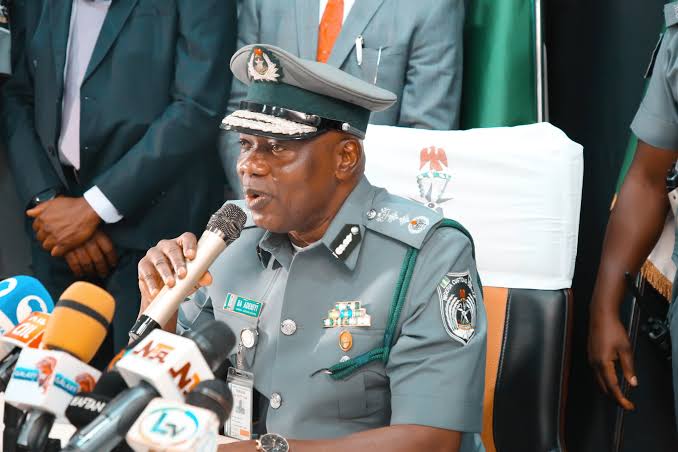
The commendation was directed at the Comptroller-General of Customs, Bashir Adewale Adeniyi, whose administration has intensified revenue collection efforts while pursuing trade facilitation and anti-smuggling operations across Nigeria’s borders.
The groups said the record-breaking performance reflects the growing effectiveness of customs modernisation initiatives, including the deployment of digital systems, tighter border surveillance, and enhanced compliance mechanisms aimed at reducing leakages in import duty collection.
Analysts say the revenue surge comes at a critical time for Africa’s largest economy, as the federal government seeks to strengthen non-oil revenue sources amid persistent fiscal pressures, exchange-rate volatility, and elevated debt servicing costs. Customs duties and import-related taxes remain a major component of Nigeria’s internally generated revenue.
According to the CSOs, the Customs leadership has also improved transparency and accountability within the agency, helping to rebuild confidence among stakeholders in the trade and logistics ecosystem. They noted that faster cargo clearance procedures and increased stakeholder engagement have contributed to higher compliance levels among importers and freight operators.
The organisations further urged the agency to sustain the reform momentum by deepening automation across ports and border commands, while maintaining strict enforcement against smuggling networks and revenue evasion.
Economic experts say the Customs Service’s performance could provide a modest boost to government finances if sustained through the fiscal year. Nigeria continues to grapple with weak oil production levels and fluctuating global crude prices, increasing pressure on authorities to diversify revenue generation beyond petroleum exports.
Industry observers also noted that improved customs collections often indicate rising trade activity and stronger enforcement of import regulations. However, they cautioned that authorities must strike a balance between aggressive revenue targets and the need to support legitimate businesses already facing high operating costs and inflationary pressures.
Under Adeniyi’s leadership, the agency has pursued reforms designed to align Nigeria’s customs operations with international best practices, including the adoption of technology-driven clearance systems and intelligence-led enforcement strategies.
The CSOs said the ₦7tn milestone demonstrates the potential of institutional reform within public agencies when supported by accountability, policy consistency, and operational discipline. They added that sustaining the achievement would require continued collaboration between customs authorities, port operators, manufacturers, and the broader private sector.