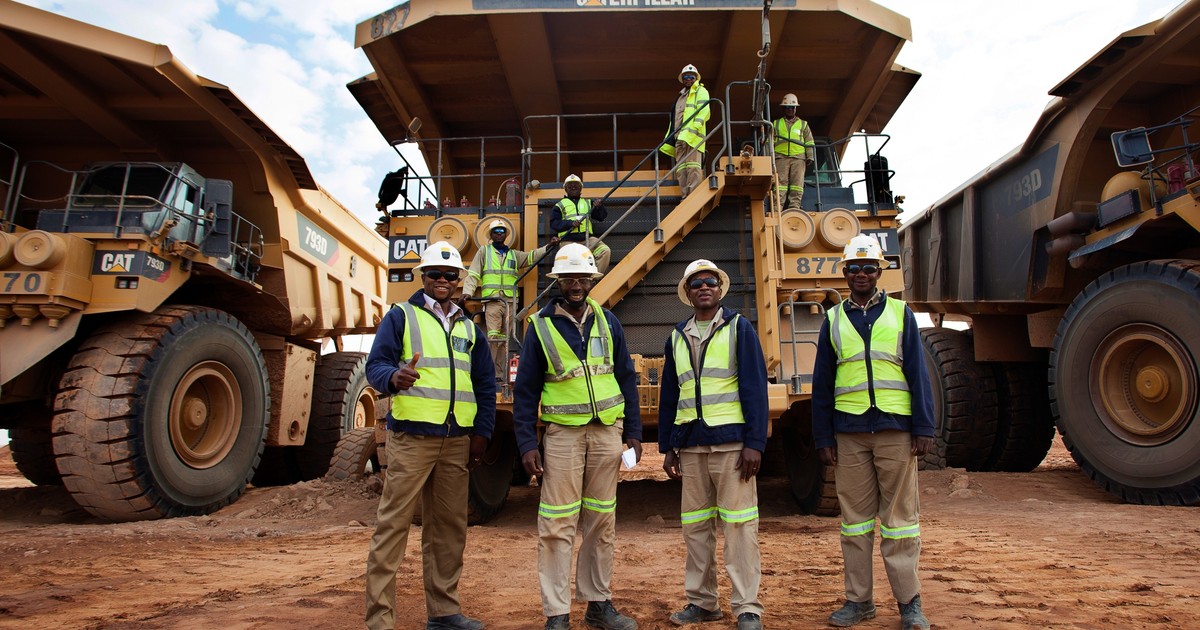

Côte d’Ivoire has emerged as West Africa’s most attractive mining jurisdiction in the Fraser Institute’s 2025 survey, reflecting sustained government efforts to strengthen investment policies, increase mineral production, and promote responsible resource development. The improved ranking positions the world’s top cocoa producer to capture a greater share of global exploration investment and diversify its economy beyond agriculture.
The country scored 60.92 points out of 100 in the survey, up significantly from 55.70 in 2023, placing it first in West Africa, fifth in Africa, and 47th globally. Côte d’Ivoire moved ahead of regional peers including Ghana, Guinea, Mali, and Burkina Faso, demonstrating the effectiveness of its mining sector reforms and investment promotion strategies.
Across Africa, Côte d’Ivoire trails only Botswana, Morocco, Zambia, and Tanzania, all established mining destinations with long histories of mineral production. Nevada remains the top mining jurisdiction globally, according to the survey, which assesses how mineral potential and government policies, including taxation and regulation, affect mining investment.
The improved ranking reflects deliberate policy choices by the Ivorian government. In recent years, authorities have revised the mining code to provide greater certainty for investors, streamlined permitting processes, and invested in geological data that reduces exploration risk. The government has also worked to address concerns about community relations and environmental standards, recognizing that sustainable development requires social license as well as regulatory compliance.
For Côte d’Ivoire’s economy, the improved ranking carries significant implications. Mining investment brings capital, technology, and expertise that can develop new mines, expand existing operations, and generate employment. Exploration spending, which responds directly to jurisdiction attractiveness, creates the pipeline of future projects that sustain long-term production. Each percentage point increase in investment attractiveness translates into real economic activity.
The mining sector also offers diversification benefits for an economy heavily dependent on cocoa. While cocoa remains the dominant export and source of rural livelihoods, mining provides higher-value employment, generates substantial tax revenue, and creates linkages with other sectors through local procurement and service provision. Gold production has already emerged as a significant contributor to exports and government revenue.
The ranking relative to regional peers is particularly significant. Ghana, long considered West Africa’s premier mining destination, now trails Côte d’Ivoire, suggesting that policy choices matter as much as resource endowments in attracting investment. Guinea, with its vast bauxite reserves, and Mali, a major gold producer, also rank below Côte d’Ivoire, reinforcing the message that a favourable investment climate can overcome other disadvantages.
For investors considering West African opportunities, the Fraser Institute survey provides a systematic assessment of jurisdiction risk. Companies allocate exploration budgets based on such assessments, and improved rankings translate into increased attention from global mining companies. Côte d’Ivoire’s rise positions it to capture a larger share of the exploration spending that will shape future production.
The challenge for Ivorian policymakers is to sustain and build on this progress. Maintaining an attractive investment climate requires consistent policy implementation, effective regulation, and responsive governance. It also requires managing the social and environmental impacts of mining in ways that maintain community support and avoid the conflicts that have plagued other African mining jurisdictions.
If Côte d’Ivoire can maintain its trajectory, the mining sector could become an increasingly important pillar of economic development, complementing agriculture and services in a diversified economy. The Fraser Institute ranking suggests that the foundation for such growth is being laid.