
Côte d’Ivoire is pushing a major shift in its energy strategy, focusing on using natural gas locally to drive electricity generation and industrial growth. Speaking at the World Bank Spring Meetings in Washington, Energy Minister Mamadou Sangafowa-Coulibaly said the country aims to make gas central to energy security and economic transformation, highlighting a long-standing imbalance across Africa where abundant oil and gas resources coexist with persistent energy shortages.
Despite holding vast reserves, much of Africa’s oil and gas is exported in raw form, only to be reimported as refined products at higher costs. At the same time, energy demand is rising due to population growth, urbanisation, and power-hungry technologies like data centres. In response, Côte d’Ivoire is prioritising domestic gas use, particularly for electricity production, as part of a broader effort to reduce dependence on imports and strengthen its industrial base.
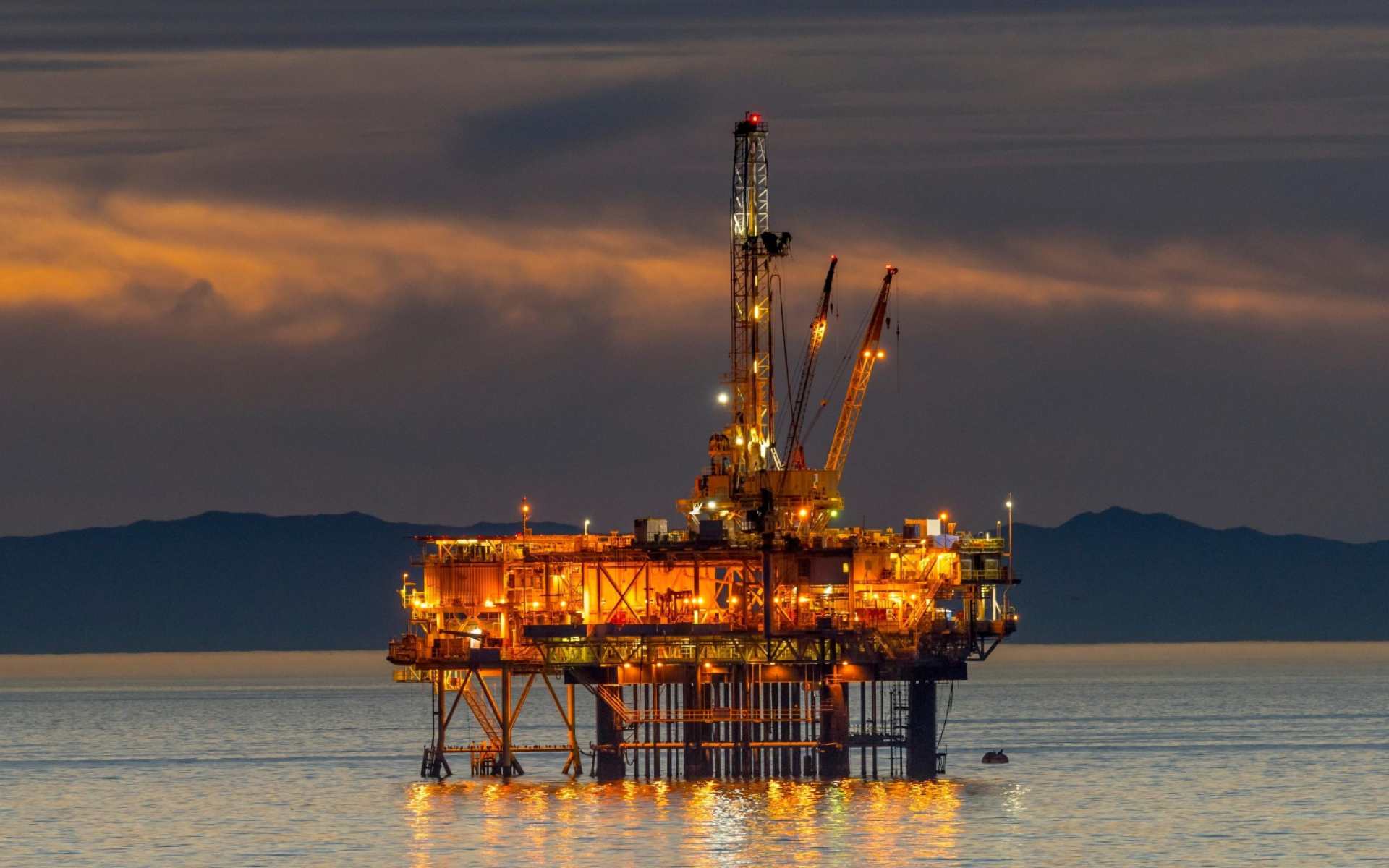
From an economic perspective, the shift from raw commodity export to local value addition is a strategic industrial policy move. Gas-fired power plants provide reliable baseload electricity that can support manufacturing, processing, and digital infrastructure. Reliable power also lowers production costs for businesses, making Ivorian exports more competitive. The country has already attracted investment in its oil and gas sector, with offshore discoveries boosting reserves. By channelling a portion of that gas into domestic power generation, Côte d’Ivoire can reduce its reliance on expensive thermal power and improve grid stability.
The strategy aligns with broader continental efforts under the African Union’s Agenda 2063 to industrialise using local resources. However, success depends on investment in gas processing and pipeline infrastructure, as well as power generation plants. The government’s ability to attract private capital into these projects will determine whether the vision translates into reliable electricity for businesses and households. For now, Côte d’Ivoire’s pivot toward domestic gas utilisation offers a model for other resource-rich African countries seeking to break the cycle of exporting raw materials and importing finished energy.