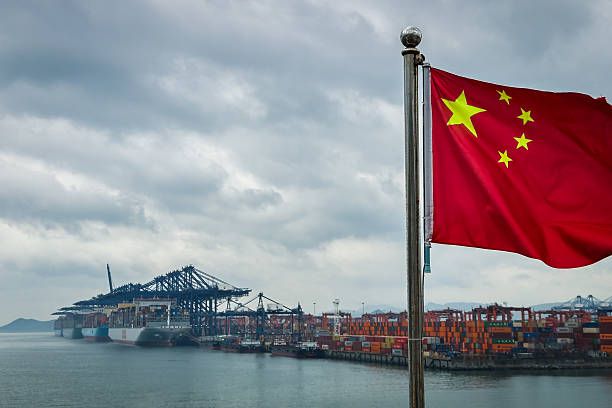

China has officially begun implementing a major trade policy that removes tariffs on imports from Nigeria and 52 other African countries. The move, which takes effect from May 1, 2026, is expected to reshape trade relations between China and the African continent by making it easier and cheaper for African goods to enter the Chinese market. The new policy applies to all African countries that maintain diplomatic ties with China, covering a total of 53 nations. It expands on an earlier arrangement that had already granted zero tariffs to 33 least-developed African countries. Now, the benefit has been extended to include larger economies such as Nigeria, Kenya, Egypt, and South Africa, creating a more inclusive trade framework. Under this initiative, tariffs on a wide range of goods exported from Africa to China have been reduced to zero.
This means African exporters can now sell products like cocoa, coffee, agricultural produce, minerals, and manufactured goods in China without paying import duties. Previously, these goods were subject to tariffs that could range between 8 percent and 30 percent, which often made them less competitive in the Chinese market.
The policy is expected to create new opportunities for African businesses by improving access to one of the world’s largest consumer markets. By lowering trade barriers, China aims to boost imports from Africa, encourage industrial growth, and support job creation across the continent. Analysts say this could significantly increase export volumes for countries like Nigeria, especially in sectors such as agriculture and solid minerals. In addition to removing tariffs, China is also introducing supportive measures to make trade smoother. These include faster customs clearance processes, improved inspection procedures, and the expansion of special “green channels” designed to speed up the movement of African goods into Chinese markets.
The initiative is part of China’s broader effort to deepen economic ties with Africa under existing cooperation frameworks. It reflects a long-term strategy to strengthen partnerships, promote mutual development, and increase trade flows between both regions. The policy is expected to run for an initial period of two years, during which both sides may explore further agreements to enhance trade relations. However, while the zero-tariff policy offers clear benefits, experts note that African countries will need to improve production capacity, quality standards, and logistics systems to fully take advantage of the opportunity. Without these improvements, the full potential of the policy may not be realized.
Overall, China’s decision marks a significant shift in global trade dynamics, positioning Africa as a key partner in its economic strategy. For Nigeria and other participating countries, the challenge now is to convert this access into real economic gains by increasing exports and strengthening local industries.