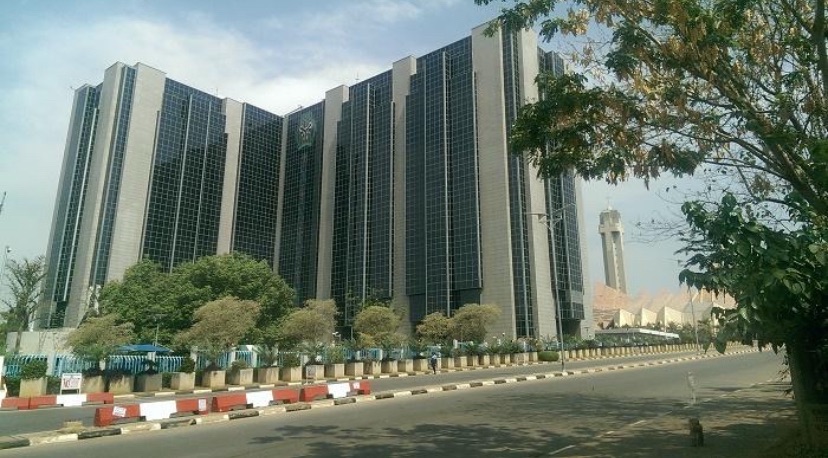

The Governor of the Central Bank of Nigeria (CBN), Olayemi Cardoso, has urged commercial banks to ensure that the more than N4.65 trillion raised through the banking sector recapitalisation exercise is invested in sectors that will strengthen the economy, create jobs, support businesses, and increase foreign exchange earnings.
Speaking after the successful completion of the recapitalisation programme on March 31, 2026, Cardoso explained that the exercise was not introduced simply to make banks financially stronger. Instead, he said its main goal was to improve the ability of banks to finance key sectors of the economy and support sustainable national development.
According to the CBN governor, 33 banks successfully met the minimum capital requirements set for their operating licences. He also revealed that about 73 percent of the fresh capital came from Nigerian investors, while the remaining funds were sourced from international investors. He described the strong local participation as a clear sign of growing confidence in Nigeria’s banking industry.
Cardoso stressed that the next priority should be ensuring that the newly raised capital is used effectively. He noted that stronger bank balance sheets alone would not deliver economic progress unless the funds are directed towards businesses and industries that contribute directly to national growth.
He explained that a well-capitalised banking system should be able to absorb greater financial risks, support larger business transactions, finance long-term investments, and remain stable during economic challenges. According to him, this is the real purpose of increasing banks’ capital base.
The CBN governor warned that if banks become too cautious in lending despite having more capital, the recapitalisation programme would fail to achieve its intended objectives. He therefore encouraged financial institutions to increase lending to productive sectors such as agriculture, manufacturing, infrastructure development, and small and medium-sized enterprises (SMEs).
Cardoso noted that these sectors have the potential to create millions of jobs, increase local production, improve exports, and generate much-needed foreign exchange for Nigeria. He added that businesses operating in these industries require greater financial support to expand and compete effectively.
He also said that both the CBN and commercial banks have a shared responsibility to ensure that the fresh capital benefits the wider economy rather than remaining idle on bank balance sheets.
Beyond recapitalisation, Cardoso reaffirmed the apex bank’s commitment to improving Nigeria’s digital payment system through the implementation of the Payment System Vision (PSV) 2028.
He explained that the initiative is designed to build a safer, faster, and more inclusive financial system by focusing on interoperability, transparency, innovation, security, and collaboration among stakeholders. One of the major goals of the programme is to achieve 95 percent financial inclusion by 2028, ensuring that more Nigerians have access to formal financial services.
The CBN governor added that the framework would encourage the adoption of modern technologies, including artificial intelligence, open banking, and the ISO 20022 messaging standard, which are expected to improve payment efficiency, reduce transaction delays, and strengthen the country’s financial infrastructure.
Cardoso concluded by saying that Nigeria has consistently produced strong economic policies, but the real challenge has always been effective implementation. He called on banks, fintech companies, telecommunications firms, regulators, and other industry stakeholders to work together in building a financial system that supports economic growth, encourages innovation, and delivers lasting benefits to Nigerians.
He expressed confidence that if the recapitalised banking sector and the Payment System Vision 2028 are successfully implemented, they will play a major role in accelerating Nigeria’s economic development and improving the lives of citizens.