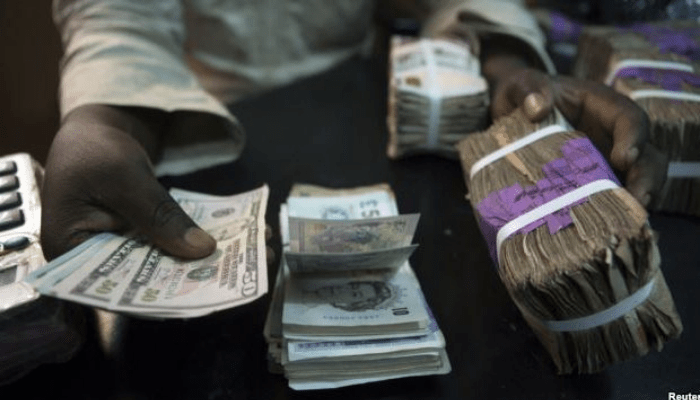

The Central Bank of Nigeria (CBN) is set to release a comprehensive new regulatory framework for Bureau De Change (BDC) operators this week, marking a decisive step in the apex bank’s strategy to deepen liquidity and stabilize the local currency. This move follows a period of intense volatility and comes as the Naira recently firmed to N1,390/$ in the parallel market. For the Nigerian economy, these guidelines represent a “structural reset” of the retail foreign exchange segment, aimed at eliminating speculative rent-seeking and integrating BDCs into the formal price discovery mechanism.
The economic consequence of the new guidelines is expected to be a significant reduction in the “street premium.” By providing a clearer, more transparent operational manual, the CBN is preparing to resume regular dollar sales to licensed BDCs, which had been restricted under previous regimes. This “supply-side intervention” is critical for meeting the retail demand for invisible transactions such as personal travel allowances (PTA), school fees, and medical bills which often drive the volatility seen in the black market. For small businesses and individual travelers, this could mean more predictable access to forex at rates closer to the official window.
Analytically, the upcoming guidelines are expected to introduce more stringent “Capital Requirements” and enhanced reporting obligations. Under the leadership of Governor Olayemi Cardoso, the CBN has signaled a move toward a market-driven exchange rate, where BDCs act as legitimate retail outlets rather than conduits for illicit financial flows. From a fiscal perspective, bringing the BDC segment under tighter digital surveillance utilizing the Bank Verification Number (BVN) and Tax Identification Number (TIN) is essential for curbing money laundering and ensuring that FX allocations reach the end-users who actually need them.
The impact on “Market Confidence” is a vital dimension of this policy shift. Aminu Gwadabe, President of the Association of Bureaux De Change Operators of Nigeria (ABCON), has expressed optimism that the new guidelines will provide the “regulatory clarity” needed for the sector to professionalize. For international investors and rating agencies, a well-regulated BDC sector is a sign of a maturing financial system. By narrowing the gap between the official Nigerian Foreign Exchange Market (NFEM) and the parallel market to the current 2.5%, the CBN is successfully dismantling the arbitrage opportunities that have historically drained Nigeria’s external reserves.
Furthermore, the new framework is expected to leverage technology to track transactions in real-time. This “Digital Oversight” will likely include mandatory use of the CBN’s centralized portal for all BDC trades, ensuring that every dollar sold is accounted for. As Nigeria continues to navigate its economic recovery, this reform is a key pillar in the government’s broader effort to achieve a $1 trillion economy, which requires a stable, transparent, and liquid foreign exchange market to attract long-term Foreign Direct Investment (FDI).
The long-term economic outlook for the Naira hinges on the successful implementation of these guidelines. If the CBN can maintain a steady supply of dollars to the BDCs while strictly enforcing the new rules, the “black market” could eventually lose its relevance as a primary price setter. For now, the financial community is on high alert, waiting for the fine print of the guidelines that will redefine how foreign exchange is bought and sold on the streets of Nigeria.