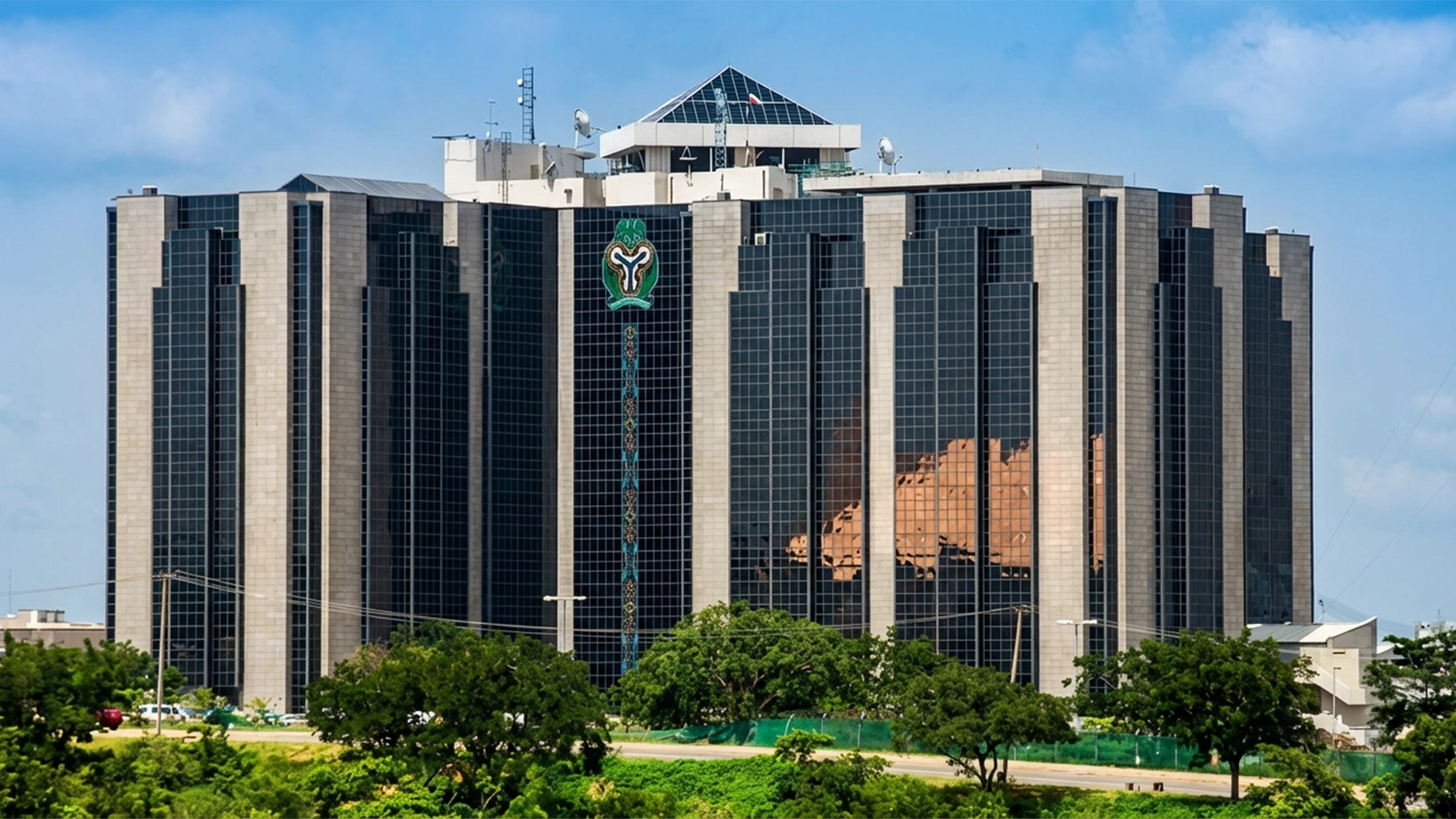

Three months after the Central Bank of Nigeria’s new remittance settlement rules took effect, the reform is tightening regulatory oversight of diaspora money transfers and linking the sector more closely to Nigeria’s formal foreign-exchange market.
The CBN issued the measures on March 24, 2026, with implementation beginning May 1. The circular requires International Money Transfer Operators (IMTOs) to process transactions arising from their operations through designated naira settlement accounts maintained with authorised dealer banks. Operators can maintain accounts with multiple banks, provided they notify the CBN of their designated accounts.
The rules also restrict the funding of these accounts to remittance flows and proceeds from foreign-exchange conversions conducted by licensed IMTOs or their agents through authorised participants in Nigeria’s foreign-exchange market.
A key element is the requirement for IMTOs to use real-time Bloomberg BMatch market prices as a guide when pricing transactions. BMatch is the platform designated by the CBN to support the Electronic Foreign Exchange Matching System, which was introduced to improve transparency and price discovery in interbank FX trading.
The reform comes as remittances remain an important source of foreign exchange for Nigeria. CBN data show total personal remittance inflows of about $21.8 billion in 2025, broadly unchanged from 2024. However, quarterly inflows weakened in early 2026, with personal transfers falling to about $5.3 billion in the first quarter from $5.72 billion in the fourth quarter of 2025.
The decline underscores why the effectiveness of the new framework cannot yet be judged simply by the size of aggregate remittance inflows. The policy is designed primarily to improve traceability, formalise settlement and ensure that foreign-exchange conversions associated with remittances are visible within the regulated market.
The CBN has set a more ambitious objective for the sector. In July, it said it was working towards raising monthly diaspora remittances to about $1 billion by the end of 2026, from more than $600 million.
For IMTOs and banks, the rules mean tighter record-keeping, settlement controls and compliance with anti-money-laundering, counter-terrorist-financing and related requirements.
The policy should therefore be viewed less as a standalone restriction and more as part of the CBN’s broader effort to bring remittance-related FX activity into a more transparent and traceable market.
Its longer-term success will depend on whether regulated channels remain competitive and convenient enough to attract diaspora flows while delivering the transparency and FX liquidity the CBN is seeking.