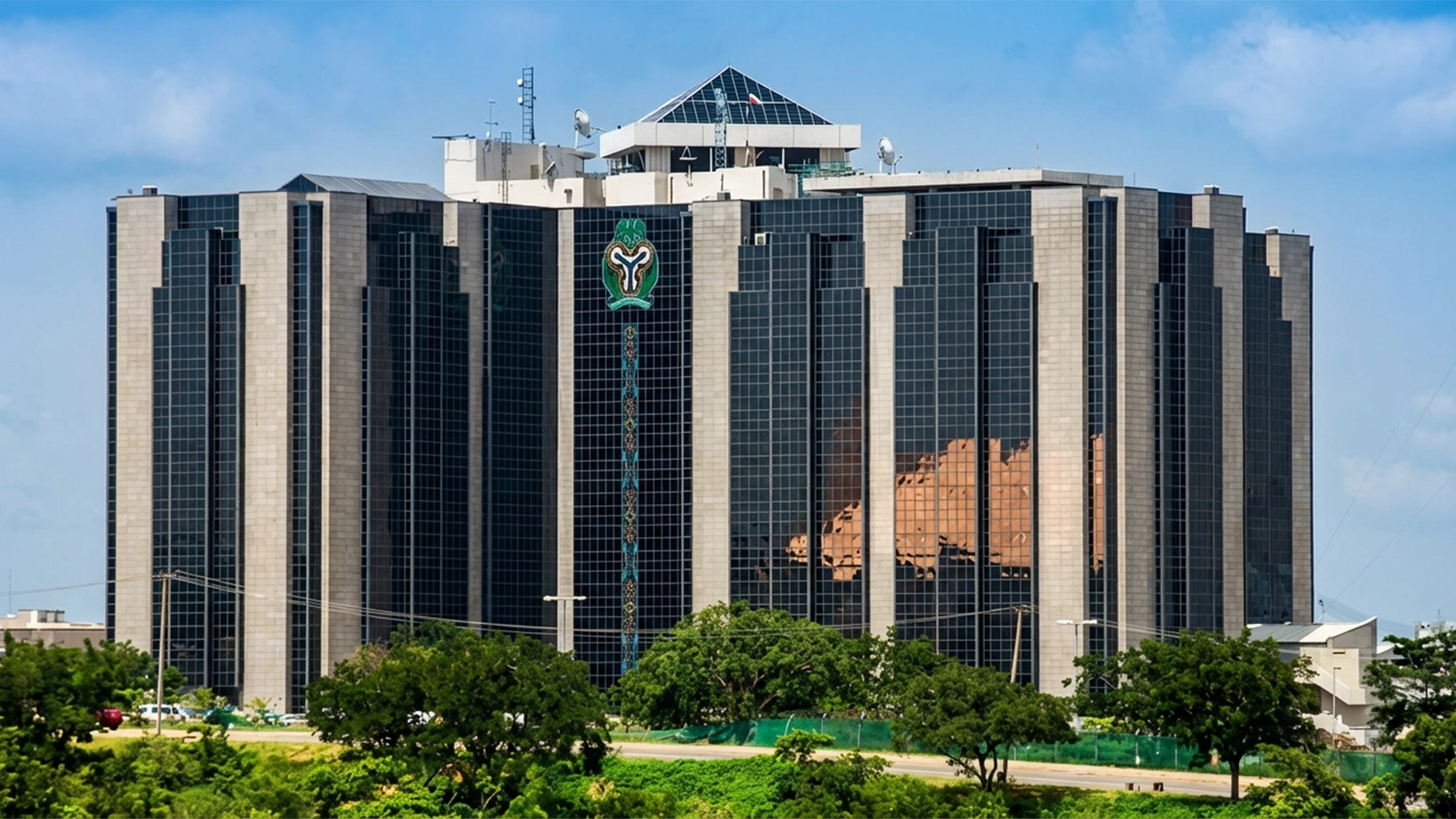

The Central Bank of Nigeria has announced plans to raise N650 billion through a fresh Treasury Bills auction, reinforcing efforts to manage liquidity conditions in the banking system while providing short-term borrowing support for the federal government.
The auction, which is expected to attract strong demand from banks, pension fund managers, asset managers and other institutional investors, comes as yields in Nigeria’s fixed-income market remain elevated amid persistent inflationary pressures and tight monetary conditions.
Treasury Bills, commonly known as T-Bills, are short-term debt instruments issued by the central bank on behalf of the federal government to finance budgetary obligations and regulate money supply in the economy. Investors lend money to the government for a fixed tenor and receive repayment with interest at maturity.
Market analysts said the latest issuance reflects the central bank’s continued reliance on open market operations and sovereign debt sales to absorb excess liquidity from the financial system following aggressive monetary tightening measures introduced over the past year.
Under the proposed auction structure, the CBN is expected to offer instruments across the standard 91-day, 182-day and 364-day maturities. The settlement deadline and subscription window are likely to trigger increased activity in the secondary market as investors reposition portfolios in anticipation of potentially attractive stop rates.
The development comes at a time when Nigeria’s inflation rate remains elevated, prompting the central bank to maintain a hawkish policy stance aimed at stabilising prices and supporting the naira. Higher Treasury Bills yields have consequently strengthened investor appetite for government securities, particularly among conservative investors seeking relatively low-risk returns.
Financial market participants said demand may remain strongest for the one-year instrument, which has recently delivered some of the highest risk-adjusted returns in the domestic fixed-income market. Analysts also expect commercial banks to increase participation as they seek to meet liquidity management requirements and optimise balance sheet positioning.
The Treasury Bills market has become increasingly important in Nigeria’s broader monetary policy framework. By adjusting issuance volumes and interest rates, the CBN can influence borrowing costs, control excess cash circulation and guide investor behaviour across financial markets.
Economists noted that sustained high yields could, however, increase government borrowing costs over time, potentially putting additional pressure on fiscal balances. Nonetheless, strong investor participation would provide reassurance over market confidence in sovereign instruments despite broader macroeconomic uncertainties.
Investors are expected to closely monitor the auction results for indications of yield direction, subscription levels and liquidity trends, all of which could shape sentiment in Nigeria’s debt and currency markets in the coming weeks.