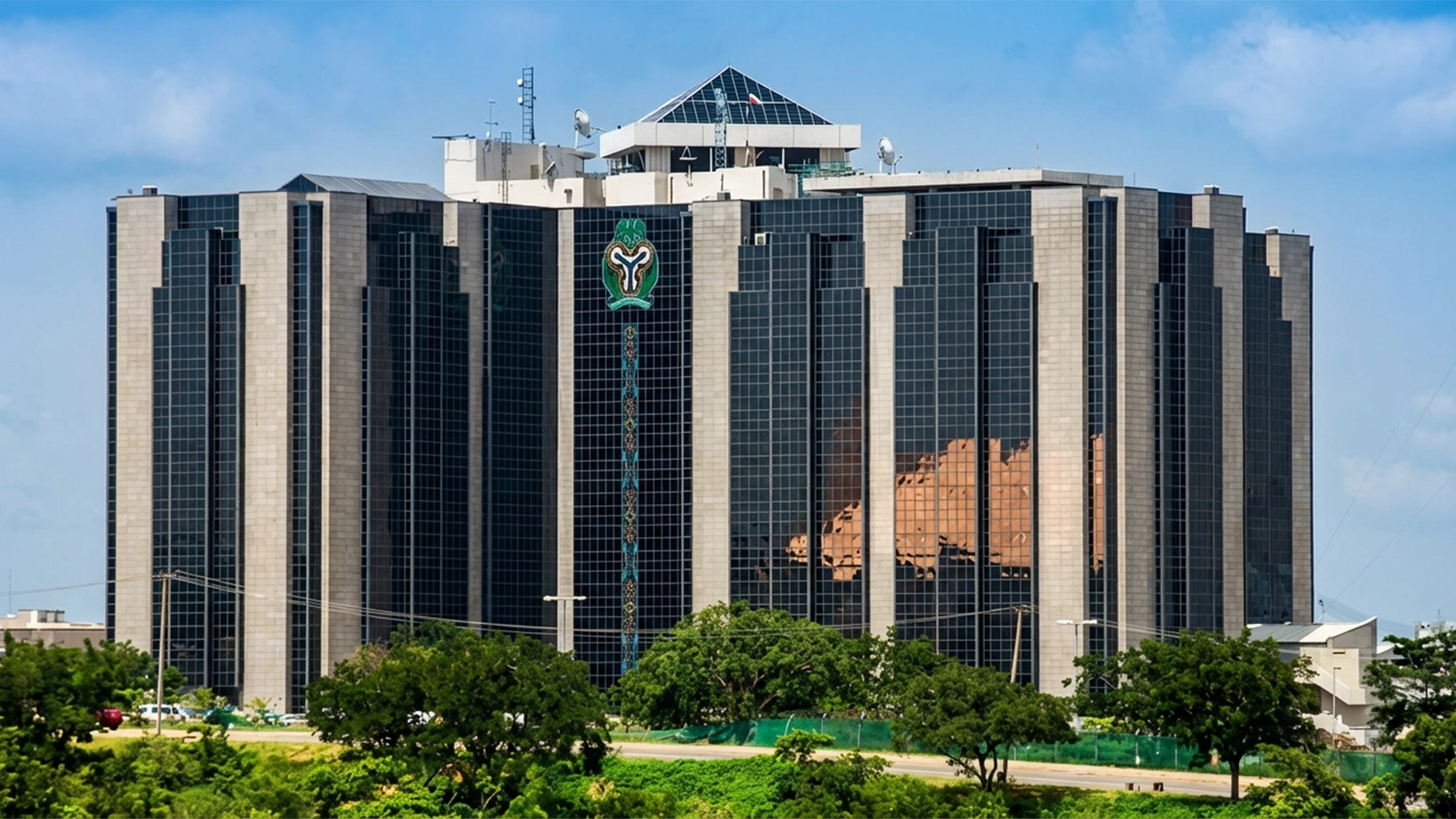

The Central Bank of Nigeria (CBN) has introduced new interpretative guidance limiting the suspension of payment obligations and contractual termination rights involving distressed financial institutions to a maximum of two business days, a move designed to strengthen confidence in Nigeria’s banking sector and align its resolution framework with international standards.
The directive, which takes immediate effect, was contained in a circular signed by Okey Umeano, Acting Director of the Financial Markets Department. It provides operational clarity on Sections 34(2)(b) and 40(2) of the Banks and Other Financial Institutions Act (BOFIA), 2020, addressing uncertainty surrounding the duration of temporary contractual suspensions during regulatory interventions.
According to the CBN, the absence of a clearly defined timeframe had created uncertainty for counterparties dealing with troubled banks, making commercial risk management more difficult and potentially undermining market confidence during bank resolution processes.
Under the new framework, any suspension of payment or delivery obligations, as well as any temporary restriction on contractual termination rights triggered by a bank resolution, must not exceed two business days from the date the CBN Governor issues a written suspension order or notice.
The guidance applies to what the regulator describes as “Affected Contracts”, agreements involving banks or other financial institutions that fall within the relevant provisions of BOFIA.
Section 34(2)(b) of BOFIA empowers the CBN to facilitate the acquisition or transfer of a failing bank as part of measures aimed at preserving financial system stability. Section 40(2) authorises the temporary suspension of contractual termination rights while regulators implement resolution actions, helping prevent disorderly exits that could threaten the wider financial system.
The circular was issued pursuant to Section 56 of BOFIA and Section 33(1)(b) of the Central Bank of Nigeria Act, 2007, reinforcing the CBN’s statutory authority to issue binding guidance for regulated institutions.
Financial analysts say the introduction of a clearly defined two-business-day limit mirrors global banking resolution practices adopted in major financial markets. By providing regulators with sufficient time to execute emergency resolution measures while preventing prolonged contractual uncertainty, the policy is expected to improve market discipline and reduce systemic risk.
The clarification is also likely to enhance investor confidence, particularly among international financial institutions and foreign counterparties that require legal certainty when transacting with Nigerian banks. Market participants have long sought greater predictability around regulatory interventions, especially as Nigeria continues reforms aimed at strengthening financial stability and attracting foreign capital.
The latest guidance underscores the CBN’s broader commitment to modernising Nigeria’s banking regulatory framework while balancing the need to protect depositors, preserve financial stability and maintain confidence in the country’s financial markets.