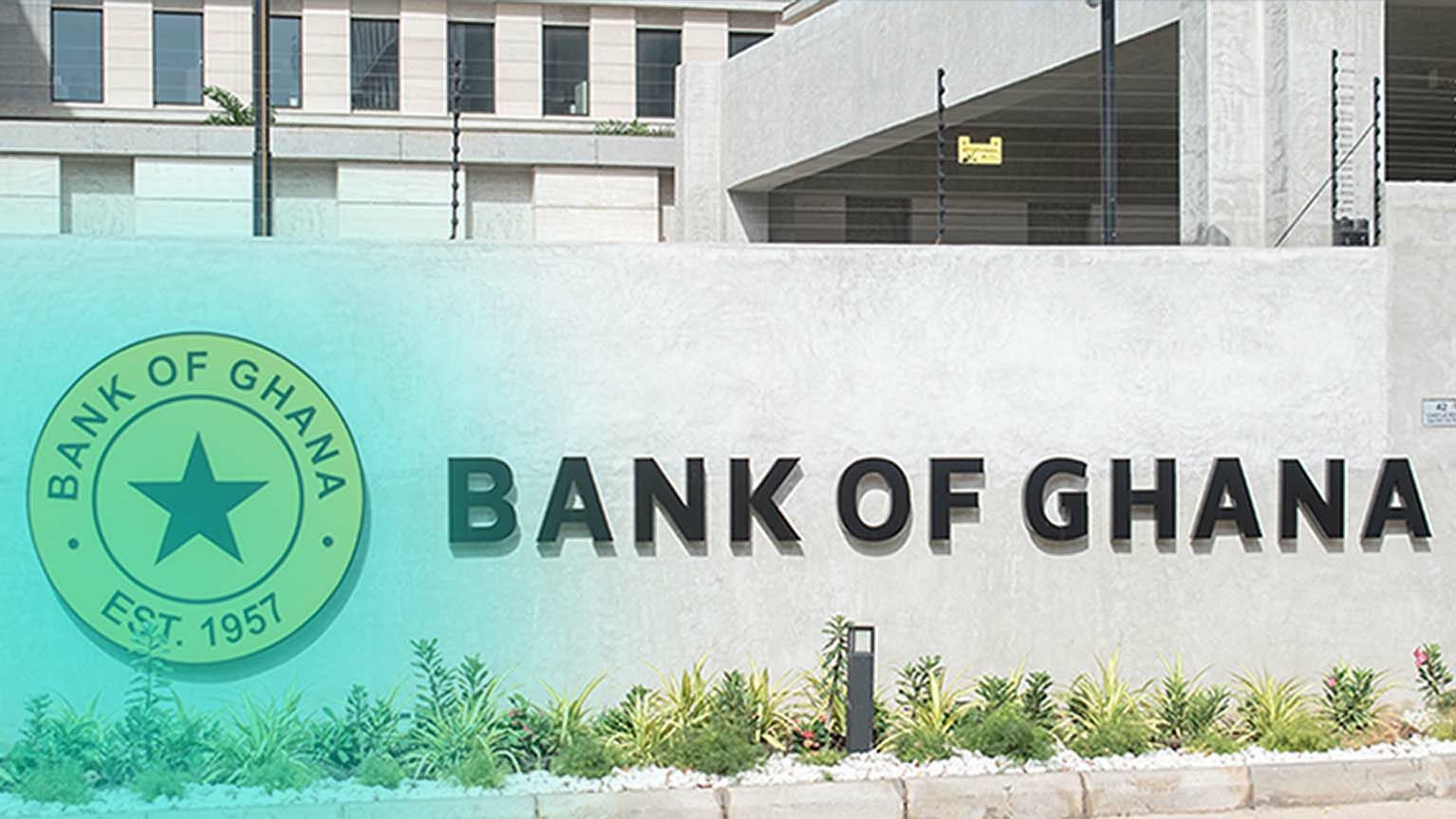

The Bank of Ghana (BoG) has injected approximately $10 billion into the country’s foreign exchange market between January and early December 2025, as part of a strategic effort to meet dollar demand and stabilise the cedi, sources told Joy Business. Officials emphasise that the initiative forms part of a broader “dollar intervention” strategy rather than a direct defence of the local currency, reflecting a more nuanced approach to exchange-rate management in a volatile global environment.
The interventions are largely funded by windfalls from Ghana’s Domestic Gold Purchase Programme, which has strengthened the central bank’s capacity to support foreign exchange auctions without depleting its reserves. This approach allows the BoG to supply dollars to key sectors of the economy while simultaneously safeguarding its balance sheet and international liquidity position.
According to sources, Ghana’s international reserves have risen from $9.1 billion in December 2024 to $11.4 billion by October 2025, with expectations that they will surpass $12 billion by the end of the year. In October alone, the central bank injected $1.15 billion into the market, contributing to a 13.9 percent monthly appreciation of the cedi and a 32.2 percent year-to-date gain. These figures highlight both the scale of intervention and its apparent effectiveness in boosting investor confidence and stabilising the domestic currency.
The BoG has also introduced a new Foreign Exchange Operations Framework, which guides interventions and seeks to improve transparency in the central bank’s dealings in the market. The framework aims to build reserves, curb excessive volatility, and intermediate flows efficiently, without committing to specific exchange-rate targets. Officials argue that this more flexible approach allows the central bank to respond to market pressures while maintaining credibility with both domestic and international investors.
Economists note that the dollar interventions have broader economic implications. A stronger and more stable cedi reduces imported inflationary pressures, lowers the cost of foreign-denominated debt servicing, and supports business planning by improving predictability in trade transactions. By maintaining market liquidity, the BoG is also helping to prevent sharp spikes in interest rates that could disrupt lending and investment.
The programme also sends positive signals to investors. Rising reserves and measured interventions suggest that Ghana is taking active steps to safeguard financial stability, manage external shocks, and maintain confidence in the domestic currency. Analysts suggest that this could attract foreign direct investment and portfolio inflows, particularly in sectors sensitive to exchange-rate risk such as manufacturing, services, and energy.
However, experts caution that sustaining the cedi’s stability will require continued vigilance. External factors such as global commodity price shifts, geopolitical uncertainties, and changes in U.S. monetary policy could affect demand for dollars in Ghana. Domestic fiscal discipline and strong macroeconomic fundamentals will be critical in ensuring that the gains from the intervention programme are durable.
In addition, the BoG’s strategy underscores the growing importance of gold-backed revenues in Ghana’s economic management. The Domestic Gold Purchase Programme has provided the central bank with a reliable source of foreign exchange, reducing reliance on reserve drawdowns and helping to finance interventions without undermining the country’s external position.
In summary, the Bank of Ghana’s $10 billion injection into the forex market reflects a proactive and measured approach to currency management. By leveraging gold revenues, implementing a new operational framework, and focusing on market stability rather than defending a fixed exchange rate, the BoG has strengthened reserves, curbed volatility, and bolstered investor confidence. These measures are expected to support macroeconomic stability, improve trade and investment conditions, and enhance Ghana’s financial resilience in the year ahead.