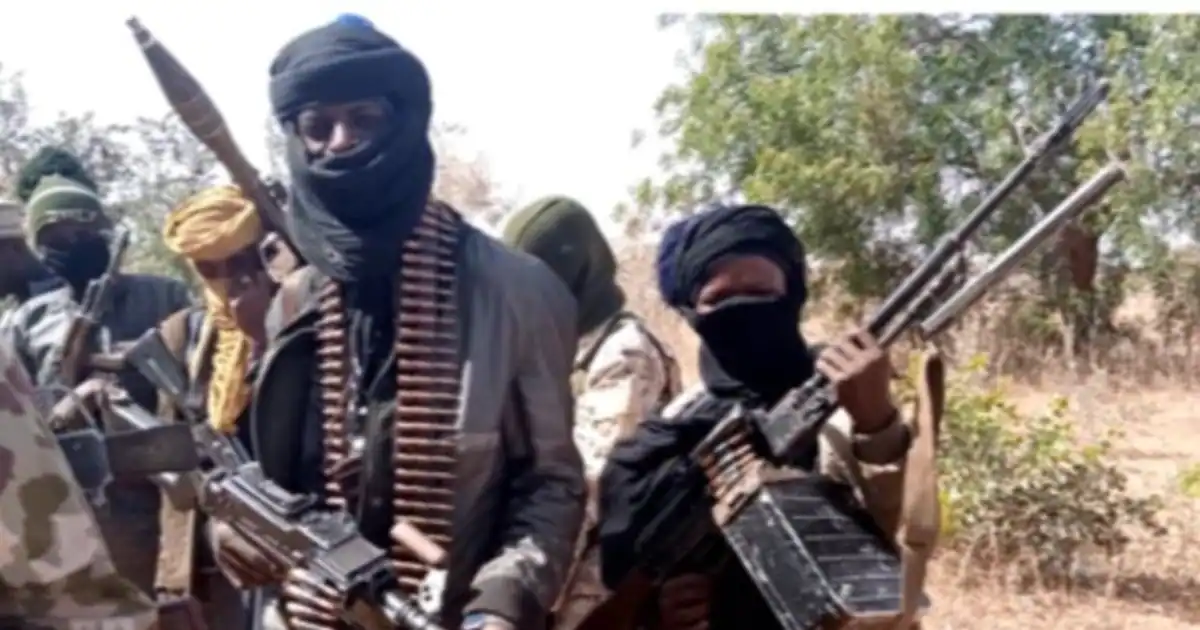

Thousands of residents have been forced to flee their homes in Sokoto State after a feared armed gang leader ordered entire communities to evacuate, underscoring the deepening security crisis in the region and its growing economic toll.
The displacement followed a violent warning issued by Bello Turji, one of the most notorious gang leaders operating in Nigeria’s northwest. Turji accused residents of Tidibale, a rural community in Sokoto State, of providing intelligence to the military that led to a recent security operation in which one of his fighters was killed. According to residents and civil society groups, Turji visited the village days later, killed three people and ordered the population to leave, threatening to kill anyone who remained.
The Sokoto State Police Command confirmed that residents were fleeing Tidibale out of fear of further attacks and said additional police units had been deployed to the area. Local government officials said more than 3,000 people had been evacuated by truck to Isa, a town about 50 kilometres away, where many are being temporarily housed in schools and other public buildings.
The incident is the latest episode in a long-running cycle of violence in Nigeria’s northwest, where heavily armed criminal gangs, often referred to locally as bandits, have carried out mass kidnappings, village raids and killings for years. Unlike Islamist insurgents active in the northeast, these groups are primarily motivated by profit, though their growing firepower and territorial control increasingly resemble insurgent movements.
Civil society organisations and local activists warn that the forced evacuation of Tidibale reflects a wider trend. Dozens of villages across Sokoto, Zamfara and Katsina states have reportedly been abandoned in recent months as attacks intensify and communities lose confidence in the state’s ability to protect them.
Beyond the immediate humanitarian crisis, the displacement carries significant economic implications for both the region and the wider Nigerian economy. Northwestern Nigeria is a major agricultural belt, producing staples such as millet, sorghum, maize and livestock for domestic markets. As farmers flee their land, agricultural output is disrupted, deepening food supply challenges in a country already grappling with high inflation and rising food prices.
According to economists, insecurity-driven displacement reduces rural productivity in several ways. Farmland is left uncultivated, harvests are abandoned, and livestock are stolen or killed. Supply chains linking rural producers to urban markets are also disrupted, increasing transportation costs and pushing food prices higher. These pressures feed into Nigeria’s broader inflation problem, which has eroded household purchasing power and worsened poverty levels.
The influx of displaced people into towns such as Isa places additional strain on already limited public resources. Schools used as temporary shelters are forced to suspend classes, disrupting education for both displaced children and host communities. Local health facilities, often underfunded even in normal circumstances, face increased demand without corresponding increases in staffing or supplies.
Security analysts note that the economic fallout of banditry extends beyond agriculture. Persistent violence discourages private investment, raises the cost of doing business and diverts public spending towards security operations rather than development. State governments in the northwest allocate a growing share of their budgets to emergency responses, relief efforts and security coordination, crowding out spending on infrastructure, healthcare and education.
The federal government has repeatedly vowed to restore security in the northwest through military operations, police deployments and peace initiatives. However, critics argue that the state’s response remains reactive rather than preventive, allowing armed groups to retain the initiative. In some areas, residents accuse security forces of arriving only after attacks have occurred, reinforcing a sense of abandonment.
The forced displacement from Tidibale also highlights the growing power wielded by gang leaders such as Turji, who are able to issue ultimatums and depopulate communities with little immediate resistance. Analysts warn that such actions risk normalising mass displacement as a tactic of control, with long-term consequences for social cohesion and local governance.
As thousands remain displaced and fearful of returning home, humanitarian groups are calling for a more coordinated response that combines security operations with economic recovery and community rebuilding. Without sustained improvements in security, they warn, displacement will continue to undermine livelihoods, deepen poverty and weaken state authority across Nigeria’s northwest.