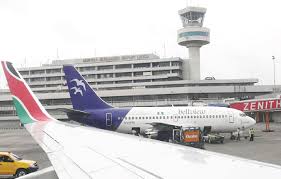

The Airline Operators of Nigeria has warned that domestic flights may be suspended from April 20 over the persistent rise in the price of Jet A1, also known as aviation fuel. In a notice signed by its President, Dr Abdulmunaf Yunusa Sarina, the body said the price of Jet A1 had increased to N3,300 per litre from about N900 per litre in February, representing a 300 per cent rise that has significantly raised airlines’ operational costs.
Sarina noted that the increase, driven by marketers, was not in line with global crude oil price trends, which reflect about a 30 per cent increase. He said airlines had, in the past four weeks, continued operations despite the rising costs out of a sense of responsibility to the nation, but the situation had become unsustainable. “Currently, airline revenues are insufficient to cover the cost of fuel alone, which is only one of many operational expenses incurred daily,” he said.
The AON president warned that the actions of fuel marketers were putting the aviation industry and the nation’s economy, safety and security at risk, as airlines were being forced to consider suspending operations. He noted that the increase had already affected one airline, forcing it to suspend operations since March 13. He said adjusting ticket prices to reflect current fuel costs could lead to reduced passenger traffic, while a shutdown of operations would affect jobs, financial institutions and national security.
Sarina urged marketers to adjust jet fuel prices in line with international market realities, as airlines could no longer sustain purchases at the current rates. The notice was addressed to the Major Energies Marketers Association of Nigeria, with copies sent to President Bola Tinubu, the Minister of Aviation and Aerospace Development, Mr Festus Keyamo, and the Nigeria Civil Aviation Authority, among others.
From an economic perspective, a suspension of domestic flights would have cascading effects across multiple sectors. Business travel, which facilitates trade and investment, would be severely constrained. The tourism and hospitality sectors would lose access to domestic visitors. Cargo capacity for urgent shipments would be reduced. The aviation sector directly employs thousands of Nigerians, and a shutdown would trigger job losses and financial distress for airlines, ground handlers, and airport concessionaires.