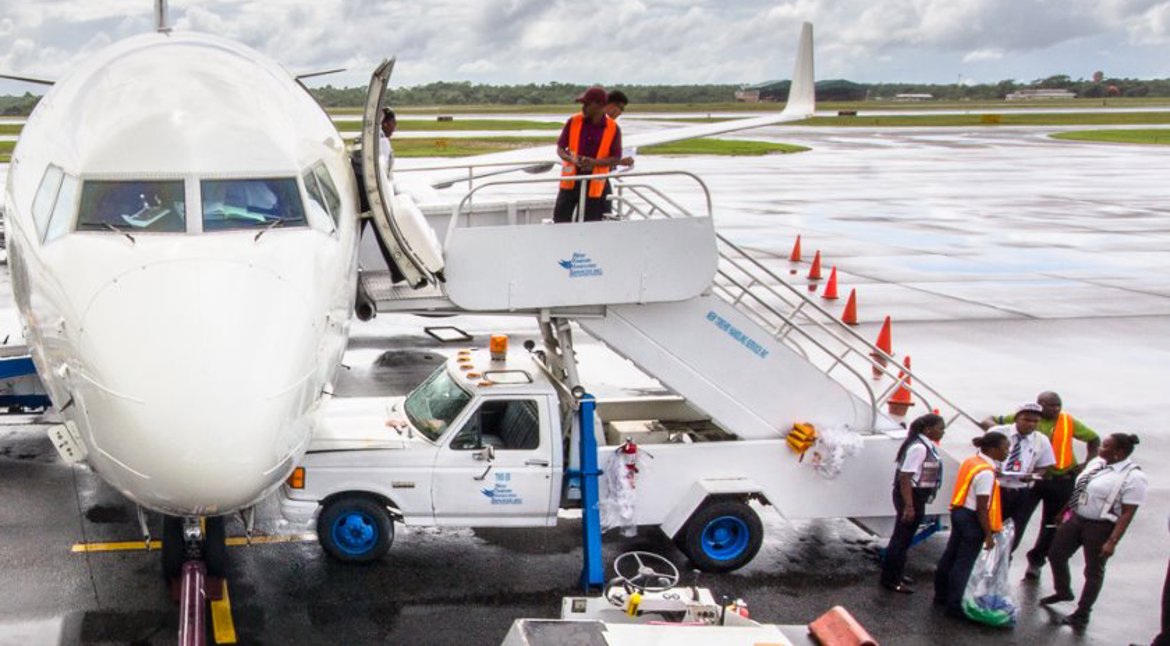

The Aviation Ground Handling Association of Nigeria (AGHAN) has issued a final three-day ultimatum to airlines operating in the country to settle outstanding debts, escalating tensions within an industry already grappling with rising costs and fragile balance sheets.
AGHAN, the umbrella body representing ground handling service providers, warned that failure to comply could trigger a withdrawal of critical airport services, potentially disrupting flight operations nationwide. Ground handling services covering aircraft cleaning, baggage handling, refuelling coordination, and passenger support are essential to airline turnaround times and overall airport efficiency.
Industry executives say the move reflects mounting financial strain among service providers, many of whom are struggling with delayed payments in an environment marked by currency volatility, high inflation, and elevated operating expenses.“This is no longer sustainable,” a senior AGHAN official said, noting that some airlines have accumulated significant arrears over extended periods. “Operators must meet their financial obligations if the system is to function effectively.”
The ultimatum underscores deeper structural challenges within Nigeria’s aviation sector. Airlines have faced surging costs linked to jet fuel prices, foreign exchange scarcity, and maintenance expenses, much of which is denominated in US dollars. These pressures have squeezed margins, leading to delayed payments across the value chain.Analysts warn that any disruption to ground handling services could have immediate and far reaching consequences. “If handlers suspend operations, even briefly, it could ground flights, disrupt schedules, and erode passenger confidence,” said an aviation consultant based in Lagos. “The knock-on effects for business travel and cargo logistics would be significant.”
Airlines, for their part, are expected to engage AGHAN in last-minute negotiations to avoid service interruptions. Some operators are reportedly seeking structured payment plans to clear outstanding obligations without jeopardising ongoing operations.
The situation highlights the interconnected nature of aviation stakeholders, where liquidity challenges in one segment can cascade across the ecosystem. It also raises broader questions about regulatory oversight and the need for more resilient financial frameworks within the sector.
For investors and policymakers, the dispute serves as a reminder of the aviation industry’s vulnerability to macroeconomic shocks. Without coordinated reforms ranging from improved access to foreign exchange to cost stabilisation measures, the risk of recurring disruptions remains high.
With the deadline fast approaching, attention will turn to whether airlines can mobilise payments in time or whether AGHAN will follow through on its threat, potentially forcing a temporary shutdown of key airport services.