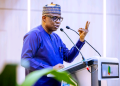
Africa is facing a housing deficit of more than 50 million units, a shortfall that could rise to 130 million by 2030 without urgent intervention, according to Festus Adebayo, convener of the Africa International Housing Show (AIHS).
In a statement ahead of the event’s 20th edition, Adebayo said rapid population growth, urbanisation, and structural challenges in housing delivery are driving the widening gap across the continent.
“Africa today stands at a critical crossroads… the continent is grappling with one of the most pressing development challenges of our time,” he said.
The housing crisis extends beyond shelter, affecting economic productivity, public health, and social stability. Over 200 million Africans currently live in informal settlements, underscoring the scale of the challenge.
Adebayo identified key drivers of the deficit, including limited access to housing finance, high construction costs, and weak land administration systems. He warned that without structural reforms, the situation could deteriorate significantly.
Nigeria accounts for the largest share of the deficit, estimated between 17 million and 28 million units. Other heavily affected countries include the Democratic Republic of Congo (3.9 million units) and South Africa (2.8–3.7 million units), alongside Kenya, Ghana, Tanzania, Uganda, Egypt, and Madagascar.
The continent also faces a housing finance gap exceeding $1.4 trillion, limiting large-scale development and constraining both public and private sector participation.
Adebayo stressed that addressing the crisis will require policy reforms, improved access to long-term financing, and the adoption of cost-effective building technologies to enhance affordability.
The AIHS, in collaboration with global partners, aims to bring together stakeholders to unlock financing and accelerate housing delivery across Africa. He noted that while the deficit poses a major challenge, it also presents an opportunity to stimulate economic growth, create jobs, and build more inclusive cities.
In Nigeria, the Federal Government has launched initiatives such as the Renewed Hope Estates and Cities programme to tackle the housing gap. These projects are being implemented through public-private partnerships and direct government funding, with developments spread across the country.
However, progress has been gradual, with several projects still under construction and none fully completed.
Minister of Housing and Urban Development, Ahmed Musa Dangiwa, said Nigeria requires about 550,000 new housing units annually over the next decade, at an estimated cost of N5.5 trillion, to bridge the deficit.
He added that beyond new construction, efforts must also focus on upgrading existing housing, improving infrastructure, and addressing affordability challenges.
With Africa’s population continuing to grow rapidly, experts warn that coordinated investment, innovation, and regulatory alignment will be critical to closing the housing gap.