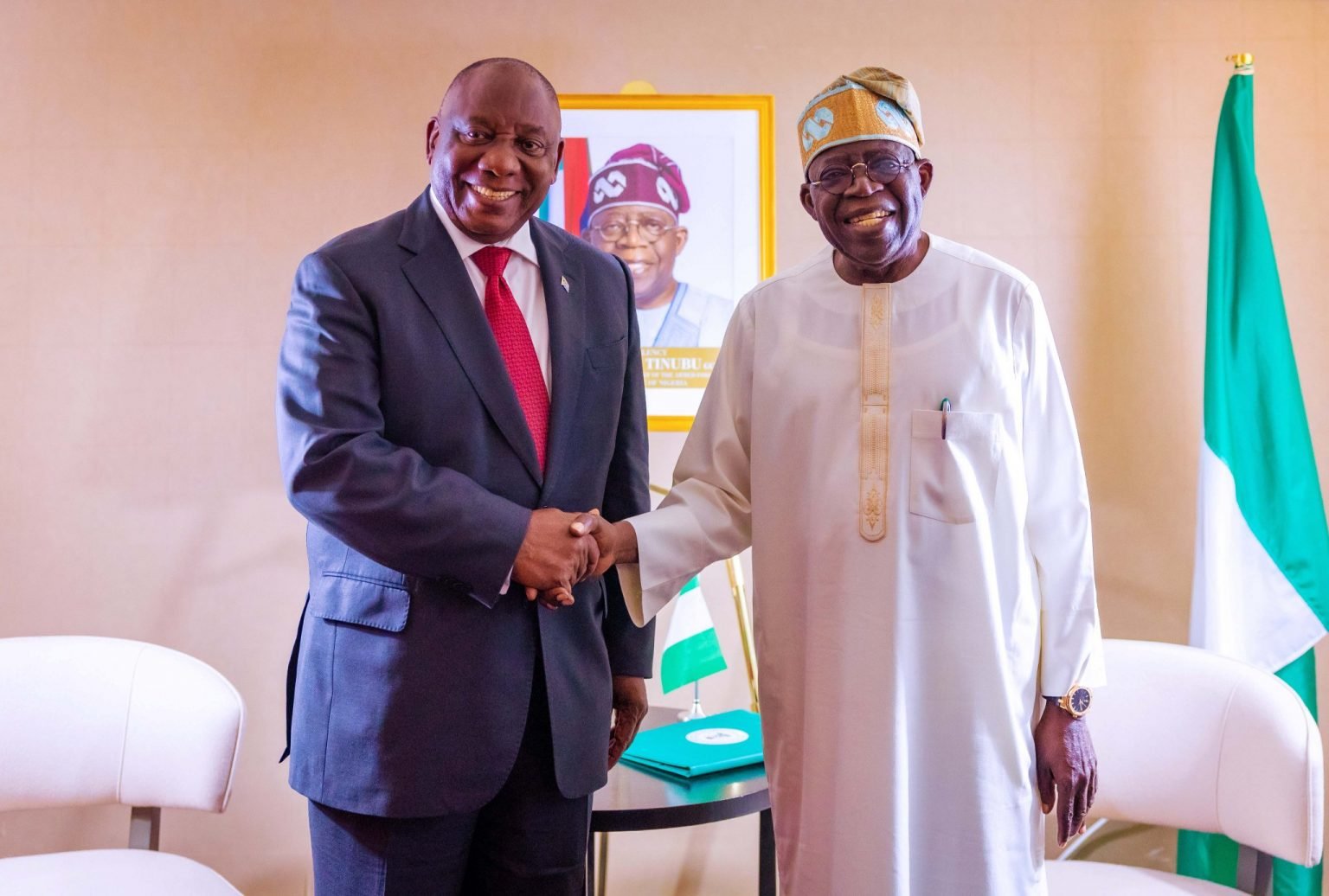

Nigeria and South Africa, widely regarded as the twin engines of the African economy, have reaffirmed their unwavering commitment to a deeper strategic partnership, following a high-level political consultation recently held in Abuja. The meeting, which was co-chaired by Nigeria’s Minister of State for Foreign Affairs, Ambassador Bianca Odumegwu-Ojukwu, and South Africa’s Deputy Minister of International Relations and Co-operation, Thandi Moraka, sought to evaluate and strengthen the broad scope of their bilateral relations, particularly in the political and economic spheres.
The consultation was conducted under the existing framework of the Bi-National Commission (BNC), a structure put in place to ensure ongoing engagement and accountability between the two major regional powers. Throughout the comprehensive dialogue, officials tackled a wide spectrum of shared interests and challenges, including trade and investment, defence co-operation, migration, and strategies for advancing common positions within multilateral institutions like the United Nations and the African Union. Both sides explicitly reaffirmed their mutual commitment to the principles of the African Union’s Agenda 2063, acknowledging their joint responsibility in driving the continent’s development agenda.
Despite the historical and cultural links, as well as significant investment by South African corporations in Nigeria, the meeting acknowledged that challenges persist, particularly in the timely implementation of various agreed-upon accords. A primary concern raised was the delay in finalising a crucial Memorandum of Understanding (MoU) on Standards and Standardisation, which is intended to streamline processes between Nigeria’s Standards Organisation and the South African Bureau of Standards. The Nigerian delegation explained that this document is still undergoing a legal review, creating a bottleneck that both nations are now eager to resolve swiftly to ease trade barriers. Furthermore, the meeting expressed disappointment that the Joint Ministerial Advisory Council on Industry, Trade and Investment has yet to meet, despite a directive from the eleventh BNC, underscoring the urgency of finalising its operational terms of reference.
However, the consultation also highlighted notable successes achieved since the last major review. The most significant of these was the agreement on mineral sector co-operation signed in April of this year. This partnership between the respective Minerals Ministers is designed to inject new life into both nations’ mining industries, facilitating crucial investment, technology transfer, and shared expertise. Progress in the aviation sector was also commended, following the signing of an MoU in January between the relevant South African and Nigerian air traffic and navigation agencies. These agreements demonstrate a pragmatic approach to collaboration, moving beyond rhetoric into tangible sectors.
One of the most pressing issues addressed was the need to safeguard the nationals of both countries and resolve lingering migration and consular issues. The two governments committed to fast-tracking the implementation of the Early Warning Mechanism MoU, an agreement intended to proactively address and swiftly resolve instances of violence, criminality, or consular disputes involving citizens living in each other’s territory. This mechanism is viewed as vital for sustaining the necessary trust and goodwill between the two largest economies. Directly linked to this, ministers called for the third Consular and Migration Forum to be held in Pretoria during the first quarter of 2026.
Looking ahead, both sides agreed that economic co-operation must evolve, moving towards a more diversified and balanced partnership. Emphasis was placed on exploring non-oil sectors such as agriculture, manufacturing, services, and the burgeoning digital economy. Both governments have committed to working towards the liberalisation of visa restrictions for business people, a critical step necessary to unlock investment and foster genuine private-sector-led growth. Furthermore, they agreed to collaborate on shared continental challenges, including food and nutrition security, enhanced digital connectivity, and taking a joint leadership role in the development and governance of Artificial Intelligence.
To ensure that the agreements reached are not subject to the same delays that have plagued past efforts, the governments formally established a Joint Implementation Committee. Co-chaired by the heads of bilateral working groups, this new body has been mandated to meet quarterly to rigorously monitor the execution of all decisions. The strong push for accountability indicates a renewed seriousness from both Abuja and Pretoria to translate diplomatic agreements into measurable, on-the-ground economic and social benefits for their citizens. The next Political Consultation, which will be preceded by a mid-term review, is scheduled to take place in Abuja in 2026, on dates to be mutually agreed upon through diplomatic channels.