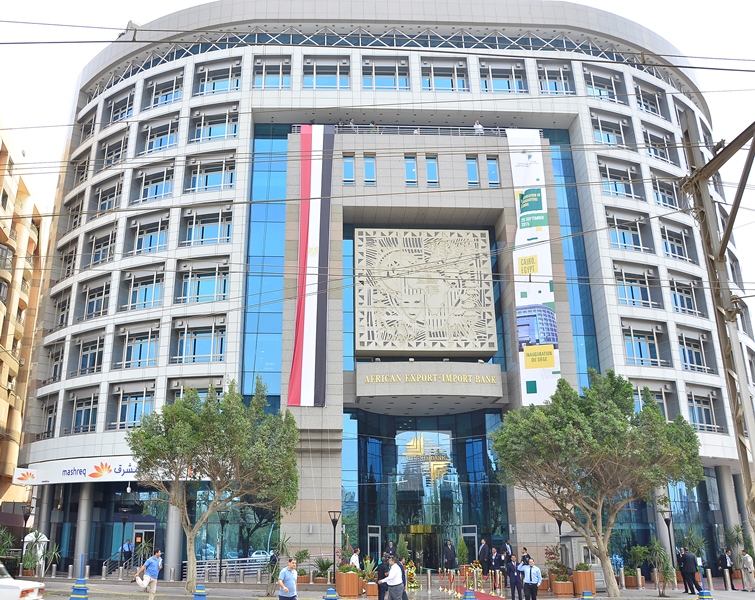

The African Export Import Bank has announced that it successfully raised over 800 million dollars from international financial markets in 2025, even as concerns grew over its credit rating. The development highlights the bank’s resilience and continued access to global funding despite scrutiny from rating agencies.
In a statement released alongside its 2025 financial performance, the bank explained how it sourced the funds through bond issuances in Asia. Specifically, it tapped into Japanese and Chinese markets using Samurai and Panda bonds. This move reflects a strategic effort to diversify funding sources and strengthen its financial base.
According to the bank, “Contrary to concerns raised by some rating agencies during the year, the Bank accessed international bond markets by successfully raising over $800 million from Japan and China, courtesy of the Samurai and Panda bonds in 2025.”
This achievement came during a period when global rating agencies, including Fitch Ratings, raised concerns about the bank’s risk exposure and overall financial profile. In 2025, Fitch downgraded the bank’s credit rating to just above non investment grade, citing increasing exposure to sovereign debt challenges and questions around risk management.
Despite this downgrade, investor confidence in the bank remained strong. The successful fundraising suggests that international investors still view Afreximbank as a reliable institution capable of delivering value and supporting economic development across Africa. Market participants appeared willing to look beyond the rating concerns, focusing instead on the bank’s track record and strategic importance.
The bank emphasized that the outcome reflects its strong institutional foundation and credibility. It noted, “This demonstrated the Group’s fund-raising capabilities and the solid nature of the Bank’s DNA as a pan-African multilateral financial institution.”
Afreximbank has long played a critical role in financing trade and economic activities across the continent. Established to support intra-African trade and economic integration, the institution continues to provide funding for governments and businesses, particularly during periods of economic uncertainty.
The ability to raise such a significant amount in 2025 also highlights the growing importance of alternative funding markets outside traditional Western financial systems. By leveraging opportunities in Asia, the bank reduced its dependence on conventional sources of capital while strengthening global partnerships.
Analysts say this development sends a strong signal about Africa’s evolving financial landscape. It shows that African institutions can still attract global capital even when faced with rating pressures, especially when they demonstrate consistent performance and strategic relevance.
Overall, the fundraising success reinforces Afreximbank’s position as a key financial player on the continent. It also underlines the bank’s commitment to driving economic growth, boosting trade, and supporting long term development across Africa despite external challenges.