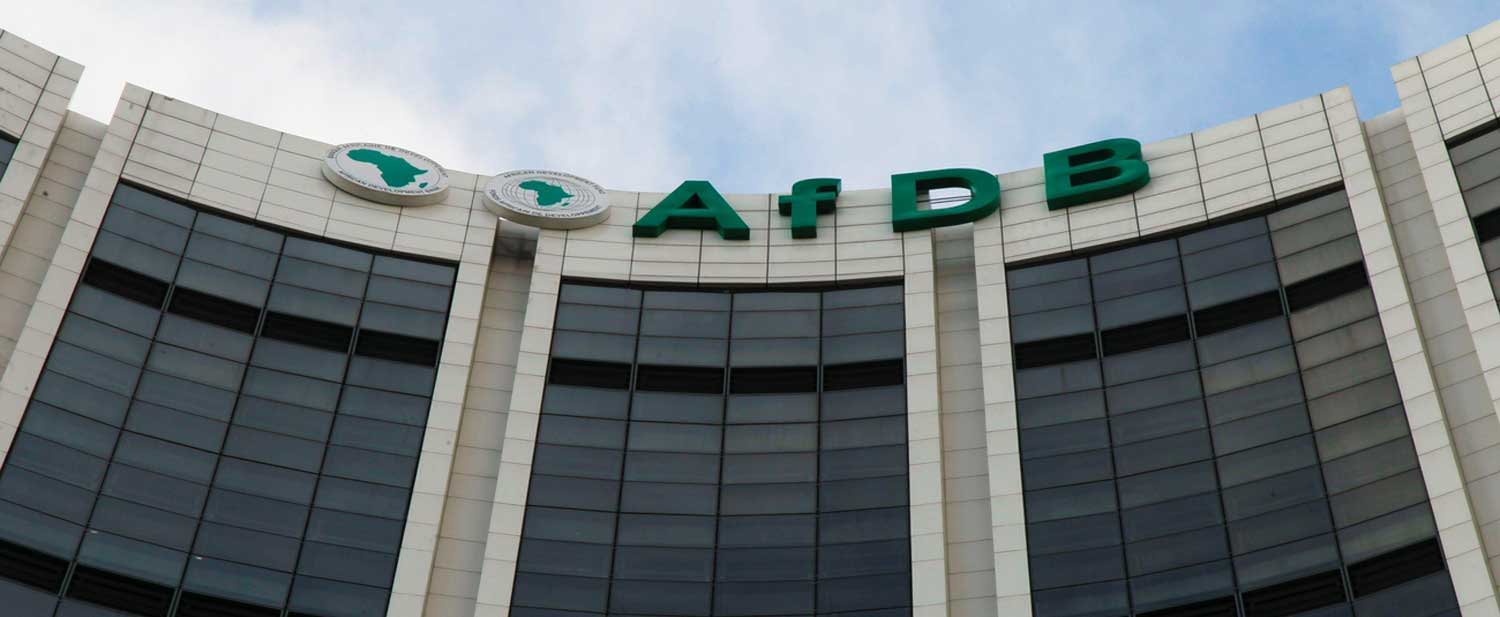

Nigeria is set to receive $500 million from the African Development Bank (AfDB) this year as part of a broader $1 billion budget support programme aimed at reinforcing the country’s economic reform efforts. Bode Oyetunde, the AfDB Executive Director representing Nigeria and São Tomé and Príncipe, told the Nigerian Economic Summit in Abuja on Monday that the facility is expected to gain approval before year-end, underscoring the bank’s commitment to supporting macroeconomic stability in Africa’s largest economy.
“We have been working strongly to support Nigeria’s bold and aggressive macroeconomic reforms,” Oyetunde said. He noted that while Nigeria had requested $1.5 billion, the AfDB committed to $1 billion over two years, with $500 million already disbursed in 2024. The allocation reflects both a measured approach to fiscal support and the bank’s assessment of the Nigerian government’s reform trajectory.
The budget support programme is designed to complement a series of high-profile policy changes spearheaded by President Bola Tinubu since taking office in May 2023. Among the key reforms are the removal of long-standing fuel subsidies, the unification of foreign exchange rates, and an overhaul of taxation policies to increase revenue mobilisation and attract private investment. These steps are intended to restore macroeconomic stability, improve investor confidence, and create a more predictable operating environment for businesses.
Fiscal and power sector reforms sit at the heart of the AfDB-supported programme. Nigeria has long grappled with power supply constraints that have curtailed industrial productivity, while chronic inefficiencies in public finances have limited the government’s ability to fund infrastructure and social programmes. By linking budget support to these sectors, the AfDB seeks to ensure that its assistance directly reinforces structural reforms rather than serving as temporary liquidity.
Analysts say that the AfDB’s backing signals confidence in Nigeria’s reform agenda at a time when global capital is increasingly selective. “Budget support from a multilateral lender like AfDB sends a clear signal to investors that the Nigerian government is committed to credible policy implementation,” said a Lagos-based economist who requested anonymity. “It is not just about the cash; it is about validating Nigeria’s economic direction and governance standards.”
Nigeria’s economic transformation drive has been ambitious. The elimination of fuel subsidies, for instance, represents a politically sensitive but economically necessary correction that frees fiscal space for priority spending. Similarly, exchange rate unification aims to reduce distortions in trade and investment while strengthening confidence in the naira. The AfDB programme’s conditionality is expected to reinforce adherence to these policies, offering a mechanism for monitoring and evaluation over the two years.
Oyetunde emphasised that the AfDB’s support aligns with broader regional priorities, including sustainable infrastructure and power sector development. “Our programme focuses on sectors that are critical for economic growth, including electricity provision and fiscal governance,” he said. Analysts note that improvements in electricity distribution could have a multiplier effect, enabling industrial growth, increasing jobs, and supporting digital adoption.
While $500 million is a fraction of Nigeria’s overall budgetary needs, the timing and conditionality of the disbursement carry strategic weight. By providing targeted support to reforms that address both macroeconomic stability and structural bottlenecks, the AfDB is effectively reinforcing Nigeria’s credibility with other investors and development partners.
The two-year $1 billion facility also reflects a calibrated approach to risk, balancing Nigeria’s financing needs with prudent oversight. It comes against a backdrop of global economic uncertainty, rising debt pressures in emerging markets, and heightened expectations for governance and fiscal accountability.
For President Tinubu, the AfDB’s support strengthens his administration’s case for sustained reform momentum. By linking budget support to verifiable policy outcomes, the facility reinforces a broader narrative of economic stabilisation, investment readiness, and structural transformation. Analysts predict that if implemented effectively, the programme could catalyse further capital inflows, improve infrastructure delivery, and provide the government with breathing space to implement complementary social and industrial policies.
As Nigeria seeks to consolidate its reform gains, the AfDB loan offers more than financial support; it is an endorsement of the country’s economic direction. Success will depend on consistent policy implementation, robust monitoring, and the government’s ability to translate reform commitments into tangible improvements in fiscal health, power reliability, and business confidence.