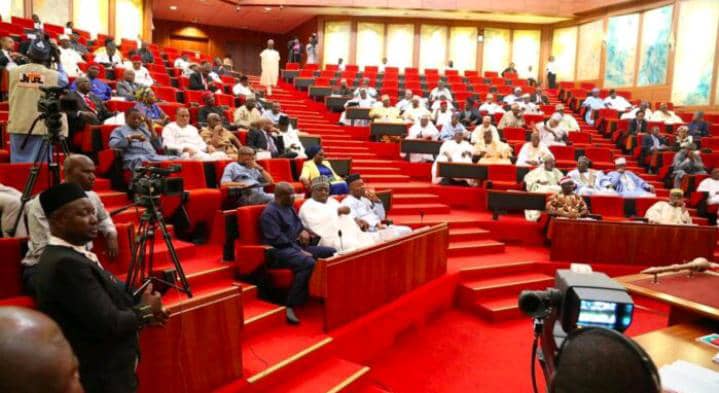

The African Democratic Congress (ADC) has flagged the recent request by the Bola Ahmed Tinubu-led federal government for a fresh ₦1.15 trillion domestic loan as evidence of a worsening debt problem and financial inconsistency. The party claims this move reveals the government’s addiction to reckless debts and a departure from earlier promises to reduce borrowing.
According to the ADC’s national publicity secretary, Bolaji Abdullahi, the new borrowing approval by the National Assembly contradicts recent official statements that Nigeria had met its non-oil revenue target of ₦20.59 trillion by August 2025 and would no longer need to borrow extensively. By seeking additional debt, the government is accused of reversing course on prior assurances and neglecting the economic burden this places on ordinary Nigerians.
The ADC warned that if all planned 2025 loans are approved, Nigeria’s total public debt could rise to around ₦193 trillion, a figure the party views as deeply problematic given current economic conditions. The statement argues that the government’s borrowing is “borrowing against its own words” and failing to deliver meaningful relief to a population already facing inflation and high living costs.
Meanwhile, the Senate Public Accounts Committee, chaired by Ahmed Wadada, has launched a nationwide review of stamp-duty collections, seeking detailed records from banks, the Central Bank of Nigeria (CBN), the Federal Inland Revenue Service (FIRS) and oil-and-gas companies. The aim is to reconcile remittances and ensure that collected revenue reaches the Treasury Single Account (TSA). This oversight mechanism reflects concerns that borrowing is replacing genuine revenue growth as the government’s funding strategy.
At the same time, during the opening of the Digital Nigeria International Conference 2025 held at the Bola Ahmed Tinubu International Conference Centre, Dr Tunji Olowolafe emphasised that digital transformation is not a goal in itself, but the pathway to prosperity. He pointed out that the ICT sector already contributes over 11 per cent to Nigeria’s GDP in Q2 2025 and urged the narrowing of the execution gap between strategy and outcomes.
In short, while the administration is signalling progress on revenue and digital growth, its simultaneous push for large‐scale borrowing is raising alarm bells. The ADC sees this as a contradiction that may jeopardise fiscal sustainability and undermine public trust.
The new ₦1.15 trillion loan adds to Nigeria’s mounting debt burden amid stagnant non-oil revenue growth, potentially raising debt-service costs and limiting fiscal space for investment. If public debt reaches the projected ₦193 trillion, interest obligations could crowd out infrastructure spending, slow growth and raise inflation risks, undermining economic stability.