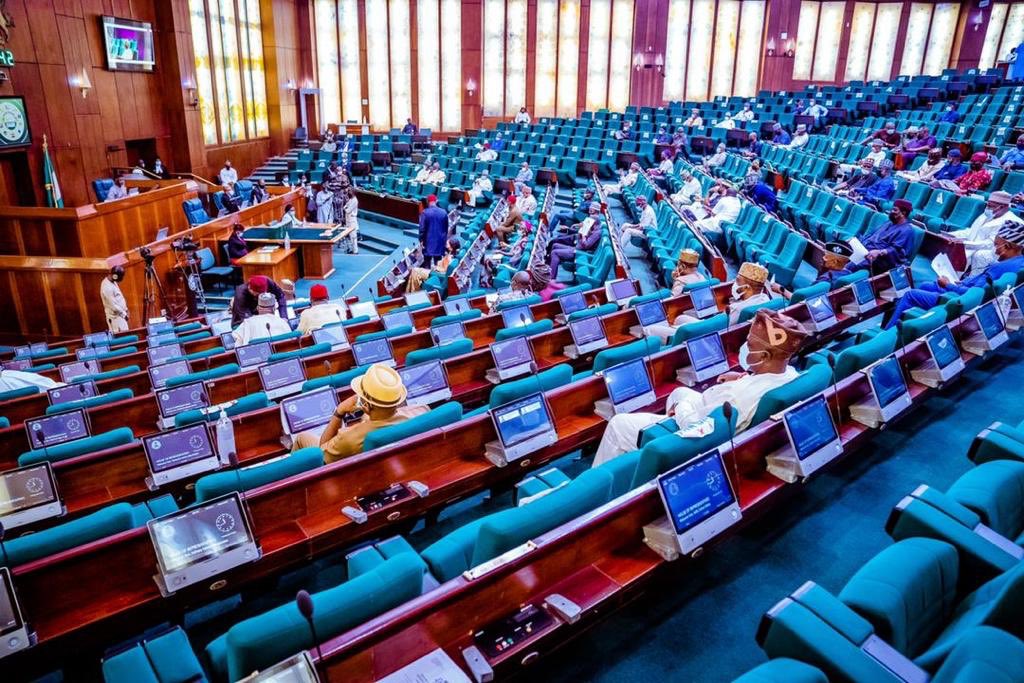

The Nigerian House of Representatives has firmly rejected claims that the country’s widespread security challenges constitute religious persecution or are sponsored by the state against specific faith groups. The lawmakers’ position was a direct and forceful response to legislative action in the United States, which seeks to brand Nigeria as a nation actively violating religious freedom.
The dispute centres on a bill recently introduced in the US Senate, titled the ‘Nigeria Religious Freedom Accountability Act of 2025’. This legislation aims to designate Nigeria as a ‘Country of Particular Concern’ (CPC) and, critically, proposes imposing sanctions on Nigerian government officials under the Global Magnitsky Act. Such a designation is often recommended by the US Commission on International Religious Freedom (USCIRF), which has repeatedly cited persistent violations and state failures to protect worshippers.
However, the Nigerian parliamentarians maintained that this narrative is based on an incomplete and decontextualised assessment of the situation on the ground. They stressed that the Nigerian constitution guarantees freedom of thought, conscience, and religion, explicitly barring the adoption of a state religion. The House argued that the violence plaguing the nation is multifaceted and complex, driven by varied factors such as criminal banditry, communal disputes, insurgency, separatist movements, and farmer-herder conflicts. These acts of violence indiscriminately affect citizens of all faiths, meaning the crisis cannot be simply framed as a religious war or state policy targeting one group.
Following a motion adopted by the House, the parliament has ordered a robust diplomatic effort to counter the US bill. This involves coordinating with the Federal Ministry of Foreign Affairs and the Nigerian Embassy in Washington, D.C., to lodge a formal diplomatic démarché—a strong protest—with the bill’s sponsors and the relevant committees in the US Congress.
Furthermore, the legislature mandated its relevant committees to propose a joint fact-finding and dialogue mechanism on Freedom of Religion or Belief (FoRB) between Nigeria and the United States. This proposed mechanism would involve faith leaders and independent experts from both nations, aiming to establish a shared, accurate understanding of the security dynamics. In a bid to scrutinise the sources of the adverse reports, the House also extended an invitation to the USCIRF itself, asking the body to attend a House hearing to review the methodology and implications of its findings on Nigeria.
During the debate, several lawmakers expressed concern that external legislative actions based on what they term flawed data risk damaging Nigeria’s national sovereignty, misrepresenting facts, and unnecessarily straining the longstanding strategic partnership with the US on critical matters like counter-terrorism and democratic governance. One member highlighted the diplomatic challenges faced by the country, noting that the absence of substantive Nigerian ambassadors in key foreign capitals, particularly the United States, makes proactive engagement and mitigation of such political attacks considerably more difficult. The consensus among the parliament was that Nigeria is being deliberately targeted through mischief, requiring a coordinated, forceful, and factual engagement with the US parliament to protect the nation’s interests and reputation abroad.