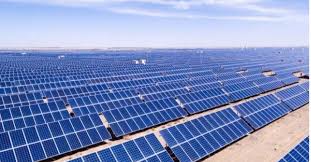

Nigeria has officially climbed the ranks to become the second-largest solar installer in Africa for 2025, according to the latest Africa Market Outlook for Solar PV 2026–2029 report by the Global Solar Council. The country recorded a staggering 141% year-on-year growth, installing 803 megawatts (MW) of new solar capacity. This surge highlights a pivotal shift in Nigeria’s energy landscape, as millions of households and businesses pivot toward renewables to escape the high costs and unreliability of the national grid.
The economic consequence of this “Solar Boom” is the rapid decarbonization of Nigeria’s industrial and residential sectors. For years, the “noise of generators” was the soundtrack of Nigerian business; today, that is being replaced by the silent efficiency of photovoltaic panels. This transition is driving significant savings on fuel costs, which have soared following the 2023 subsidy removal. By localizing energy production through distributed solar systems, Nigeria is not only reducing its carbon footprint but also shielding its small and medium-sized enterprises (SMEs) from the volatility of global fossil fuel prices.
Analytically, Nigeria’s jump to the second spot displacing Egypt and trailing only South Africa is fueled by several key drivers. High electricity tariffs and the rollout of the DARES (Distributed Access through Renewable Energy Scale-up) program have made solar more than just a luxury; it is now an economic necessity. From a fiscal perspective, the report notes that Africa as a whole installed a record 4.5 gigawatts (GW) in 2025, with Nigeria accounting for 17% of that total. This indicates that the market is maturing, moving from donor-funded pilots to a commercially viable, investable industry.
The impact on “Energy Access and Inclusion” is a vital dimension of this report. Nigeria currently holds the world’s largest energy access gap, with over 85 million people living off-grid. The rise in decentralized mini-grids and rooftop solar is finally beginning to bridge this divide. In Ibadan and Lagos, developers are now using solar as a “competitive edge” to lure homebuyers tired of national grid collapses. This “bottom-up” energy transition is empowering rural communities and urban centers alike, fostering a more resilient and decentralized power future.
Furthermore, the report highlights a significant shift toward local manufacturing. Firms like Auxano Solar have secured international certifications for their modules, signaling that Nigeria is ready to move up the value chain from mere importers to producers. However, the path to the top is not without hurdles; the “cost of capital” remains high, with solar financing in Africa often being three to five times more expensive than in developed nations. To reach the projected 31.5 GW continental target by 2029, Nigeria must continue to refine its regulatory frameworks and de-risk investments for local and foreign players.
The long-term economic outlook for Nigeria’s solar market is exceptionally bright. As the country integrates more solar into its energy mix, it is laying the foundation for a more sustainable and productive economy. The success of 2025 serves as a blueprint for other African nations: by combining policy incentives with private sector innovation, it is possible to transform a power crisis into a renewable energy revolution. For Nigeria, being the continent’s second-largest solar market is just the beginning; the ultimate goal remains a fully electrified and energy-sovereign nation.