
The Muslim Rights Concern (MURIC) has strongly criticized a proposed United States bill aimed at sanctioning prominent Nigerian Muslim figures and organizations, describing the move as “lopsided, unjust, and selective.” The bill, introduced by five U.S. lawmakers, seeks to impose visa bans and asset freezes on individuals such as Rabiu Musa Kwankwaso, the former Governor of Kano State, as well as groups like the Miyetti Allah Cattle Breeders Association of Nigeria (MACBAN). For the Nigerian socio-political landscape, this diplomatic friction highlights a deepening divide over the international community’s interpretation of religious freedom and communal violence in Africa’s most populous nation.
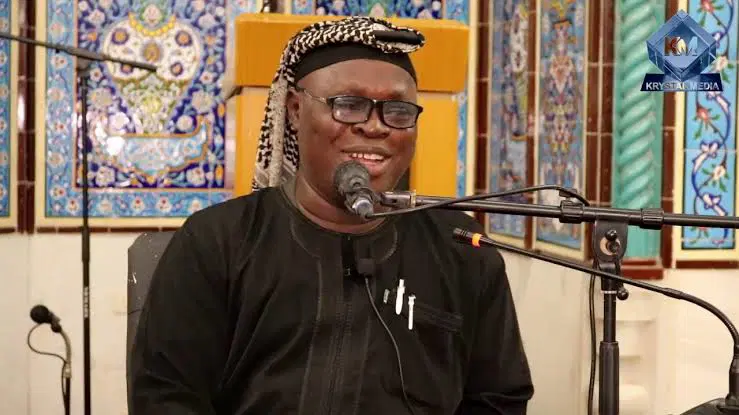
The economic and diplomatic consequence of these “selective sanctions” is the potential for increased domestic tension and a sense of “persecution” among the Muslim majority in Northern Nigeria. Professor Ishaq Akintola, Executive Director of MURIC, argued on February 12, 2026, that by targeting only Muslim figures, the U.S. is “scapegoating” one side of a complex conflict. He warned that such a biased approach could undermine the credibility of the U.S. as a neutral arbiter and potentially fuel religious extremism. From a geopolitical perspective, MURIC asserts that these sanctions are part of a “crusade-brandishing” agenda that ignores the atrocities allegedly committed by Christian militia groups against Muslims in the North Central and Southern regions.
Analytically, MURIC’s rebuttal centers on the principle of audi alteram partem the right to hear from both sides. Akintola noted that while the U.S. Congress frequently invites Christian activists and clergymen to testify, it rarely seeks out their Muslim counterparts to balance the narrative. This “one-sided investigation,” according to MURIC, has led to a false designation of Nigeria as a country perpetrating genocide against Christians. From a human rights perspective, the group claims to have 32 years of records documenting the “marginalization and denial of religious freedom” faced by Muslims in Southern Nigeria, ranging from hijab bans to discrimination in public service and political appointments.
The impact on “National Unity and Security” is a critical dimension of this discourse. MURIC has expressed “palpable fear” over what it describes as the arrival of “conversion to Christianity at gunpoint,” allegedly aided by the presence of U.S. troops on Nigerian soil. While the U.S. frames its intervention as a mission to protect religious minorities, MURIC views it as an attempt to “stem the growth of Islam.” For the Nigerian government, this creates a delicate balancing act: maintaining a strategic security partnership with Washington while managing the internal backlash from a large and politically influential Muslim constituency that feels “endangered.”
Furthermore, MURIC has called on the U.S. to “beam its searchlight” on Southern governors and government officials whom it accuses of depriving Muslims of their “Allah-given fundamental human rights.” The group lists several “atrocities” it wants the U.S. to sanction, including the denial of voters’ cards, international passports, and public health services to Muslims based on their religious attire. By expanding the list of potential targets to include Christian state actors, MURIC argues that the U.S. could prove it is not on a “recycled crusade” but is genuinely interested in objective human rights accountability across the entire federation.
The long-term economic outlook for Nigeria’s international standing hinges on how these allegations of religious persecution are resolved. If the U.S. moves forward with the Nigeria Religious Freedom and Accountability Act without addressing these concerns of lopsidedness, it could trigger a “diplomatic chill” that affects military cooperation and trade relations. For now, MURIC’s “cry to the global community” serves as a reminder that in a pluralistic society like Nigeria, international interventions must be seen as balanced and transparent to avoid exacerbating the very conflicts they aim to resolve. As the 2027 elections approach, the role of religious identity in both domestic politics and international diplomacy remains a potent and volatile factor.