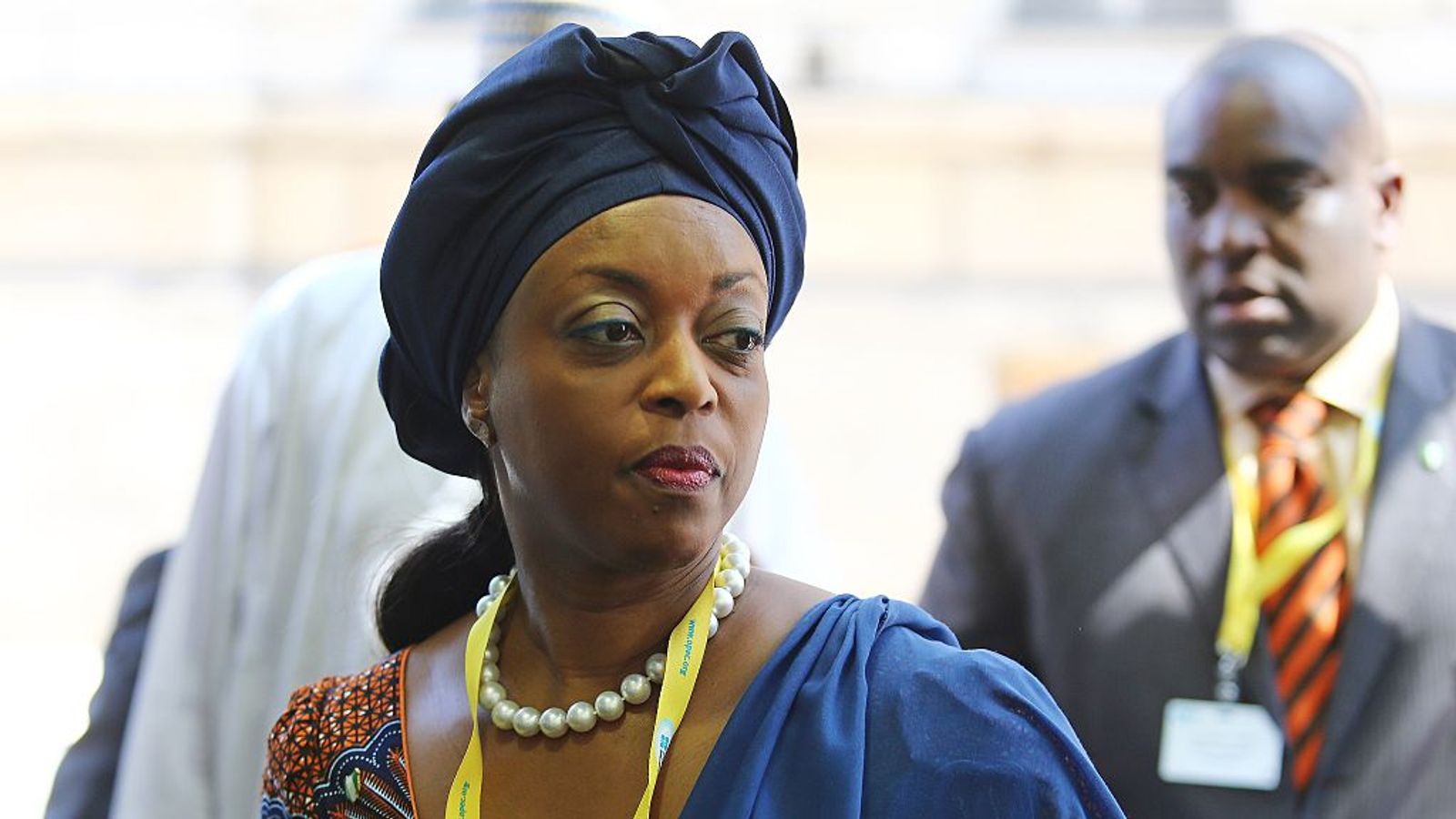

The ongoing criminal trial in London of Diezani Alison-Madueke, Nigeria’s former Minister of Petroleum Resources, has laid bare the staggering personal luxury allegedly financed by bribes connected to the nation’s oil wealth. Facing charges including five counts of accepting bribes and one of conspiracy to commit bribery, the former minister is accused of trading her influence over “multi-million-pound” oil and gas contracts for a “life of luxury in the United Kingdom”. For Nigeria, where oil revenue is the lifeblood of the national economy, this trial underscores the severe and ongoing economic damage inflicted by high-level corruption, which diverts public funds, distorts markets, and erodes the investor confidence essential for growth.
Prosecutors at Southwark Crown Court detailed a systematic scheme in which businessmen seeking lucrative contracts with the state-owned Nigerian National Petroleum Corporation (NNPC) allegedly provided Alison-Madueke with a comprehensive suite of benefits between 2011 and 2015. The scale is quantified in eye-watering detail: over £2 million spent on her behalf at the Harrods department store, where she had a dedicated personal shopper; £4.6 million for the refurbishment of luxury properties in London and Buckinghamshire; £100,000 in cash; and the funding of private jet flights, chauffeur-driven cars, and even school fees for her son. The prosecution argues these benefits, provided by individuals linked to companies like Atlantic Energy and SPOG Petrochemicals, were not innocent gifts but a direct “pay-to-play” exchange for ministerial favour.
The economic impact of such alleged corruption on Nigeria is profound and multifaceted. The oil and gas sector represents the primary source of government revenue and foreign exchange, funding national budgets and essential public services. When contracts in this sector are allegedly awarded based on bribes rather than competitive value, it represents a direct leakage of national wealth into private hands. This corruption tax inflates costs, undermines the efficiency of vital national industries, and deprives the state treasury of resources needed for infrastructure, healthcare, and education. The trial highlights how the proceeds of this alleged corruption were consumed overseas, particularly in the UK’s luxury property and retail markets, representing a capital flight that further weakens the domestic economy.
Beyond the immediate financial loss, such high-profile cases inflict long-term damage on Nigeria’s economic standing. Persistent perceptions of corruption at the highest levels of resource governance deter serious foreign direct investment, as international partners weigh legal and reputational risks. It fosters a culture of impunity that can discourage legitimate business and innovation, while the government’s parallel efforts to recover stolen assets—such as the $52.88 million repatriated from the U.S. in 2025—though commendable, are a reactive and costly administrative burden. The trial, expected to last 10-12 weeks, is also a test of transnational justice, demonstrating how global financial centres like London can be used both to harbour the proceeds of corruption and, through determined prosecution, to challenge elite impunity.
This London courtroom drama, featuring a former OPEC president, transcends the fate of one individual. It serves as a stark ledger of the economic cost of graft, itemizing how alleged bribes of luxury goods and prime real estate are ultimately subsidized by a nation’s development potential. The case reinforces the urgent need for fortified governance and transparent contract management within Nigeria’s most critical economic sector to ensure that the nation’s resource wealth serves as an engine for broad prosperity, not a fund for private extravagance.