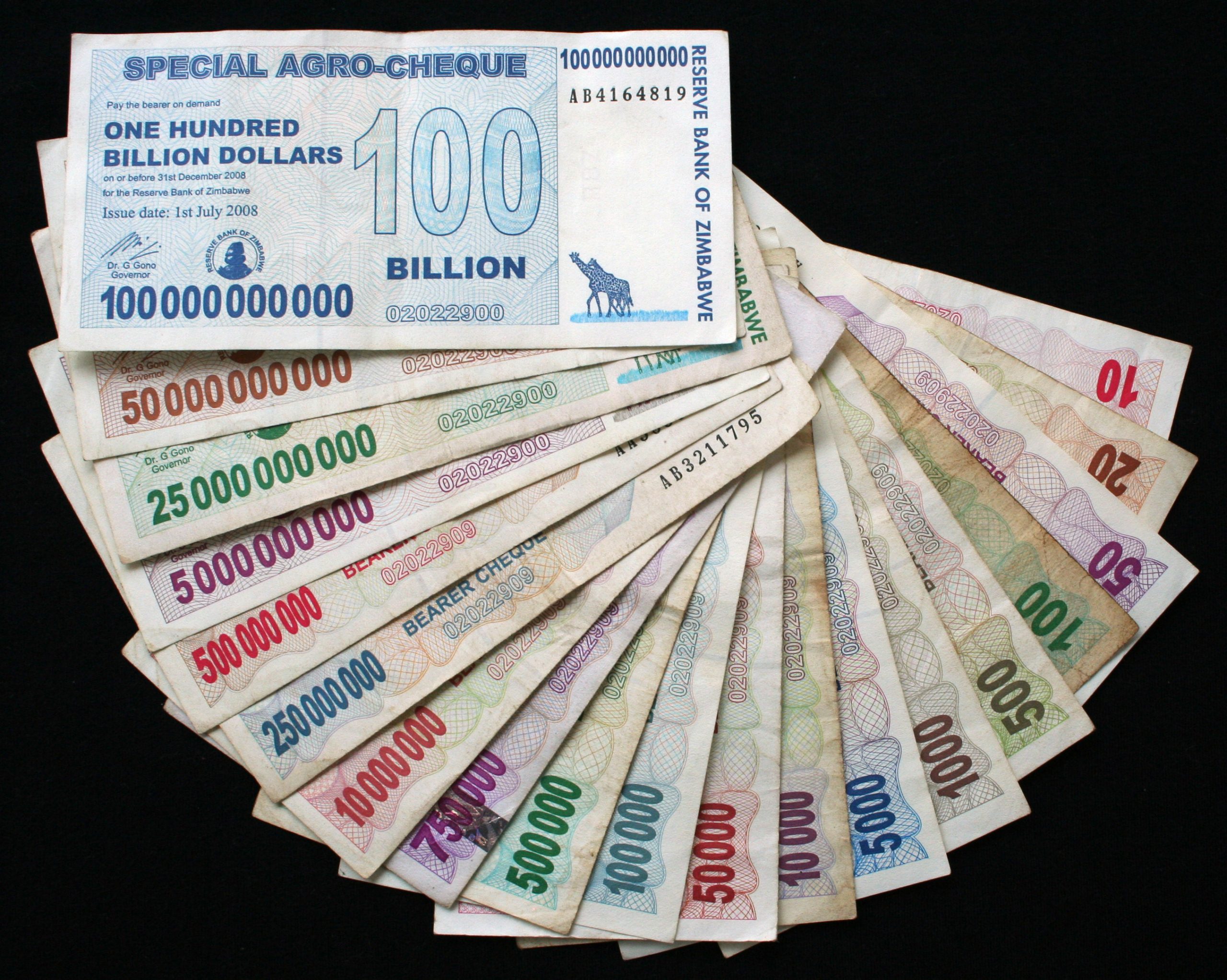

Zimbabwe has achieved a major economic milestone. In January 2026, the country’s annual inflation rate plunged into single digits for the first time since 1997, a dramatic shift from years of persistent price instability and one of the most severe inflation episodes in recent economic history. According to official data from the Reserve Bank of Zimbabwe, inflation eased to 4.1 percent in January, down sharply from 15 percent in December a staggering drop of almost 11 percentage points in just one month. Compared with the 85.7 percent peak recorded in April last year, the decline highlights the scale of the turnaround.
For decades, Zimbabwe struggled with runaway prices and currency uncertainty, becoming a cautionary example of hyperinflation and monetary instability. The return to single-digit inflation a level enjoyed by relatively stable economies signals that recent policy efforts to tame prices may finally be bearing fruit. Policymakers view the shift as foundational to broader ambitions for long-term economic stability, improved investor confidence, and greater predictability for households and businesses.
Central to this progress has been Zimbabwe’s introduction of a gold-backed currency known as the Zimbabwe Gold, or ZiG, launched in April 2024 as part of a broader effort to reduce reliance on the U.S. dollar and rein in inflation. The ZiG Zimbabwe’s sixth attempt at a functioning domestic currency since 2009 anchors its value to gold and operates under strict conditions set by the central bank. Officials have emphasized that sustained single-digit inflation and robust foreign exchange reserves are prerequisites for the ZiG to eventually become the country’s sole legal tender by 2030.
Finance Minister Mthuli Ncube described the latest inflation figures as “a historic moment” for Zimbabwe. In a statement shared with Bloomberg, he noted that it’s been nearly three decades since the country last recorded inflation this low in its domestic currency. Ncube stressed that the government remains committed to close coordination of monetary and fiscal policies to ensure that price stability endures and that the gains now being recorded are not reversed.
The decline in inflation places Zimbabwe alongside a small but growing group of African economies that have recently managed to return to single-digit inflation after enduring extended periods of economic stress. Ethiopia and Ghana, for example, have also navigated significant macroeconomic challenges to bring down prices and stabilize their respective economies. The broader trend across the continent reflects a concerted policy focus on currency stability, rebuilding investor trust, and strengthening household purchasing power in the aftermath of global shocks, including the COVID-19 pandemic and disruptions to global supply chains.
The remarkable drop in inflation has multiple implications. For ordinary Zimbabweans, lower and more predictable price increases provide relief from the relentless cost pressures that have eroded purchasing power and savings over years. For businesses, predictable costs support better planning, investment decisions, and long-term contracts. For the government and central bank, the figures lend credibility to the ongoing reforms and create a firmer platform for further economic progress.
Nevertheless, authorities acknowledge that the journey ahead requires vigilance. Sustaining single-digit inflation will depend on continued sound policy implementation, disciplined fiscal management, and efforts to build up foreign exchange reserves to meet import needs conditions that underpin confidence in the ZiG and Zimbabwe’s broader economic strategy.