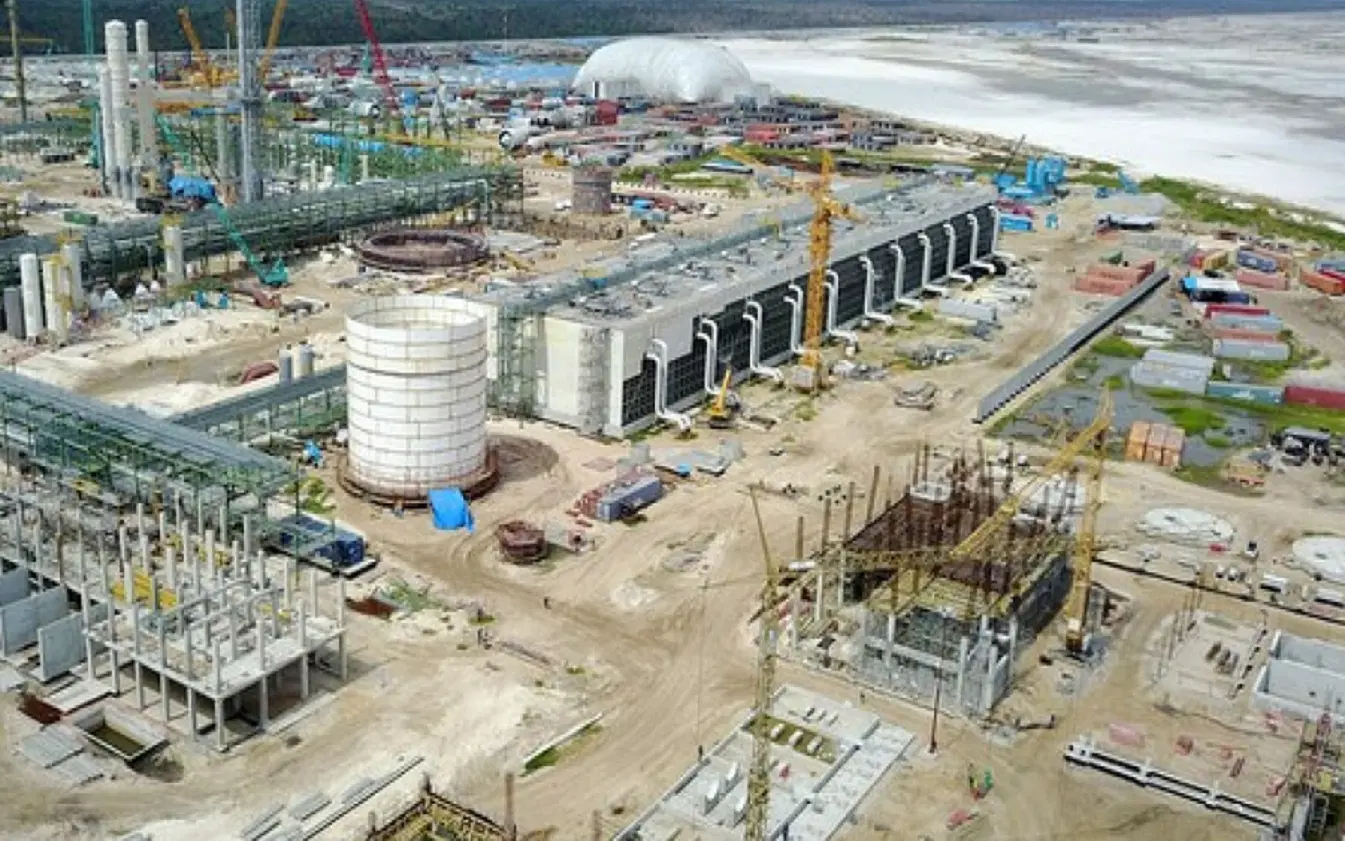

The Dangote Petroleum Refinery, despite its status as a monumental achievement in Nigeria’s industrial landscape, is grappling with operational challenges that could cap its output in the first half of 2026. A new report by I&E Petroleum Group highlights a critical bottleneck in the facility’s Residue Fluid Catalytic Cracker (RFCC) unit, a key component designed to maximize the yield of high-value fuels like gasoline.
According to the analysis, the RFCC unit is currently operating below optimal efficiency due to technical snagging issues typical of massive greenfield projects. The unit is pivotal because it processes heavier petroleum fractions into lighter, more valuable products. Without it running at full tilt, the refinery’s ability to produce premium motor spirit (PMS) in the quantities initially projected remains constrained. The report estimates that until these technical hurdles are cleared, the refinery may struggle to exceed 70% of its nameplate capacity during the first six months of the year.
The implications of this bottleneck are rippling through the domestic market. Marketers had anticipated a seamless flood of locally refined petrol to stabilize prices and end scarcity. However, the reduced throughput means that while diesel and aviation fuel supplies remain robust, the volume of PMS entering the market is not yet sufficient to completely displace imports or crash pump prices as many Nigerians had hoped.
Aliko Dangote, the refinery’s chairman, has reportedly mobilized a team of international engineers to expedite the troubleshooting process. Sources close to the operations suggest that a permanent fix is prioritized for Q3 2026, which would then allow the plant to ramp up to its full 650,000 barrels per day capacity. In the interim, the facility continues to export significant quantities of fuel oil and naphtha, generating foreign exchange but leaving the domestic hunger for gasoline only partially sated.
Industry observers note that these “teething problems” are not uncommon for a complex of this magnitude—the largest single-train refinery in the world. However, the timing is delicate. With the Nigerian government having removed fuel subsidies and the naira floating freely, the public’s patience for promised relief is thinning. The refinery’s performance is not just a corporate metric; it is a barometer for national economic stability. As the engineering teams work around the clock, the market watches closely, knowing that the clearing of this single bottleneck stands between the current volatility and the promise of energy self-sufficiency.