
The United Kingdom has declined an invitation from U.S. President Donald Trump to join a newly conceived international “Board of Peace” focused on Gaza and broader global conflict resolution a decision rooted chiefly in concerns about the role of Russian President Vladimir Putin in the initiative. The British government’s refusal to sign up to the body at its launch this week reflects widening unease among Western allies over the structure, scope and political implications of the project.
The board is a centerpiece of Trump’s efforts to build international backing for his 20-point peace plan for the Middle East and especially Gaza, which has been in a fragile ceasefire after years of conflict. Trump intends to stage a formal signing ceremony in Davos, Switzerland, alongside the World Economic Forum, where he has been actively promoting the proposal.
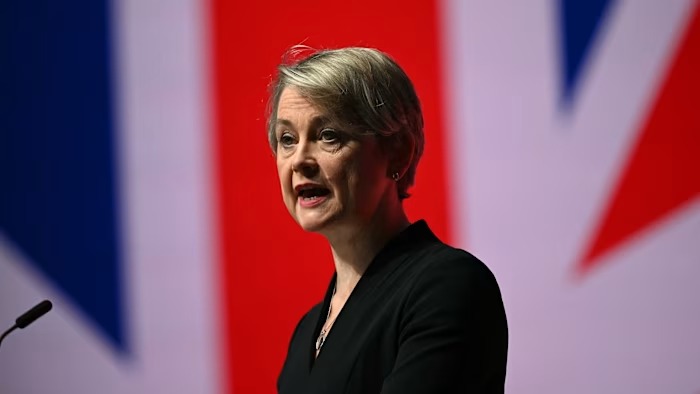
But Britain will not be among the initial signatories. Speaking on BBC Breakfast, British Foreign Secretary Yvette Cooper said the UK government had “concerns” about Putin’s anticipated inclusion on the board particularly while Russia continues its military campaign in Ukraine. Cooper emphasized that any treaty on peace must rest on clear commitments from all participants, and she stated there had been no indication from Putin that he intends to pursue peace in Europe’s ongoing war.
Cooper also described the peace board agreement as a legal treaty that raises “much broader issues” than simply advancing the ceasefire in Gaza. The UK, she said, intends to keep engaging with international partners on how best to support peace efforts both in the Middle East and beyond, even if it won’t be signing the board’s founding document at this stage.
Britain’s stance places it in company with several other European nations, including France, Norway and Sweden, which have similarly declined to participate in the initiative for now, citing comparable legal and political concerns as well as wariness about the board’s potential implications for established international institutions.
Trump, meanwhile, has pushed ahead with the board concept as a means of galvanizing global support for a ceasefire, reconstruction and future governance framework for Gaza. He has described it as “the most prestigious board ever formed,” with ambitions extending beyond the immediate conflict to other global disputes. The initiative has attracted interest from some leaders in the Middle East and beyond, though its reception among long-standing U.S. allies in Europe has been mixed.
Critics argue the board could duplicate or even undermine the role of the United Nations in peace negotiations, especially since its founding charter reportedly does not specifically reference Palestinian territories, raising questions about its focus and legitimacy. Others see it as a strategic move by the U.S. to reassert influence in global diplomacy outside traditional multilateral frameworks.
For the UK government, the core issue remains the inclusion of leaders like Putin, whose ongoing conflict in Ukraine complicates the moral and political basis for a peace-focused body. London says it remains committed to supporting peace in Gaza and continues to engage with allies on the next steps, even as it stands aside from Trump’s newly launched board.