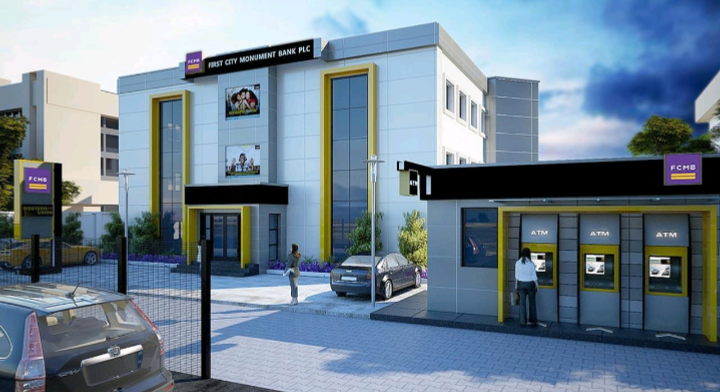

First City Monument Bank (FCMB) Group Plc has hit a major milestone in Nigeria’s sweeping banking sector recapitalisation effort, successfully surpassing the minimum national capital threshold and securing its national banking licence, a critical step that affirms the bank’s ongoing financial strength and strategic direction.
The Central Bank of Nigeria (CBN) introduced tougher capital rules in 2024, requiring lenders to raise their paid-up capital to new levels by the March 31, 2026 deadline to ensure resilience and support broader economic growth. Under this regime, banks must hold at least N500 billion for an international licence or N200 billion for a national licence.
FCMB reached the national benchmark of N200 billion by completing a N147.5 billion public offer in 2024, a major capital exercise that cushioned its domestic operations and allowed it to continue providing uninterrupted banking services across Nigeria.
According to the bank, “Securing the national licence places FCMB ahead of the minimum requirement for domestic operations and ensures continuity as the recapitalisation process progresses.” This statement highlights the bank’s achievement in meeting regulatory expectations while laying the groundwork for future growth.
However, this is not FCMB’s final destination. The Group is actively preparing to meet the higher N500 billion requirement for international banking status, a move that would unlock new markets and expand its presence beyond Nigeria’s borders. Initiatives to achieve this include a N160 billion capital offer launched in late 2025 and a broader shareholder-approved programme to raise up to N400 billion, pending regulatory approval.
The recapitalisation trend is reshaping Nigeria’s banking landscape, prompting mergers, divestments, and strategic repositioning across the sector. While larger banks like Zenith and Access have already exceeded the international threshold, many mid-tier lenders are recalibrating their business models to stay viable under the new CBN regime.
This recapitalisation drive is not just regulatory, it’s economic. Strengthening bank balance sheets enhances lending capacity, boosts investor confidence, and supports financing for infrastructure, trade, and energy sectors, which in turn could stimulate GDP growth and create jobs as Nigeria pursues broader economic reforms.
In summary, FCMB’s success in securing its national licence reflects a proactive response to regulatory reforms and a major stride toward unlocking future international opportunities, reinforcing the bank’s long-term competitiveness in Nigeria’s evolving financial sector.