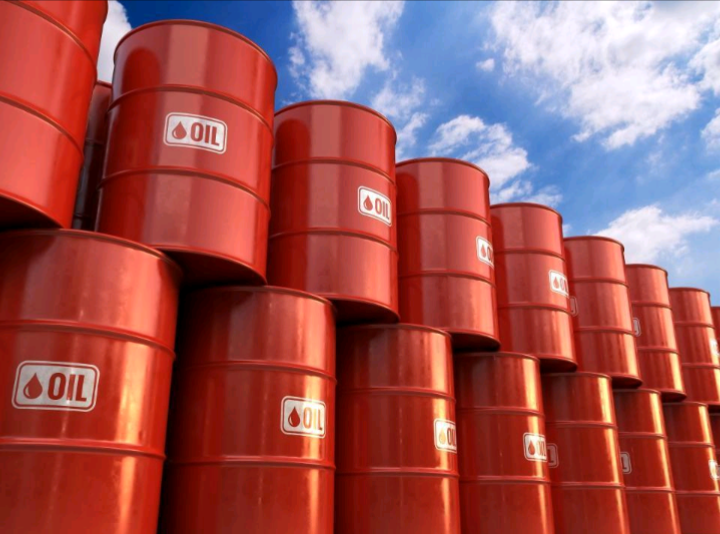

Nigeria’s economic planning for 2026 has hit an early challenge as the price of crude oil in global markets dropped below the level the government used to prepare its annual budget. This development comes at a time when the country relies heavily on oil exports for its foreign exchange earnings, government revenue, and financial stability.
“Global oil prices fell below levels critical to Nigeria’s fiscal planning on Wednesday, as fears of an oversupplied market combined with renewed geopolitical tensions to weigh on investor sentiment.”
Brent crude, the international benchmark that largely determines what Nigeria earns for its oil exports, has slid to levels lower than the $64.85 per barrel price assumption underpinning the 2026 national budget. This slide reflects broader market concerns that supply could outpace demand in the near term, a trend that has taken many oil-exporting nations by surprise.
Nigeria’s economy is deeply tied to oil. For decades, crude exports have been the backbone of government revenue, accounting for a significant share of foreign exchange earnings and fiscal receipts. When oil prices are high, Nigeria receives more dollars for each barrel it sells, helping to fund everything from infrastructure to social services. But when prices slip, this financial balance is shaken.
“Brent has dropped this morning to below $60 per barrel for the first time in months, as the market assesses a potential peace deal resulting in additional Russian volumes becoming available and oversupplying the market further,” an analyst told reporters, underlining how global geopolitics and market expectations are affecting prices.
The timing of this price drop is especially challenging. The Senate of Nigeria recently reviewed the 2026 budget’s key assumptions and, recognizing the volatility in the oil market, reduced the oil price benchmark from $64.85 to $60 per barrel to make revenue projections more realistic. But even this revised benchmark may be tested if prices remain depressed or continue downward.
Economists have warned that weaker oil prices could have broader economic effects beyond government revenue. Lower foreign exchange earnings tend to put pressure on the naira, Nigeria’s currency, by reducing the inflow of hard currency into the economy. A weaker naira can make imports more expensive, push up inflation, and erode purchasing power for ordinary households.
On top of price volatility, Nigeria’s oil production levels have also struggled to hit targets. Recent data show that average crude output has fallen below key benchmarks, which compounds revenue shortfalls when combined with weaker global prices.
“Maintaining a $64.8 benchmark could exacerbate the existing fiscal deficit of approximately ₦2.1 trillion and reducing the projection to $60 per barrel is the best thing to do if we really want to fund the 2026 budget responsibly,” a lawmaker explained, reflecting concerns over budget feasibility under current market conditions.
In addition to these direct fiscal effects, the broader Nigerian economy could feel ripple effects in investment, trade, and monetary policy. Lower oil receipts may force deeper borrowing, which could increase debt service costs and reduce public spending on priority sectors. In recent years, high allocations for debt servicing have been singled out as a major pressure point for the national budget.
At the same time, analysts emphasize the importance of diversifying Nigeria’s economy away from crude dependence. A sustained period of lower oil prices could strengthen calls for reforms that boost other sectors, such as agriculture, manufacturing, and services, in order to create more stable and diversified revenue streams.
Falling oil prices weaken Nigeria’s fiscal outlook, narrowing foreign exchange inflows that support the naira and budget financing. Lower revenue increases borrowing pressure and heightens fiscal deficits, challenging monetary stability and potentially forcing cuts in public spending or higher taxes, unless non-oil growth accelerates.