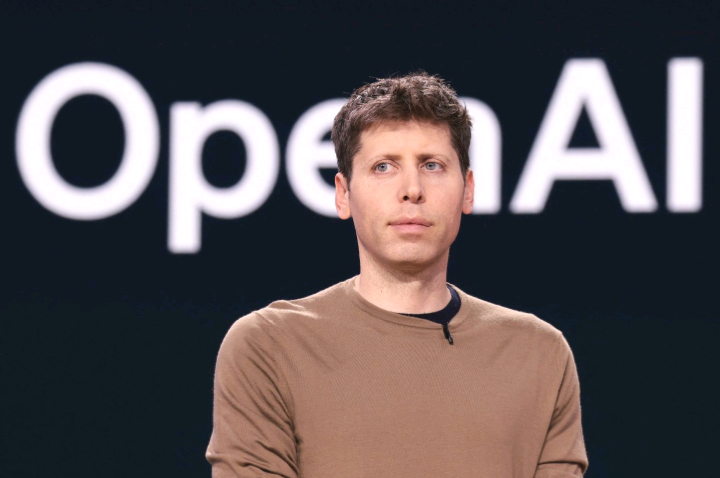

OpenAI, the creator of ChatGPT, is preparing to introduce advertising inside its widely used AI chatbot, beginning with a phased test that starts in the United States and will expand globally. The company says this marks a significant change in how it plans to fund its operations, support free access, and attract a broader audience while attempting to safeguard user trust and privacy.
This strategy aims to strike a delicate balance between monetizing one of the world’s most popular generative AI tools and maintaining the integrity of the user experience. Until now, OpenAI has focused primarily on subscription sales, like the newly global ChatGPT Go plan but the high costs of running and developing powerful AI models have made new revenue streams increasingly important.
According to a Nairametrics report, the initial ad test will target users of ChatGPT’s free tier and the relatively inexpensive Go subscription, with users on higher-end plans such as Plus, Pro, Business, and Enterprise remaining ad-free. OpenAI has stated that advertisements will be clearly labeled and displayed separately from the platform’s responses, so they do not interfere with the chatbot’s informational output.
In a post on social media, CEO Sam Altman outlined key principles guiding this change: “Most importantly, we will not accept money to influence the answer ChatGPT gives you, and we keep your conversations private from advertisers.” He explained that OpenAI hopes this model will let more people use AI without paying for it while still making the ads genuinely useful. “It is clear to us that a lot of people want to use a lot of AI and don’t want to pay, so we are hopeful a business model like this can work.”
To protect users, OpenAI said that ads will not appear for people under 18 and will be excluded from sensitive topics like health, mental health, and politics. Users will also be able to see why an ad is being shown, dismiss ads they find irrelevant, and give feedback to OpenAI about their advertising experience.
This cautious approach comes amid tens of billions of dollars already tied up in AI infrastructure and research. OpenAI struck more than $1.4 trillion in infrastructure commitments in 2025 alone, and industry reports say the company was on track for a roughly $20 billion annualized revenue run rate last year. Still, the cost of scaling and competing in AI remains enormous, a reality that has prompted many tech firms to diversify how they make money.
From an economic perspective, advertising could become a critical revenue stream for OpenAI as it battles rising operating costs and seeks long-term sustainability. By tapping into AI-driven ad placements, the company hopes to convert its massive user base, hundreds of millions of weekly active users, into a new source of recurring income.
Industry observers note that advertising has historically been a lucrative business for big tech; for example, Meta and Google continue to generate the majority of their revenue from digital ads, with platforms like YouTube and Instagram showing steady ad growth even amid economic slowdowns.
OpenAI’s approach tries to avoid pitfalls seen in earlier generations of advertising-driven platforms by giving users control over personalization settings and promising not to sell private conversations to marketers. Still, some critics warn that even clearly labeled ads could erode trust if they feel intrusive or opportunistic, potentially driving users toward competing AI services that emphasize ad-free engagement.
As ChatGPT rolls out its ad experiment over the coming weeks, the company will likely gather insights on user reactions, ad performance, and whether this monetization strategy can balance accessibility with financial viability. The results could influence not just OpenAI’s future business model but also how other generative AI firms think about funding open access to their technologies.