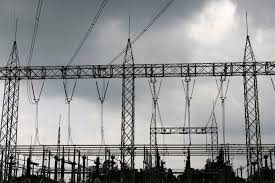

Nigeria’s grid-based electricity generation declined by 7.15% quarter-on-quarter in the third quarter of 2025, underscoring the persistent structural weaknesses in the country’s power sector and their growing economic implications. According to the Nigerian Electricity Regulatory Commission (NERC), average hourly power output fell to 4,179.15 megawatts (MW) in Q3, translating to total generation of 9,227.57 gigawatt-hours (GWh), compared with 9,830.31GWh recorded in the preceding quarter. The decline represents a loss of 602.74GWh, further constraining electricity supply in Africa’s largest economy.
NERC’s latest quarterly report shows that 20 power plants recorded declines in average hourly generation during the period. The most significant drops were observed at major facilities including Ihovbor, Geregu, Egbin, Kainji and Sapele, which together account for a substantial share of Nigeria’s installed generation capacity. While a handful of plants, such as Okpai and Jebba, posted modest gains, these improvements were insufficient to offset widespread reductions across the grid.
The regulator attributed the fall in output largely to mechanical outages and gas supply constraints, challenges that continue to weigh heavily on Nigeria’s predominantly thermal power fleet. Gas-fired plants account for the bulk of grid electricity, leaving generation highly exposed to disruptions along gas supply chains, including pipeline vandalism, maintenance shortfalls and payment disputes within the sector.
Beyond the technical explanations, the decline highlights deeper, long-standing issues in Nigeria’s electricity market. Despite having an installed capacity exceeding 13,000MW, effective generation rarely surpasses 5,000MW, with transmission and distribution bottlenecks further limiting the power that ultimately reaches homes and businesses. Q3’s decline suggests that even this constrained baseline is proving difficult to sustain amid ageing infrastructure and weak sector coordination.
The economic implications are significant. Electricity shortages continue to impose a high cost on productivity, particularly for manufacturing, small businesses and service providers that rely on self-generated power to bridge supply gaps. Nigeria already ranks among the world’s most generator-dependent economies, with firms spending billions of naira annually on diesel and petrol to maintain operations. A sustained dip in grid generation risks deepening these costs at a time when businesses are already grappling with high inflation, currency volatility and elevated borrowing costs.
For households, reduced grid output often translates into longer outages and higher energy expenses, as families turn to generators, inverters or alternative fuels. This erodes disposable income and exacerbates energy poverty, particularly for low-income households. In urban centres, where demand growth has been strongest, unreliable electricity also undermines the expansion of digital services, cold storage, and other power-sensitive activities critical to economic diversification.
The timing of the decline is also notable. Nigeria has been seeking to stabilise its macroeconomic environment following recent reforms, including changes to fuel subsidies and exchange rate management. Reliable electricity is central to these efforts, as power availability directly affects inflation dynamics, industrial output and investor confidence. Weak grid performance risks blunting the impact of broader economic reforms by keeping operating costs high and discouraging new investment in energy-intensive sectors.
Gas supply constraints remain a central challenge. While Nigeria holds some of the world’s largest proven gas reserves, translating this resource into reliable power generation has proved elusive. Issues ranging from underinvestment in gas infrastructure to pricing disputes between gas suppliers and power producers continue to disrupt supply. Without stronger enforcement of gas supply obligations and improved commercial incentives, thermal generation is likely to remain volatile.
Mechanical outages, meanwhile, point to chronic underinvestment in maintenance and refurbishment. Several of Nigeria’s power plants are operating below optimal capacity due to ageing equipment and delayed overhauls. Addressing this will require not only capital expenditure but also stronger governance and financial discipline across the electricity value chain, particularly in the distribution segment, where revenue shortfalls limit cash flows upstream.
NERC has repeatedly emphasised the need for sustained investment and structural reforms to stabilise generation. However, progress remains uneven. While some gains have been made through incremental capacity additions and regulatory adjustments, the Q3 figures suggest that these efforts are yet to deliver durable improvements in supply.
As Nigeria’s population and economy continue to grow, the gap between electricity demand and reliable supply is set to widen unless underlying constraints are addressed. The latest decline in generation serves as a reminder that without resolving gas supply issues, upgrading ageing infrastructure and strengthening market discipline, Nigeria’s power sector will remain a drag on economic growth rather than a driver of it.