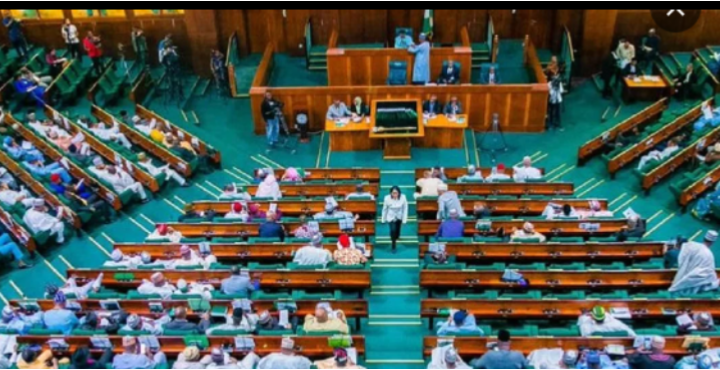

Nigeria’s National Assembly has taken an unusual yet strategic step to address long-standing challenges in the country’s budgeting process. In late December 2025, the House of Representatives approved the repeal and re-enactment of the 2024 and 2025 Appropriation Acts, a move designed to improve how the government plans, implements, and monitors public spending.
According to lawmakers, the main aim of this decision is to eliminate the confusion and inefficiencies caused by overlapping budget cycles that have plagued Nigeria’s fiscal system for years. These overlapping cycles have meant that multiple budgets, including parts of previous years’ budgets, are often being implemented simultaneously, creating confusion about which funds should be used for ongoing projects and when.
Why Repeal and Re-enact Budgets?
The House’s Deputy Spokesperson, Rep. Philip Agbese, said the repeal and re-enactment process is intended to make Nigeria’s budgeting system more transparent, accountable, and aligned with global best practices. He emphasized that the reform will help streamline the budgeting calendar, making it easier to manage and execute budget plans efficiently.
One of the core reasons for this drastic action is that running multiple budget cycles concurrently has led to fiscal confusion and poor implementation of government projects. Analysts and lawmakers have pointed out that the performance of capital projects in 2025 was especially weak because funds were spread across different timelines and budgetary frameworks.
By consolidating the budgets, the government hopes to create a single, predictable cycle. This will make it easier for ministries, departments, and agencies to plan their activities and access funds in a timely manner. According to Rep. Agbese, a unified cycle will help improve cash flow management and reduce the oversight burden during budget execution.
Moving Toward a Single Budget Cycle
The repeal and re-enactment are key steps toward establishing a single national budget cycle starting after March 31, 2026. Under the new framework, the 2025 budget will be extended to March 31, 2026, effectively merging the end of the current cycle with the new fiscal year. This extension allows for smoother transitions and reduces the administrative stress of switching abruptly from one budget to another.
President Bola Tinubu has been a strong advocate for this reform. His administration argues that a single budget cycle makes it easier to ensure projects are fully funded on time, reduces abandoned projects, and prevents overlaps in funding. This approach also aligns Nigeria’s fiscal calendar more closely with international budgeting standards.
Supporters of the reform also believe it will enhance accountability and transparency. A unified budget cycle simplifies tracking government expenditures and makes it easier to identify when funds are released and how they are used. This could help build greater public trust in government financial management.
What This Could Mean for the Economy
From an economic perspective, ending multiple overlapping budgets may help improve investor confidence and fiscal discipline. A more predictable budget cycle can reduce uncertainty for businesses and could support better planning by both the public and private sectors. Stable fiscal planning is often associated with stronger economic growth and enhanced revenue generation, which are crucial for Nigeria’s ongoing recovery efforts.
Challenges and Questions Ahead
Despite the positive intentions behind the reform, questions remain. Experts note that simply re-enacting budgets does not guarantee better execution if underlying issues such as revenue shortfalls, weak capital releases, and bureaucratic delays are not resolved. Nigeria’s budgets have often struggled with implementation even when timelines are clear, largely due to limited revenue inflows and competing spending priorities.
There are also concerns about how extending the 2025 budget into 2026 will impact the upcoming 2026 Appropriation Act, particularly since the President has already presented that budget without a full performance report on the current year’s allocations. This has raised some transparency concerns among analysts.
Looking Ahead
If Nigeria successfully moves to a unified budget cycle in 2026, it could mark a turning point in the country’s fiscal management. Reducing budget overlaps and improving the timing of releases could strengthen public finance management, enhance project execution, and ultimately support broader economic stability. However, much will depend on how well these changes are implemented and whether they are supported by stronger revenue generation and efficient public spending practices.