
In a renewed effort to strengthen the nation’s health system, the Federal Government of Nigeria has approved a fresh disbursement of N32.9 billion to Primary Healthcare Centres (PHCs) across the country under the Basic Health Care Provision Fund (BHCPF). This funding is part of the government’s ongoing strategy to support broad access to basic health services and improve health outcomes for millions of Nigerians.
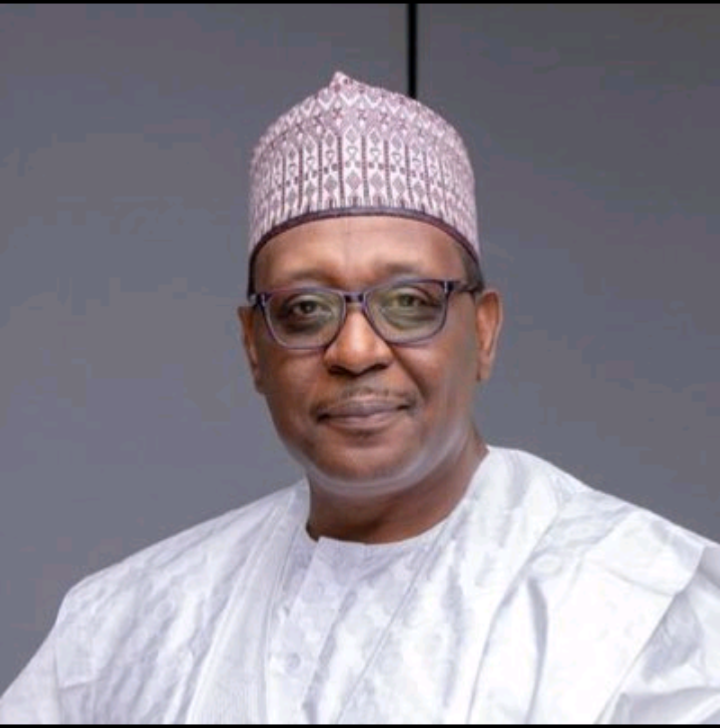
The announcement came from the Coordinating Minister of Health and Social Welfare, Prof. Ali Pate, during a meeting of the Ministerial Oversight Committee (MOC) in Abuja. He explained that this sum was approved for Quarter Four (Q4) of 2025, and the release of funds will begin in January 2026.
According to the BHCPF statement, this decision is aligned with the updated BHCPF 2.0 Guidelines, a revised framework designed to increase accountability, enhance transparency, and make sure that the money reaches the grassroots where it is most needed. The inclusion of modern governance practices in the BHCPF 2.0 Guidelines aims to strengthen performance-based financing and improve service delivery.
One of the notable decisions from the committee was the establishment of a Citizens’ Response Centre (CRC). This new platform is intended to give ordinary Nigerians a voice in the health sector by enabling them to ask questions, lodge complaints, and share feedback on health services, including those financed by BHCPF.
Officials also highlighted efforts to expand **local government involvement by officially including the Association of Local Government of Nigeria (ALGON) in the oversight committee. This move aims to foster greater ownership, increase accountability, and ensure that local communities have more influence over how health resources are used.
The BHCPF was created under the National Health Act and is regarded as one of Nigeria’s most important tools for achieving Universal Health Coverage (UHC). It is intended to reduce out-of-pocket health spending while making essential health services more accessible, especially for underserved populations. Analysts believe that predictable and sustained financing under the BHCPF can help reduce inequality in health access across regions.
Nigeria’s primary healthcare system has historically faced major challenges, including underfunding and heavy reliance on out-of-pocket payments by citizens. Data shows that private spending accounts for a large share of total health expenditure, with many Nigerians pushed into poverty due to health costs. Investments like the BHCPF are meant to change this dynamic by providing structured public funding for essential health services.
In making the announcement, Prof. Pate emphasised that the government’s focus “is not just on spending money, but on results, on making sure that funds reach the frontline and translate into real services for mothers, children and communities.” This comment reflects a broader shift toward performance accountability in public spending where funding is tied to measurable improvements in service delivery rather than simply distributing cash.
Beyond improving health outcomes, the revitalisation of PHCs has economic spillovers. Strengthened primary healthcare can reduce disease burden, boost worker productivity, and lessen costly hospital admissions, all of which support broader economic growth and reduce long-term public health costs. Stable and predictable health financing also boosts investor confidence in Nigeria’s social infrastructure.
The federal government’s clear commitment to regular funding, routine oversight, and partnerships with civil society groups shows that health reform remains at the forefront of policy priorities. The expansion of local oversight structures and the CRC is also intended to deepen public engagement and ensure that citizens are active participants in shaping health services.
In summary, the fresh disbursement of N32.9 billion represents more than just funding, it reflects a broader government effort to make health financing more transparent, accountable, and effective in improving outcomes for Nigerians across communities.