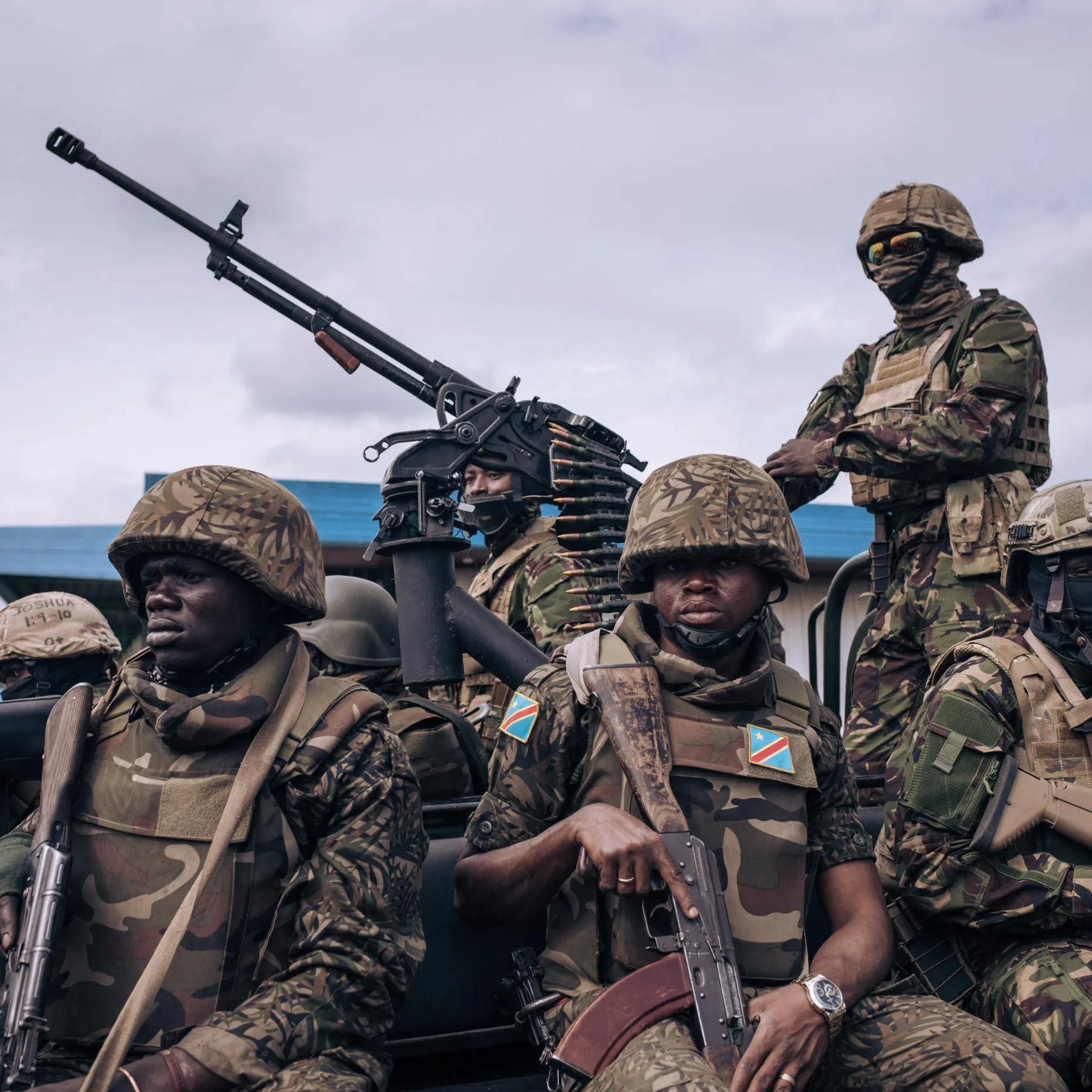

More than 400 civilians have been killed in eastern Democratic Republic of Congo amid a rapid escalation in fighting as the Rwanda-backed M23 rebel group advanced deeper into South Kivu, regional officials reported. The insurgents captured the strategic lakeside city of Uvira on Wednesday, displacing approximately 200,000 residents and severely undermining a U.S.-brokered peace agreement signed just last week by the Congolese and Rwandan presidents.
Authorities in South Kivu stated that at least 413 people were killed by gunfire and shelling in the corridor between Uvira and Bukavu. Officials accused Rwandan special forces and foreign mercenaries of violating both the ceasefire and the recent accords negotiated in Washington and Doha. Sporadic gunfire persisted on Thursday as civilians cautiously ventured out to search for food, highlighting the continued humanitarian strain in the region.
The U.S. has called on Rwanda to withdraw its forces and end its alleged support for the M23, which is now estimated to have roughly 6,500 fighters. Kigali has consistently denied backing the rebel group and countered by accusing Kinshasa of breaching the truce. The intensification of violence has compounded the long-standing instability in eastern Congo, a region already grappling with decades of armed conflict and displacement. The ongoing hostilities have now forced more than seven million people across eastern DRC from their homes, deepening a humanitarian crisis that threatens food security, healthcare access, and basic services.
The strategic significance of Uvira underscores why its capture has sent shockwaves through both local and international observers. Situated on the shores of Lake Tanganyika, the city serves as a critical transport hub linking eastern Congo with Burundi and Tanzania. Control of the city gives the M23 insurgents a logistical advantage, enabling the movement of fighters, weapons, and supplies while further isolating Bukavu, the provincial capital. Analysts suggest that the seizure of Uvira also has wider economic implications, potentially disrupting regional trade, fisheries, and cross-border commerce that communities in South Kivu rely upon for livelihoods.
The violence threatens to unravel fragile diplomatic progress in the region. The U.S.-brokered peace deal, intended to halt hostilities and establish mechanisms for monitoring and enforcement, now faces serious challenges. Both the Washington and Doha agreements emphasised withdrawal of foreign forces, cessation of attacks, and a framework for the reintegration of rebel groups. The M23 offensive and reports of foreign mercenary involvement cast doubt on the feasibility of enforcing these commitments, raising questions about the credibility of international mediation efforts.
Humanitarian consequences are immediate and severe. Displaced populations face overcrowded camps, insufficient food supplies, and limited access to healthcare, compounding vulnerability to disease outbreaks and malnutrition. Humanitarian agencies report difficulties delivering aid due to ongoing insecurity and threats to personnel. Women, children, and the elderly are particularly at risk, as displacement often exacerbates protection concerns, including gender-based violence and exploitation.
Politically, the resurgence of M23 activity threatens to destabilise eastern DRC further and may inflame tensions between Kinshasa and Kigali. The conflict risks reigniting broader regional disputes, drawing in neighbouring states, and potentially affecting multinational economic projects, including mining operations, infrastructure initiatives, and cross-border trade. The involvement of foreign actors in the conflict highlights the persistent challenges of sovereignty, regional security coordination, and accountability in eastern Congo.
Without any iota of doubt, the M23’s rapid advance in South Kivu has resulted in significant civilian casualties, mass displacement, and the destabilisation of key urban and economic centres. The offensive undermines recent peace agreements, challenges regional security frameworks, and intensifies the humanitarian crisis in eastern DRC. The international community faces mounting pressure to enforce ceasefire agreements, support displaced populations, and stabilise a region whose fragility continues to have consequences for both Congolese citizens and broader Central and East African stability.