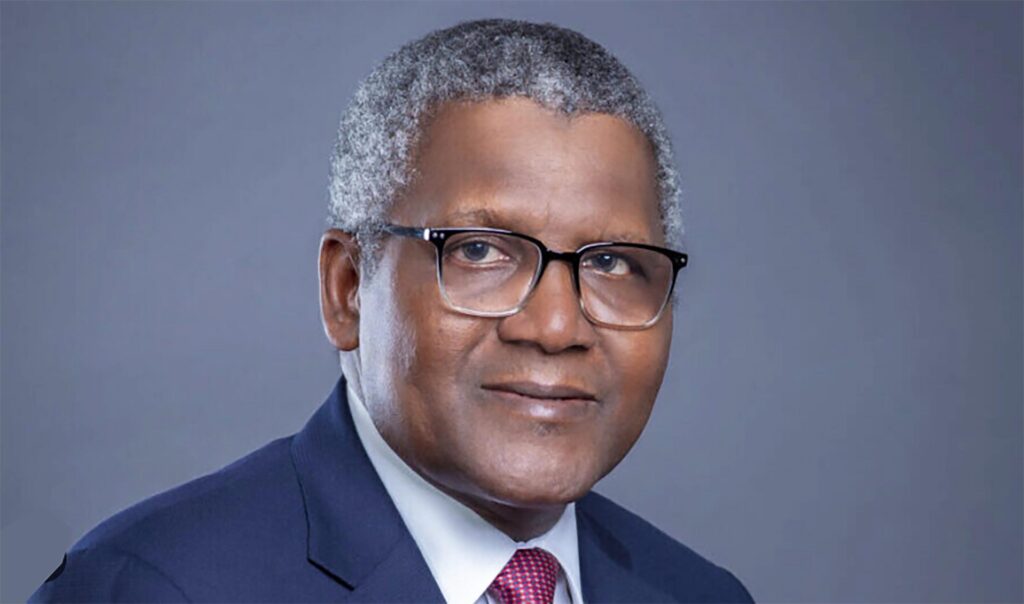

Africa’s richest man, Aliko Dangote, has committed $700 million to expand access to education and skills training across Nigeria, a decade-long pledge he unveiled at the 2025 Doha Forum in Qatar.
Speaking alongside Bill Gates and Sheikha Al Mayassa during discussions on the future of human development on the continent, Dangote said the new fund, to be launched through his foundation, aims to support more than 155,000 students in secondary schools and universities and ultimately reduce the country’s vast number of out-of-school children. He cast the programme as a practical attempt to raise household incomes and strengthen the foundations of long-term economic growth.
He reflected on his past collaborations with the Bill and Melinda Gates Foundation, including Nigeria’s battle to eliminate polio, and said the new education fund responds to one of the region’s most pressing gaps: training. With the initial plan set for ten years before a review, he noted that industrial examples already exist within his group.
The Dangote Petrochemical project, which feeds into the company’s 160,000-barrel-per-day refinery, has trained more than 50,000 Nigerians for operational roles, many of whom are expected to continue contributing as the complex scales up.
The pledge adds to a long record of philanthropy. With an estimated net worth of about $30 billion, Dangote has built West Africa’s largest industrial conglomerate across cement, sugar, salt, petrochemicals and refining. His foundation, endowed with $1.25 billion in 2014, remains the largest private foundation in sub-Saharan Africa and has financed health, education and economic development programmes across the continent since 1994.
Its contributions to Nigerian education include support worth N1 billion for universities, ranging from a business school at Bayero University to backing for the proposed Otuoke University in Bayelsa State, as well as new student hostels at Ahmadu Bello University in Zaria.
As households continue to struggle with rising food costs, the foundation recently broadened its $10 million National Food Intervention Programme, distributing rice to communities in the Federal Capital Territory and Kogi State. The latest move into large-scale education funding is framed as part of a broader strategy to stabilise skills, lift incomes and protect Nigeria’s productive capacity at a time of global economic pressure.