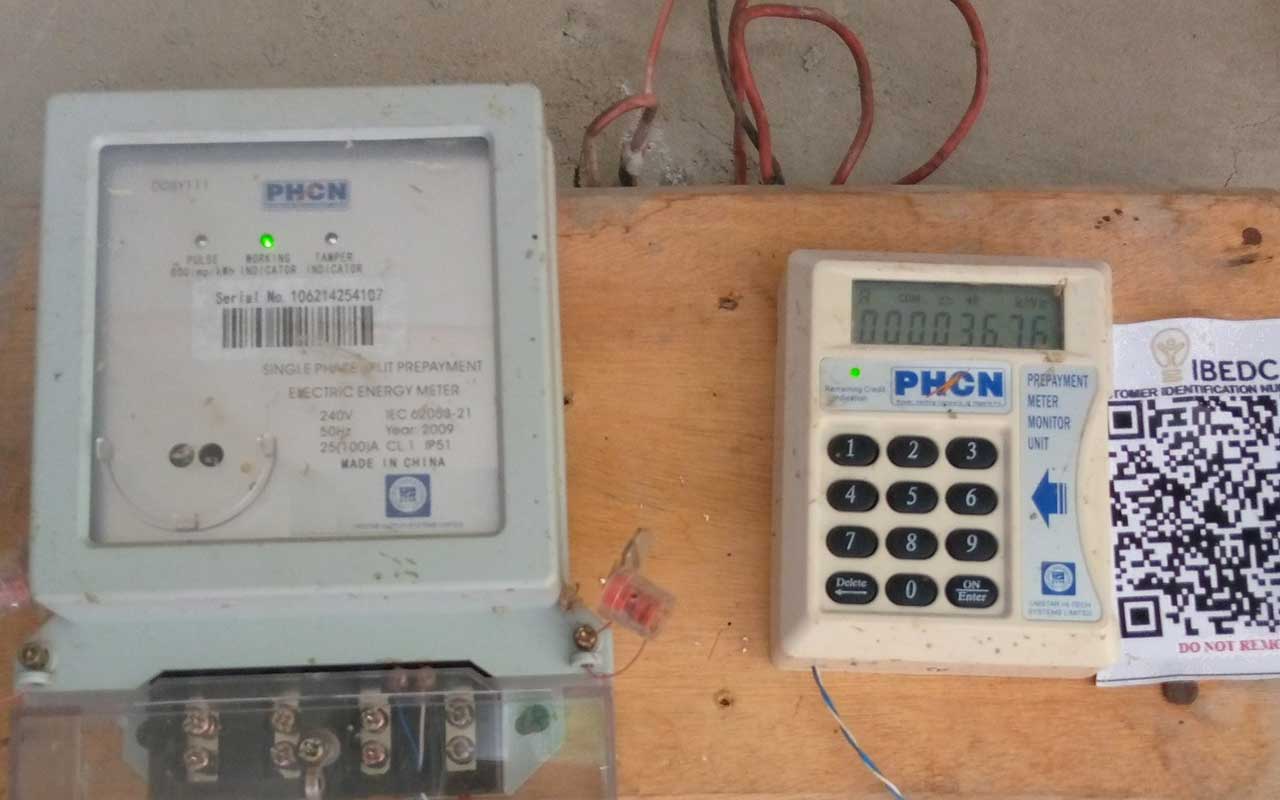

Nigeria’s aggressive campaign to bridge its colossal electricity metering gap has been significantly hampered, not by a scarcity of imported devices, but by a critical shortage of skilled local technicians. This stark revelation came from Adebayo Adelabu, the Minister of Power, who disclosed that the nation has successfully installed only one in three smart meters that were recently brought into the country, painting a clear picture of a major operational bottleneck in the power sector reform agenda.
Speaking at the PwC’s Annual Power and Utilities Roundtable 2025 in Lagos, Minister Adelabu delivered a sobering assessment of the installation rate. He revealed that out of approximately 600,000 meters that arrived in Nigeria a mere three to four months prior, only about 200,000 have been successfully deployed to customers. This low adoption rate, he insisted, is purely a manpower issue. “Where are the installers? We don’t even have installers,” the Minister lamented, effectively shifting the spotlight from procurement logistics to the critical deficiency in skilled labour necessary for deployment.
The urgency of the situation is underscored by data from the Nigerian Electricity Regulatory Commission (NERC). As of the end of June 2025, Nigeria’s total number of active registered customers stood at over 11.8 million. However, only about 6.42 million of these customers were metered, resulting in a nationwide metering rate of just 54.33 percent. This leaves more than seven million customers subject to the notorious regime of estimated billing. This opaque practice is widely considered unfair and inflated, serving as a primary source of customer discontent and erosion of public trust in the power distribution companies (DisCos). While NERC data shows a marginal increase in installation momentum, with 225,631 meters installed in the second quarter of 2025—a 20.55 percent increase from the preceding quarter—the current pace is clearly insufficient to tackle the entrenched deficit.
This technical skill shortage poses a direct and immediate threat to the Federal Government’s multi-billion Naira commitment to solving the metering crisis. The government has staked a massive N700 billion on an ambitious five-year plan aimed at deploying 10 million meters across the nation. This initiative is designed specifically to bring estimated billing to an end and restore financial integrity to the sector. However, as Adelabu highlighted, this vast economic opportunity is currently being undermined by a glaring paradox: mass youth unemployment coexisting with a severe lack of the specific technical skills needed for economic development. “We are saying we have a population of youth without jobs. There are jobs to be done. But are they skilled enough to engage in these jobs? No,” he stated, framing the challenge as a national irony that necessitates an immediate and structured response.
To combat this deficiency, the Minister announced an urgent remedial plan. The government is initiating a partnership between the National Power Training Institute of Nigeria (NAPTIN) and the Nigerian Electricity Management Services Agency (NEMSA) to create and implement a fast-track training and certification program for meter installers. This crash program is intended to rapidly professionalise and deploy a workforce capable of closing the installation gap and keeping pace with the millions of meters still slated for deployment. The success of the 10-million-meter target now hinges critically on the swift and effective execution of this skilled labour creation initiative.
Beyond the metering skill crisis, Minister Adelabu also used the platform to issue a stern ultimatum to Nigeria’s underperforming Electricity Distribution Companies. He accused the DisCos of failing to fulfil their core investment obligations since the privatisation exercise in 2013. This failure to invest in infrastructure has left many of them with what the Minister termed “negative capital,” making it impossible for them to attract crucial credit from financial institutions to upgrade their networks. In a significant move to enforce accountability, Adelabu revealed that the government is preparing to legislate minimum capital requirements for DisCos. This will become a mandatory, non-negotiable criterion for the renewal of their operating licenses, effectively forcing the distribution companies to finally commit the necessary capital for network improvement and operational efficiency. The government’s strategy is clear: solving the metering and skill gap must be coupled with enforcing financial and operational discipline across the entire distribution value chain.