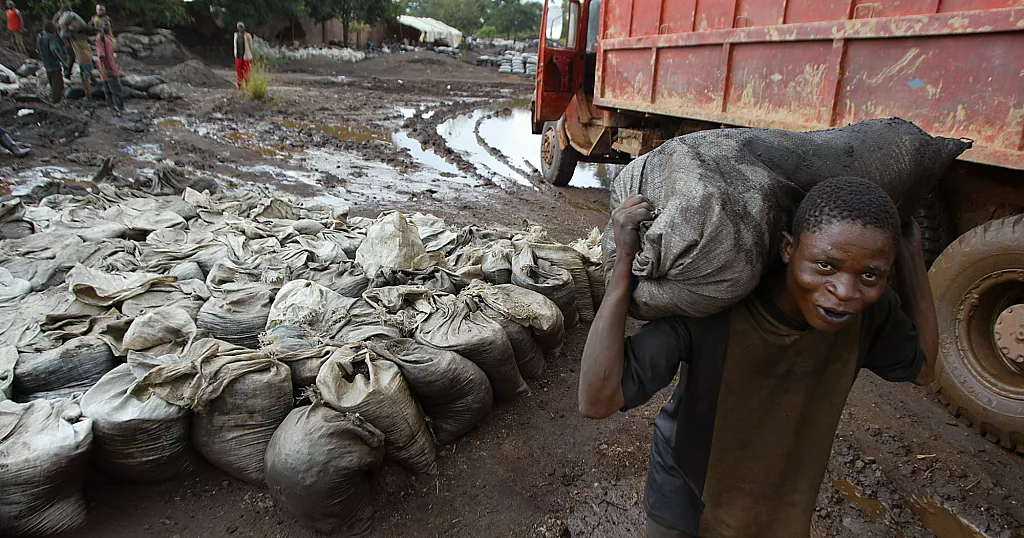

The Democratic Republic of Congo has extended for six months its ban on trading minerals from 38 artisanal mining sites in North and South Kivu, citing ongoing concerns that illegal supply chains continue to fund armed groups in the east. The decision, announced by the Ministry of Mines on Sunday and signed by Mines Minister Louis Watum Kabamba on 3 November, underscores the persistent challenges of managing mineral wealth in one of the world’s most resource-rich but conflict-prone regions.
The sites affected by the ban produce coltan, cassiterite, and wolframite, which are key sources of tin, tantalum, and tungsten, respectively. These minerals are critical inputs for the global electronics, automotive, and aerospace industries, including components in smartphones, laptops, and high-tech equipment. The ban, therefore, has immediate implications for international supply chains, compelling multinational companies and intermediaries to verify sourcing and ensure compliance with ethical and legal requirements.
The eastern provinces of North and South Kivu have long been destabilised by armed groups, including the Rwanda-backed M23 rebel movement. The region remains highly volatile, with ongoing fighting this year having killed thousands and displaced hundreds of thousands of people. Armed groups exploit the mining of coltan, cassiterite, and gold to fund operations, perpetuating cycles of violence and undermining state authority. U.N. experts and human rights organisations have repeatedly highlighted the links between illicit mineral trade and the conflict economy in eastern Congo.
The ministry’s order prohibits sourcing and export from the specified sites and provides for independent audits by the government, the United Nations, or the Organisation for Economic Co-operation and Development. The extension comes amid legal scrutiny in Europe, where Congo filed criminal complaints in France and Belgium against technology firms, including Apple, alleging that their supply chains included minerals sourced from conflict-affected zones. Apple has denied the claims, stating that it instructed suppliers to cease purchases of minerals from the Congo and Rwanda. Similar allegations have been raised in U.S. courts against other major companies, including Google, Tesla, Dell, and Microsoft, although many of these cases were dismissed.
Economic analysts emphasise that while the ban is intended to curb illicit financing of armed groups, it also places pressure on legal mining operations and the wider economy. Artisanal miners, who rely on the sale of these minerals for income, may face economic hardship during the suspension period. Meanwhile, global manufacturers must navigate increased due diligence requirements and potential supply shortages, which could affect production timelines and costs. The ban highlights the complex interplay between resource governance, conflict prevention, and global trade obligations.
For the Congolese government, enforcing the ban is both a security and a reputational issue. Effective monitoring of mining sites and supply chains is essential to demonstrate that the state is taking tangible steps to address the conflict economy and promote responsible sourcing. International observers and trade partners will closely watch the implementation of the ban, particularly regarding transparency in auditing and reporting.
The six-month extension signals that, despite ongoing international pressure, the risks posed by conflict minerals in eastern Congo remain acute. It also serves as a reminder to global companies of their responsibility to ensure that minerals entering their supply chains are free from links to armed groups. The challenge for Congo is to balance security, economic stability, and international trade obligations, while seeking long-term solutions that empower communities, reduce violence, and promote sustainable mining practices.
As the ban takes effect, stakeholders at all levels, from miners and local authorities to multinational corporations and governments, face the dual challenge of maintaining economic activity while preventing the financing of armed groups. The extended suspension underscores the need for coordinated efforts to stabilise eastern Congo, reform the mining sector, and ensure that the country’s mineral wealth contributes to development rather than conflict.