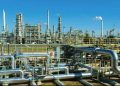

Nigeria is facing a growing risk of decline in its oil output unless it secures new discoveries to bolster aging fields and stalled exploration efforts. According to industry analysts and the Nigerian Association of Petroleum Explorationists (NAPE), the nation’s oil production could fall sharply without fresh upstream activity.
“Nigeria is at risk of long-term disruption to oil and gas supplies, power generation, a collapse of industries and significant loss of revenue due to continued reduction in hydrocarbon exploration activities,” warned NAPE.
The main concern stems from several challenges: exploration in frontier basins is stalling, investment is drying up and investor appetite remains muted. According to the regulator, crude oil reserves dropped by around 50 billion barrels over 14 years, pointing to a shrinking geological upside and highlighting exploration shortfalls.
For a country whose economy remains heavily tied to oil, these trends carry serious implications. Globally the push toward decarbonisation looms large, and a recent report warns that demand for Nigerian oil exports could face steep decline, underlining the urgent need to diversify.
From a fiscal-economic perspective, the stakes are clear: oil still forms the backbone of government revenue and foreign exchange inflows. A drop in production or output will hit public finances hard, meaning less cash for infrastructure, social programmes and servicing the national debt. For example, when output slips below expectations each barrel lost translates into real pressure on Nigeria’s budget and currency reserves.
In short: without new, economically viable oil discoveries and a revitalised upstream regime, Nigeria risks not only reduced oil production but also wider economic vulnerability.
With oil accounting for the bulk of Nigeria’s export earnings and state revenue, a production shortfall could widen fiscal deficits and reduce foreign exchange reserves. That may force the government to borrow more, raise taxes or cut spending, undermining growth and increasing macro-economic volatility in an economy already wrestling with insufficient diversification.