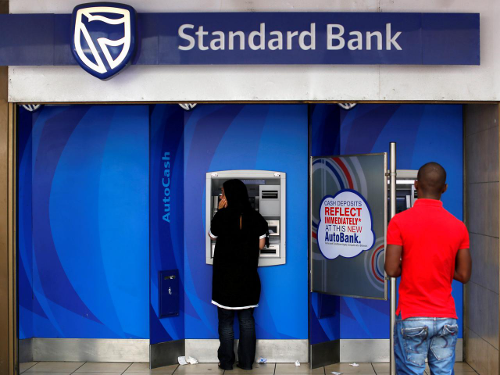

Standard Bank Group, Africa’s largest lender by assets, is expanding its continental footprint with the launch of a new representative office in Cairo on November 12. The move is part of the bank’s long-term ambition to connect African economies more seamlessly to global capital markets and to strengthen trade corridors linking Egypt, the Gulf, and Sub-Saharan Africa.
Led by chief executive Sim Tshabalala, the South African banking giant says the Cairo office will act as a bridge for companies seeking to move goods, services, and investments across the continent. For local businesses and investors, this development could mean easier access to financing and smoother cross-border transactions, ultimately supporting economic activity that filters down to households.
Building bridges between Africa and global capital
Standard Bank, which has been building out its African network for more than two decades, sees Egypt as a natural gateway between North Africa, the Middle East, and the rest of the continent. The Cairo office will complement the group’s long-standing hub in Dubai’s financial district, providing clients with better access to liquidity from the Gulf Cooperation Council and Asian markets.
The bank applied for a full banking licence in Egypt in April 2024. Once approved, it will allow Standard Bank to expand from advisory services into deposit-taking, lending, and corporate finance, a shift that could give Egyptian and African companies more local options for funding, at a time when global borrowing costs remain high.
The institution says its model, which blends retail, corporate, and investment banking, is designed to benefit from the growing inflow of Gulf and Chinese capital into African infrastructure, energy, and consumer sectors.
Economic implications for the continent
Analysts say the Cairo expansion could spur more trade and investment between North Africa and Sub-Saharan regions, helping small businesses tap into wider markets. With inflation still squeezing consumers across much of Africa, stronger financial linkages could stabilise currencies and improve access to affordable credit, both critical for job creation and household purchasing power.
As of June 2025, Standard Bank reported total assets of $195.6 billion and served more than 19 million customers. Its largest shareholder, the Industrial and Commercial Bank of China, holds a 19.7 percent stake,a reminder of the growing role Chinese investment plays in shaping Africa’s banking and infrastructure landscape.
Tshabalala has positioned the group as a key driver of Africa’s economic transformation. “Our goal is to enable growth that is sustainable, inclusive, and deeply rooted in African enterprise,” he said in a recent note to investors.