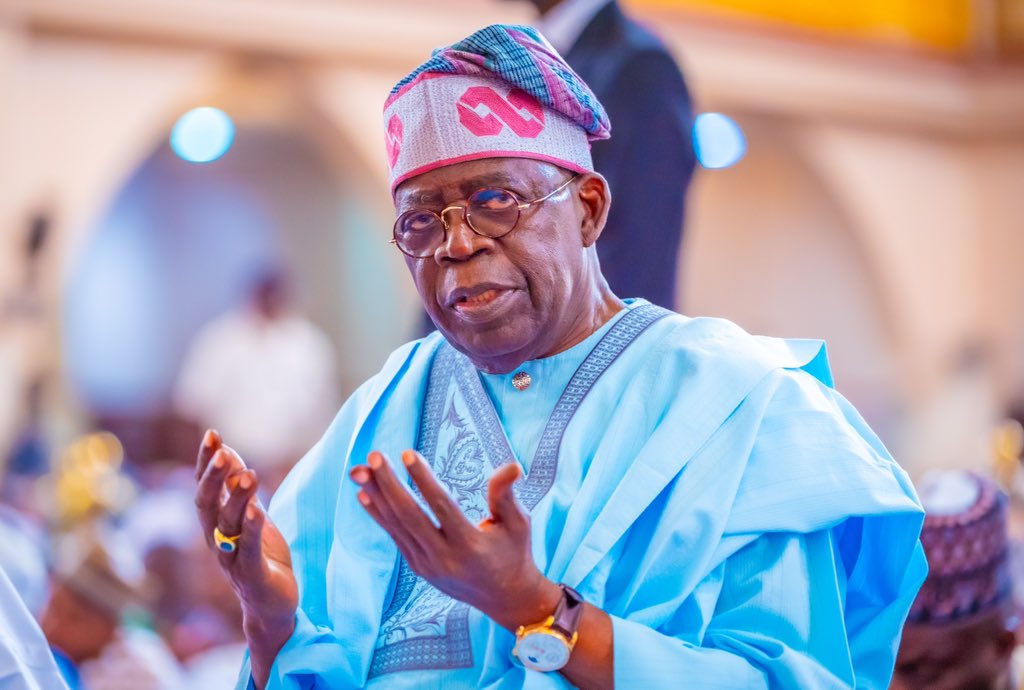

President Bola Tinubu will present Nigeria’s 2027 budget proposal to the National Assembly before the end of 2026, the Minister of State for Budget and Economic Planning, Dr Doris Uzoka-Anite, has said.
According to a report published by The PUNCH on October 28, 2026, the minister disclosed this while briefing State House correspondents after the Federal Executive Council meeting presided over by Tinubu at the Presidential Villa in Abuja.
“We are working on the budget for 2027, and the intention is to present it before the end of the year,” she said.
The announcement comes after the Federal Government missed its earlier target of submitting the spending proposal to lawmakers in September, a deadline set as part of efforts to improve Nigeria’s budget cycle and reduce delays in implementation.
The Budget Office of the Federation had outlined the September target in its 2027 personnel costs budget call circular dated September 4, 2026. The document stated that the draft 2027–2029 Medium-Term Expenditure Framework and Fiscal Strategy Paper had been concluded in July to facilitate the early presentation of the budget.
The Budget Office subsequently fixed September 18 as the deadline for ministries, departments and agencies (MDAs) to submit their personnel cost proposals for the 2027 fiscal year.
The latest timeline means the government must complete the remaining preparation and submission processes before the end of December, leaving lawmakers to consider the proposal alongside their other legislative responsibilities.
Nigeria has frequently presented its annual budgets towards the end of the preceding year. Tinubu presented the 2024 budget on November 29, 2023, the 2025 budget on December 18, 2024, and the 2026 budget on December 19, 2025.
The timing of the 2027 budget will be significant for fiscal planning, particularly as the government continues to face challenges with the implementation of previous appropriations and overlapping budget cycles.
Beyond the presentation timetable, the Federal Government has introduced stricter controls on agencies seeking funding in the 2027 budget.
Under the new guidelines, MDAs must submit their establishment Acts alongside their budget proposals to demonstrate their legal status. The Budget Office warned that proposals could be rejected if the required documents were not provided.
The directive followed controversy surrounding the Presidential Foreign Intervention Promotion Council, which was allocated about ₦1.3 billion in the 2026 budget despite questions about its legal existence.
The government has also tightened personnel expenditure controls. Under the new requirements, personnel cost provisions will not be made for federal employees who are not captured on the Integrated Personnel and Payroll Information System or enrolled on the Government Integrated Financial Management Information System, unless specifically exempted by the appropriate authority.
The measures are designed to strengthen payroll verification and prevent unauthorised personnel spending.
The budget proposal will set out the Federal Government’s spending priorities, projected revenue and financing requirements for 2027. Its eventual impact will depend not only on when it reaches the National Assembly but also on legislative scrutiny and the implementation of approved projects and programmes.